
Filter
3191
Text search:
national
aid
workers
Featured
357
943
Language
3090
81
45
35
32
15
14
6
6
5
5
5
4
4
4
4
4
3
3
3
3
2
2
2
2
2
2
2
2
2
2
2
1
1
1
1
1
1
1
1
1
1
1
1
1
Document type
1787
474
381
216
137
83
51
50
6
2
2
1
Countries
154
131
109
106
94
80
78
77
71
67
67
66
57
52
49
49
47
37
37
37
36
35
35
34
32
30
29
27
25
24
22
21
19
18
18
17
16
15
14
13
13
13
12
11
11
10
10
10
10
9
9
8
8
8
7
7
7
6
6
6
6
6
5
5
5
5
5
4
4
4
4
4
4
4
3
3
3
3
3
3
3
3
3
2
2
2
2
2
2
2
2
2
2
1
1
1
1
1
1
1
1
1
1
1
1
1
1
1
1
1
1
1
1
1
1
1
1
1
1
1
1
1
1
1
1
1
1
1
Authors & Publishers
373
118
93
72
65
64
60
57
44
35
25
23
21
20
19
18
18
17
17
16
16
14
14
13
13
13
12
12
12
12
11
11
11
11
10
10
10
10
9
9
9
9
9
9
8
8
8
8
8
8
8
8
8
8
8
7
7
7
7
7
7
7
7
6
6
6
6
6
6
6
6
6
6
6
6
5
5
5
5
5
5
5
5
5
5
5
5
5
5
5
5
5
5
5
5
5
5
5
5
5
5
5
4
4
4
4
4
4
4
4
4
4
4
4
4
4
4
4
4
4
4
4
4
4
4
4
4
4
4
4
4
4
4
4
4
4
4
4
4
4
4
4
4
4
4
4
4
4
4
4
4
4
3
3
3
3
3
3
3
3
3
3
3
3
3
3
3
3
3
3
3
3
3
3
3
3
3
3
3
3
3
3
3
3
3
3
3
3
3
3
3
3
3
3
3
3
3
3
3
3
3
3
3
3
3
3
3
3
3
3
3
3
3
3
3
2
2
2
2
2
2
2
2
2
2
2
2
2
2
2
2
2
2
2
2
2
2
2
2
2
2
2
2
2
2
2
2
2
2
2
2
2
2
2
2
2
2
2
2
2
2
2
2
2
2
2
2
2
2
2
2
2
2
2
2
2
2
2
2
2
2
2
2
2
2
2
2
2
2
2
2
2
2
2
2
2
2
2
2
2
2
2
2
2
2
2
2
2
2
2
2
2
2
2
2
2
2
2
2
2
2
2
2
2
2
2
2
2
2
2
2
2
2
2
2
2
2
2
2
2
2
2
2
2
2
2
2
2
2
2
2
2
2
2
2
2
2
2
2
2
2
2
2
2
2
2
2
2
2
2
2
2
2
2
2
2
2
2
2
2
2
2
2
2
2
2
2
2
2
2
2
2
2
2
2
2
2
2
2
2
2
2
2
2
2
2
2
1
1
1
1
1
1
1
1
1
1
1
1
1
1
1
1
1
1
1
1
1
1
1
1
1
1
1
1
1
1
1
1
1
1
1
1
1
1
1
1
1
1
1
1
1
1
1
1
1
1
1
1
1
1
1
1
1
1
1
1
1
1
1
1
1
1
1
1
1
1
1
1
1
1
1
1
1
1
1
1
1
1
1
1
1
1
1
1
1
1
1
1
1
1
1
1
1
1
1
1
1
1
1
1
1
1
1
1
1
1
1
1
1
1
1
1
1
1
1
1
1
1
1
1
1
1
1
1
1
1
1
1
1
1
1
1
1
1
1
1
1
1
1
1
1
1
1
1
1
1
1
1
1
1
1
1
1
1
1
1
1
1
1
1
1
1
1
1
1
1
1
1
1
1
1
1
1
1
1
1
1
1
1
1
1
1
1
1
1
1
1
1
1
1
1
1
1
1
1
1
1
1
1
1
1
1
1
1
1
1
1
1
1
1
1
1
1
1
1
1
1
1
1
1
1
1
1
1
1
1
1
1
1
1
1
1
1
1
1
1
1
1
1
1
1
1
1
1
1
1
1
1
1
1
1
1
1
1
1
1
1
1
1
1
1
1
1
1
1
1
1
1
1
1
1
1
1
1
1
1
1
1
1
1
1
1
1
1
1
1
1
1
1
1
1
1
1
1
1
1
1
1
1
1
1
1
1
1
1
1
1
1
1
1
1
1
1
1
1
1
1
1
1
1
1
1
1
1
1
1
1
1
1
1
1
1
1
1
1
1
1
1
1
1
1
1
1
1
1
1
1
1
1
1
1
1
1
1
1
1
1
1
1
1
1
1
1
1
1
1
1
1
1
1
1
1
1
1
1
1
1
1
1
1
1
1
1
1
1
1
1
1
1
1
1
1
1
1
1
1
1
1
1
1
1
1
1
1
1
1
1
1
1
1
1
1
1
1
1
1
1
1
1
1
1
1
1
1
1
1
1
1
1
1
1
1
1
1
1
1
1
1
1
1
1
1
1
1
1
1
1
1
1
1
1
1
1
1
1
1
1
1
1
1
1
1
1
1
1
1
1
1
1
1
1
1
1
1
1
1
1
1
1
1
1
1
1
1
1
1
1
1
1
1
1
1
1
1
1
1
1
1
1
1
1
1
1
1
1
1
1
1
1
1
1
1
1
1
1
1
1
1
1
1
1
1
1
1
1
1
1
1
1
1
1
1
1
1
1
1
1
1
1
1
1
1
1
1
1
1
1
1
1
1
1
1
1
1
1
1
1
1
1
1
1
1
1
1
1
1
1
1
1
1
1
1
1
1
1
1
1
1
1
1
1
1
1
1
1
1
1
1
1
1
1
1
1
1
1
1
1
1
1
1
1
1
1
1
1
1
1
1
1
1
1
1
1
1
1
1
1
1
1
1
1
1
1
1
1
1
1
1
1
1
1
1
1
1
1
1
1
1
1
1
1
1
1
1
1
1
1
1
1
1
1
1
1
1
1
1
1
1
1
1
1
1
1
1
1
1
1
1
1
1
1
1
1
1
1
1
1
1
1
1
1
1
1
1
1
1
1
1
1
1
1
1
1
1
1
1
1
1
1
1
1
1
1
1
1
1
1
1
1
1
1
1
1
1
1
1
1
1
1
1
1
1
1
1
1
1
1
1
1
1
1
1
1
1
1
1
1
1
1
1
1
1
1
1
1
1
1
1
1
1
1
1
1
1
1
1
1
1
1
1
1
1
1
1
1
1
1
1
1
1
1
1
1
1
1
1
1
1
1
1
1
1
1
1
1
1
1
1
1
1
1
1
1
1
1
1
1
1
1
1
1
1
1
1
1
1
1
1
1
1
1
1
1
1
1
1
1
1
1
1
1
1
1
1
1
1
1
1
1
1
1
1
1
1
1
1
1
1
1
1
1
1
1
1
1
1
1
1
1
1
1
1
1
1
1
1
1
1
1
1
1
1
1
1
1
1
1
1
1
1
1
1
1
1
1
1
1
1
1
1
1
1
1
1
1
1
1
1
1
1
1
1
1
1
1
1
1
1
1
1
1
1
1
1
1
1
1
1
1
1
1
1
1
1
1
1
1
1
1
1
1
1
1
1
1
1
1
1
1
1
1
1
1
1
1
1
1
1
1
1
1
1
1
1
1
1
1
1
1
1
1
1
1
1
1
1
1
1
1
1
1
1
1
1
1
1
1
1
1
1
1
1
1
1
1
1
1
1
1
1
1
1
1
1
1
1
1
1
1
1
1
1
1
1
1
1
1
1
1
1
1
1
1
1
1
1
1
1
1
1
1
1
1
1
1
1
1
1
1
1
1
1
1
1
1
1
1
1
1
1
1
1
1
1
1
1
1
1
1
1
1
1
1
1
1
1
1
1
1
1
1
1
1
1
1
1
1
1
1
1
1
1
1
1
1
1
1
1
1
1
1
1
1
1
1
1
1
1
1
1
1
1
1
1
1
1
1
1
1
1
1
1
1
1
1
1
1
1
1
1
1
1
1
1
1
1
1
1
1
1
1
1
1
1
1
1
1
1
1
1
1
1
1
1
1
1
1
1
1
1
1
1
1
1
1
1
1
1
1
1
1
1
1
1
1
1
1
1
1
1
1
1
1
1
1
1
1
1
1
1
1
1
1
1
1
1
1
1
1
1
1
1
1
1
1
1
1
1
1
1
1
1
1
1
1
1
1
1
1
1
1
1
1
1
1
1
1
1
1
1
1
1
1
1
1
1
1
1
1
1
1
1
1
1
1
1
1
1
1
1
1
1
1
1
1
1
1
1
1
1
1
1
1
1
1
1
1
1
1
1
1
1
1
1
1
1
1
1
1
1
1
1
1
1
1
1
1
1
1
1
1
1
1
1
1
1
1
1
1
1
1
1
1
1
1
1
1
1
1
1
1
1
1
1
1
1
1
1
1
1
1
1
1
1
1
1
1
1
1
1
1
1
1
1
1
1
1
1
1
1
1
1
1
1
1
1
1
1
1
1
1
1
1
1
1
1
1
1
1
1
1
1
1
1
1
1
1
1
1
1
1
1
1
1
1
1
1
1
1
1
1
1
1
1
1
1
1
1
1
1
1
1
1
1
1
1
1
1
1
1
1
1
1
1
1
1
1
1
1
1
1
1
1
1
1
1
1
1
1
1
1
1
1
1
1
1
1
1
1
1
1
1
1
1
1
1
1
1
1
1
1
1
1
1
1
1
1
1
1
1
1
1
1
1
1
1
1
1
1
1
1
1
1
1
1
1
1
1
1
1
1
1
1
1
1
1
1
1
1
1
1
1
1
1
1
1
1
1
1
1
1
1
1
1
1
1
1
1
1
1
1
1
1
1
1
1
1
1
1
1
1
1
1
1
1
1
1
1
1
1
1
1
1
1
1
1
1
1
1
1
1
1
1
1
1
1
1
1
1
1
1
1
1
1
1
1
1
1
1
1
1
1
1
1
1
1
1
1
1
1
1
1
1
1
1
1
1
1
1
1
1
1
1
1
1
1
1
1
1
1
1
1
1
1
1
1
1
1
1
1
1
1
1
1
1
1
1
1
1
1
1
1
1
1
1
1
1
1
1
1
1
1
1
1
1
1
1
1
1
1
1
1
1
1
1
1
1
1
1
1
1
1
1
1
1
1
1
1
1
1
1
1
1
1
1
1
1
1
1
1
1
1
1
1
1
1
1
1
1
1
1
1
1
1
1
1
1
1
1
1
1
1
1
1
1
1
1
1
1
1
1
1
1
1
1
1
1
1
1
1
1
1
1
1
1
1
1
1
1
1
1
1
1
1
1
1
1
1
1
1
1
1
1
1
1
1
1
1
1
1
1
1
1
1
1
1
1
1
1
1
1
1
1
1
1
1
1
1
1
1
1
1
1
1
1
1
1
1
1
1
1
1
1
1
1
1
1
1
1
1
1
1
1
1
1
1
1
1
1
1
1
1
1
1
1
1
1
1
1
1
1
1
1
1
1
1
1
1
1
1
1
1
1
1
1
1
1
1
1
1
1
1
1
1
1
1
1
1
1
1
1
1
1
1
1
1
1
1
1
1
1
1
1
1
1
1
1
1
1
1
1
1
1
1
1
1
1
1
1
1
1
1
1
1
1
1
1
1
1
1
1
1
1
1
1
1
1
1
1
1
1
1
1
1
1
1
1
1
1
1
1
1
1
1
1
1
1
1
1
1
1
1
1
1
1
1
1
1
1
1
1
1
1
1
1
1
1
1
1
1
1
1
1
1
1
1
1
1
1
1
1
1
1
1
1
1
1
1
1
1
1
1
1
1
1
1
1
1
1
1
1
1
1
1
1
1
1
1
1
1
1
1
1
1
1
1
1
1
1
1
1
1
1
1
1
1
1
1
1
1
1
1
1
1
1
1
1
1
1
1
1
1
1
1
1
1
1
1
1
1
1
1
1
1
1
1
1
1
1
1
1
1
1
1
1
1
1
1
1
1
1
1
1
1
1
1
1
1
1
1
1
1
1
1
1
1
1
1
1
1
1
1
1
1
1
1
1
1
1
1
1
1
1
1
1
1
1
1
1
1
1
1
1
1
1
1
1
1
1
1
1
1
1
1
1
1
1
1
1
1
1
1
1
1
1
1
1
1
1
1
1
1
1
1
1
1
1
1
1
1
1
1
1
1
1
1
1
1
1
1
1
1
1
1
1
1
1
1
1
1
1
1
1
1
1
1
1
1
1
1
1
1
1
1
1
1
1
1
1
1
1
1
1
1
1
1
1
1
1
1
1
1
1
1
1
1
1
1
1
1
1
1
1
1
1
1
1
1
1
1
1
1
1
1
1
1
1
1
1
1
1
1
1
1
1
1
1
1
1
1
1
1
1
1
1
1
1
1
1
1
1
1
1
1
1
1
1
1
1
1
1
1
1
1
1
1
1
1
1
1
1
1
1
1
1
1
1
1
1
1
1
1
1
1
1
1
1
1
1
1
1
1
1
1
1
1
1
1
1
1
1
1
1
1
1
1
1
1
1
1
1
1
Publication Years
930
1931
305
24
1
Category
1276
349
186
162
159
83
35
1
Toolboxes
271
260
213
148
137
106
96
90
85
76
73
68
54
53
51
50
37
36
34
33
25
23
17
14
13
2
1

Chapter 2 in "Latest Findings in Intellectual and Developmental Disabilities Research" Edited by Üner Tan, ISBN 978-953-307-865-6, 404 pages, Publisher: InTech, Chapters published February 15, 2012 under CC BY 3.0 license | Intellectual and Developmental Disabilities presents reports on a wide rang
...
e of areas in the field of neurological and intellectual disability, including habitual human quadrupedal locomotion with associated cognitive disabilities, Fragile X syndrome, autism spectrum disorders, Down syndrome, and intellectual developmental disability among children in an African setting. Studies are presented from researchers around the world, looking at aspects as wide-ranging as the genetics behind the conditions to new and innovative therapeutic approaches. (All chapters available online: https://www.intechopen.com/books/latest-findings-in-intellectual-and-developmental-disabilities-research)
more
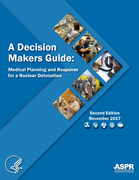
A Decision Makers Guide: Medical Planning and Response for a Nuclear Detonation
U.S. Department of Health & Human Services
(2017)
C1
Successful detonation of an improvised nuclear device (IND) would be a catastrophic event, causing an unprecedented number of injuries and lives lost, as well as economic, political, and social disruption. However, an effective medical response and an infrastructure prepared to protect itself from f
...
allout could save tens of thousands of lives. Since 2001, all levels of government, academic institutions, and professional organizations have done significant work to enhance our ability to prepare for and respond to a nuclear detonation. The following manual is intended to simplify and translate the necessary protective actions and medical response modalities in order to make them more accessible and easier to translate into practice. The approach of this manual is to provide a common baseline application for various allied response disciplines (to include senior operational responders, emergency managers, public health advisors, and municipal, State, and Federal executives and elected officials). This manual will enhance mutual understanding of the basics of nuclear response.
more

The risks of the use of nuclear, radiological, biological or chemical (NRBC) weapons are heterogeneous. Each risk has its own implications for developing and deploying any capacity to assist victims of an NRBC event and, in parallel, for the health and security of the people bringing this assistance
...
. At an international level, there are no plans for assisting the victims of an NRBC event which are both adequate and safe. Recognizing
the realities of the contexts associated with each risk throws up numerous challenges; such recognition is also a prerequisite for addressing these challenges. The realities that have to be considered relate to:
1. developing, acquiring, training for and planning an NRBC response capacity;
2. deploying a response capacity in an NRBC event;
3. the mandates and policies of international organizations pertaining to NRBC events. The challenges that will pose the greatest difficulty for a humanitarian organization are those for which the solutions are ‘non-buyable’ and which involve making extremely difficult decisions. Attempting to assist victims of an NRBC event without a reality-based approach might generate ineffective and unacceptably dangerous situations for those involved.
more
Guidance | Preparedness - Response and early recovery - Recovery and reconstruction

High levels of storage iron may increase malaria susceptibility. This risk has not been investigated in semi-immune adolescents. We investigated whether baseline iron status of nonpregnant adolescent girls living in a high malaria transmission area in Burkina Faso affected malaria risk during the fo
...
llowing rainy season. For this prospective study, we analysed data from an interim safety survey, conducted six months into a randomised iron supplementation trial. We used logistic regression to model the risk of P. falciparum infection prevalence by microscopy, the pre-specified interim safety outcome, in relation to iron status, nutritional indicators and menarche assessed at recruitment.
more

The potential for terrorist use of chemical agents is a noted concern highlighted by the Tokyo sarin gas attacks of 1995. The events of September 11, 2001, increased congressional attention towards reducing the vulnerability of the United States to such unconventional attacks. The
possibility that
...
terrorist groups might obtain insecure chemical weapons led to increased scrutiny of declared Libyan chemical weapon stockpiles following the fall of the Qadhafi regime. Experts have expressed similar concerns regarding the security and use of Syrian chemical weapons,
reportedly including stocks of nerve (sarin, VX) and blister (mustard gas) agents.
more
Frameworks for Victim Assistance: Monitor key findings and observations
International Campaign to Ban Landmines
(2013)
C3
For close to 15 years, the Monitor has tracked the impact of victim assistance on the lives of victims of landmines, cluster munitions,
and other explosive remnants of war (hereafter “mine/ERW victims”). Over this time, the international communi
...
ty has strengthened its resolve to promote the rights and address the needs of victims through programs and services that are accessible and adequate in quantity, quality, availability, and consistent with the high standards set by human rights as well as other international humanitarian law.
more

Cancer is an emerging public health problem in sub-Saharan Africa due to population growth, ageing and westernisation of lifestyles. In this piece, we use data from Mozambique over a 50-year period to illustrate cancer epidemiological trends in low-income and middle-income countries to hypothesise
...
potential circumstances and factors that could explain changes in cancer burden and to discuss surveillance weaknesses and potential improvements. This epidemiological transition deserves increasing policy attention.
more
The purpose of the WHO Manual for the Public Health Management of Chemical Incidents is to provide a comprehensive overview of the principles and roles of public health in the management of chemical incidents and emergencies. While this information is provided for each phase of the emergency cycle,
...
including prevention, planning and preparedness, detection and alert, response and recovery, it is recognized that the management of chemical incidents and emergencies requires a multi-disciplinary and multi-sectoral approach and that the health sector may play an influencing, complementary or a leadership role at various stages of the management process. The target audience includes public health and environmental professionals, as well as any other person involved in the management of chemical incidents.
WHO and all those involved in the development of the publication hope that the publication will have wide application, especially in developing countries and countries with economies in transition, and that in the future the health sector will be better prepared to acknowledge and fulfill its roles and responsibilities in the management of chemical incidents and emergencies, thereby contributing to the prevention and mitigation of their health consequences.
The publication is also available in French: http://apps.who.int/iris/bitstream/handle/10665/246117/9789242598148-fre.pdf?sequence=1 and in Spanish: http://apps.who.int/iris/bitstream/handle/10665/246118/9789243598147-spa.pdf?sequence=1
more
Background paper prepared for the Education for All Global Monitoring Report 2012
Reports from Kenya, Sierra Leone, China and Sri Lanka
WHO-SEARO in partnership with WHOCC AIIMS, UNICEF, UNFPA and USAID has prepared a training package for building capacity of healthcare teams in health facilities for continous quality improvement of maternal and newborn healthcare. The focus is on the care of mothers and newborns at the time of chil
...
d birth since a large proportion of maternal deaths, newborn deaths and stillbirths happen around that time.
more
Improving the quality of care for mothers and newborns in health facilities: learner's manual. Version 02.
World Health Organization (WHO), Regional Office for South-East Asia
WHOCC AIIMS, UNICEF, UNFPA and USAID
(2017)
C_WHO
A training package for building capacity of healthcare teams in health facilities for continous quality improvement of maternal and newborn healthcare. The focus is on the care of mothers and newborns at the time of child birth since a large proportion of maternal deaths, newborn deaths and stillbir
...
ths happen around that time.
The 4-Step POCQI (Point of care Quality Improvement) package includes Coaching manual and Learner manual that present a demystified and simple model of quality improvement at the level of health facilities using local data to identify quality gaps, analyse underlying causes and improve health care practices in their own specific context without much additional resources.
more
Four simple steps to practice quality improvement at health facility level

The Second Economic Development and Poverty Reduction Strategy (EDPRS 2) is a launch into the home straight of our Vision 2020. We are faced with new challenges of ensuring greater self-reliance and developing global competitiveness. Conscious of these challenges, we forge ahead knowing that by work
...
ing together, we always overcome. The EDPRS 2 period is the time when our private sector is expected to take the driving seat in economic growth and poverty reduction. Through this strategy we will focus government efforts on transforming the economy, the private sector and alleviating constraints to growth of investment. We will develop the appropriate skills and competencies to allow our people particularly the youth to become more productive and competitive to support our ambitions. We will also strengthen the platform for communities to engage decisively and to continue to develop home grown solutions that have been the bedrock of our success. These are fundamental principles as we work to improve the lives of all Rwandans in the face of an uncertain global economic environment.
more
