
Filter
2749
Text search:
adolescent
development
Featured
269
781
Language
2559
97
87
62
35
23
11
10
5
4
4
3
3
3
3
2
2
2
2
2
2
2
2
1
1
1
1
1
1
1
1
1
1
1
1
1
1
1
1
1
1
Document type
1661
407
340
114
109
46
43
13
7
2
1
1
1
Countries
109
103
91
69
67
63
62
57
55
55
55
50
50
47
40
38
33
29
28
25
24
23
23
20
19
19
19
18
17
17
16
15
14
14
13
13
13
11
10
10
10
9
9
9
9
8
8
8
8
8
7
7
7
5
5
5
5
4
4
4
4
4
4
4
3
3
3
3
3
3
2
2
2
2
2
2
2
2
2
2
2
2
2
2
2
2
1
1
1
1
1
1
1
1
1
1
1
1
1
1
1
1
1
1
1
1
1
1
1
1
1
1
Authors & Publishers
348
135
123
106
100
77
65
56
54
54
43
27
25
22
19
18
18
16
16
14
13
13
13
12
12
11
11
10
10
10
9
9
9
9
9
8
8
8
8
8
7
7
7
7
6
6
6
6
6
6
6
6
5
5
5
5
5
5
5
5
5
5
5
5
5
5
5
5
5
5
5
5
5
5
5
5
5
5
5
5
4
4
4
4
4
4
4
4
4
4
4
4
4
4
4
4
4
4
4
4
4
4
4
4
4
4
4
4
4
4
4
4
4
4
3
3
3
3
3
3
3
3
3
3
3
3
3
3
3
3
3
3
3
3
3
3
3
3
3
3
3
3
3
3
3
3
3
3
3
3
3
3
3
3
3
3
3
3
3
3
3
3
3
3
3
3
3
3
3
3
3
3
3
3
3
3
3
3
3
3
3
3
3
3
3
3
3
3
3
3
3
2
2
2
2
2
2
2
2
2
2
2
2
2
2
2
2
2
2
2
2
2
2
2
2
2
2
2
2
2
2
2
2
2
2
2
2
2
2
2
2
2
2
2
2
2
2
2
2
2
2
2
2
2
2
2
2
2
2
2
2
2
2
2
2
2
2
2
2
2
2
2
2
2
2
2
2
2
2
2
2
2
2
2
2
2
2
2
2
2
2
2
2
2
2
2
2
2
2
2
2
2
2
2
2
2
2
2
2
2
2
2
2
2
2
2
2
2
2
2
2
2
2
2
2
2
2
2
2
2
2
2
2
2
2
2
2
2
2
2
2
2
2
2
2
2
2
2
2
2
2
2
2
2
2
2
2
2
2
2
2
2
2
2
2
2
2
2
2
2
2
2
2
2
2
2
2
2
2
2
2
2
2
2
2
2
2
2
2
2
2
2
2
2
2
2
2
2
1
1
1
1
1
1
1
1
1
1
1
1
1
1
1
1
1
1
1
1
1
1
1
1
1
1
1
1
1
1
1
1
1
1
1
1
1
1
1
1
1
1
1
1
1
1
1
1
1
1
1
1
1
1
1
1
1
1
1
1
1
1
1
1
1
1
1
1
1
1
1
1
1
1
1
1
1
1
1
1
1
1
1
1
1
1
1
1
1
1
1
1
1
1
1
1
1
1
1
1
1
1
1
1
1
1
1
1
1
1
1
1
1
1
1
1
1
1
1
1
1
1
1
1
1
1
1
1
1
1
1
1
1
1
1
1
1
1
1
1
1
1
1
1
1
1
1
1
1
1
1
1
1
1
1
1
1
1
1
1
1
1
1
1
1
1
1
1
1
1
1
1
1
1
1
1
1
1
1
1
1
1
1
1
1
1
1
1
1
1
1
1
1
1
1
1
1
1
1
1
1
1
1
1
1
1
1
1
1
1
1
1
1
1
1
1
1
1
1
1
1
1
1
1
1
1
1
1
1
1
1
1
1
1
1
1
1
1
1
1
1
1
1
1
1
1
1
1
1
1
1
1
1
1
1
1
1
1
1
1
1
1
1
1
1
1
1
1
1
1
1
1
1
1
1
1
1
1
1
1
1
1
1
1
1
1
1
1
1
1
1
1
1
1
1
1
1
1
1
1
1
1
1
1
1
1
1
1
1
1
1
1
1
1
1
1
1
1
1
1
1
1
1
1
1
1
1
1
1
1
1
1
1
1
1
1
1
1
1
1
1
1
1
1
1
1
1
1
1
1
1
1
1
1
1
1
1
1
1
1
1
1
1
1
1
1
1
1
1
1
1
1
1
1
1
1
1
1
1
1
1
1
1
1
1
1
1
1
1
1
1
1
1
1
1
1
1
1
1
1
1
1
1
1
1
1
1
1
1
1
1
1
1
1
1
1
1
1
1
1
1
1
1
1
1
1
1
1
1
1
1
1
1
1
1
1
1
1
1
1
1
1
1
1
1
1
1
1
1
1
1
1
1
1
1
1
1
1
1
1
1
1
1
1
1
1
1
1
1
1
1
1
1
1
1
1
1
1
1
1
1
1
1
1
1
1
1
1
1
1
1
1
1
1
1
1
1
1
1
1
1
1
1
1
1
1
1
1
1
1
1
1
1
1
1
1
1
1
1
1
1
1
1
1
1
1
1
1
1
1
1
1
1
1
1
1
1
1
1
1
1
1
1
1
1
1
1
1
1
1
1
1
1
1
1
1
1
1
1
1
1
1
1
1
1
1
1
1
1
1
1
1
1
1
1
1
1
1
1
1
1
1
1
1
1
1
1
1
1
1
1
1
1
1
1
1
1
1
1
1
1
1
1
1
1
1
1
1
1
1
1
1
1
1
1
1
1
1
1
1
1
1
1
1
1
1
1
1
1
1
1
1
1
1
1
1
1
1
1
1
1
1
1
1
1
1
1
1
1
1
1
1
1
1
1
1
1
1
1
1
1
1
1
1
1
1
1
1
1
1
1
1
1
1
1
1
1
1
1
1
1
1
1
1
1
1
1
1
1
1
1
1
1
1
1
1
1
1
1
1
1
1
1
1
1
1
1
1
1
1
1
1
1
1
1
1
1
1
1
1
1
1
1
1
1
1
1
1
1
1
1
1
1
1
1
1
1
1
1
1
1
1
1
1
1
1
1
1
1
1
1
1
1
1
1
1
1
1
1
1
1
1
1
1
1
1
1
1
1
1
1
1
1
1
1
1
1
1
1
1
1
1
1
1
1
1
1
1
1
1
1
1
1
1
1
1
1
1
1
1
1
1
1
1
1
1
1
1
1
1
1
1
1
1
1
1
1
1
1
1
1
1
1
1
1
1
1
1
1
1
1
1
1
1
1
1
1
1
1
1
1
1
1
1
1
1
1
1
1
1
1
1
1
1
1
1
1
1
1
1
1
1
1
1
1
1
1
1
1
1
1
1
1
1
1
1
1
1
1
1
1
1
1
1
1
1
1
1
1
1
1
1
1
1
1
1
1
1
1
1
1
1
1
1
1
1
1
1
1
1
1
1
1
1
1
1
1
1
1
1
1
1
1
1
1
1
1
1
1
1
1
1
1
1
1
1
1
1
1
1
1
1
1
1
1
1
1
1
1
1
1
1
1
1
1
1
1
1
1
1
1
1
1
1
1
1
1
1
1
1
1
1
1
1
1
1
1
1
1
1
1
1
1
1
1
1
1
1
1
1
1
1
1
1
1
1
1
1
1
1
1
1
1
1
1
1
1
1
1
1
1
1
1
1
1
1
1
1
1
1
1
1
1
1
1
1
1
1
1
1
1
1
1
1
1
1
1
1
1
1
1
1
1
1
1
1
1
1
1
1
1
1
1
1
1
1
1
1
1
1
1
1
1
1
1
1
1
1
1
1
1
1
1
1
1
1
1
1
1
1
1
1
1
1
1
1
1
1
1
1
1
1
1
1
1
1
1
1
1
1
1
1
1
1
1
1
1
1
1
1
1
1
1
1
1
1
1
1
1
1
1
1
1
1
1
1
1
1
1
1
1
1
1
1
1
1
1
1
1
1
1
1
1
1
1
1
1
1
1
1
1
1
1
1
1
1
1
1
1
1
1
1
1
1
1
1
1
1
1
1
1
1
1
1
1
1
1
1
1
1
1
1
1
1
1
1
1
1
1
1
1
1
1
1
1
1
1
1
1
1
1
1
1
1
1
1
1
1
1
1
1
1
1
1
1
1
1
1
1
1
1
1
1
1
1
1
1
1
1
1
1
1
1
1
1
1
1
1
1
1
1
1
1
1
1
1
1
1
1
1
1
1
1
1
1
1
1
1
1
1
1
1
1
1
1
1
1
1
1
1
1
1
1
1
1
1
1
1
1
1
1
1
1
1
1
1
1
1
1
1
1
1
1
1
1
1
1
1
1
1
1
1
1
1
1
1
1
1
1
1
1
1
1
1
1
1
1
1
1
1
1
1
1
1
1
1
1
1
1
1
1
1
1
1
1
1
1
1
1
1
1
1
1
1
1
1
1
1
1
1
1
1
1
1
1
1
1
1
1
1
1
1
1
1
1
1
1
1
1
1
1
1
1
1
1
1
1
1
1
1
1
1
1
1
1
1
1
1
1
1
1
1
1
1
1
1
1
1
1
1
1
1
1
1
1
1
1
1
1
1
1
1
1
1
1
1
1
1
1
1
1
1
1
1
1
1
1
1
1
1
1
1
1
1
1
1
1
1
1
1
1
1
1
1
1
1
1
1
1
1
1
1
1
1
1
1
1
1
1
1
1
1
1
1
1
1
1
1
1
1
1
1
1
1
1
1
1
1
1
1
1
1
1
1
1
1
1
1
1
1
1
1
1
1
1
1
1
1
1
1
1
1
1
1
1
1
1
1
1
1
1
1
1
1
1
1
1
1
1
1
1
1
1
1
1
1
1
1
1
1
1
1
1
1
1
1
1
1
1
1
1
1
1
1
1
1
1
1
1
1
1
1
1
1
1
1
1
1
1
1
1
1
1
1
1
1
1
1
1
1
1
1
1
1
1
1
1
1
1
1
1
1
1
1
1
1
1
1
1
1
1
1
1
1
1
1
1
1
1
1
1
1
1
1
1
1
1
1
1
1
1
1
1
1
1
1
1
1
1
1
1
1
1
1
1
1
1
1
1
1
1
1
1
1
1
1
1
1
1
1
1
1
1
1
1
1
1
1
1
1
1
1
1
1
1
1
1
1
1
1
1
1
1
1
1
1
1
1
1
1
1
1
1
1
1
1
1
1
1
1
1
1
1
1
1
1
1
1
1
1
1
1
1
1
1
1
1
1
1
1
1
1
1
1
1
1
1
1
1
1
1
1
1
1
1
1
1
1
1
1
1
1
1
1
1
1
1
1
1
1
1
1
1
1
1
1
1
1
1
1
1
1
1
1
1
1
1
1
1
1
1
1
1
1
1
1
1
1
1
1
1
1
1
1
1
1
1
1
1
1
1
1
1
1
1
1
1
1
1
1
1
1
1
1
1
1
1
1
1
1
1
1
1
1
1
1
1
1
1
1
1
1
1
1
1
1
1
1
1
1
Publication Years
748
1751
245
3
2
Category
1127
370
211
129
103
88
7
1
Toolboxes
478
190
142
84
77
76
63
56
53
49
44
30
26
24
19
15
13
11
10
10
9
6
4
3
1
1

To meet our Strategy objectives and get within reach
of the 2030 SDG 3 target related to the three diseases,
the Global Fund needs to raise US$18 billion for the
Eighth Replenishment. That sum is essential to drive the
required pace of progress in the fight against HIV, TB
and malaria, and to m
...
aintain the necessary investments
in health and community systems.
more
Rising levels of inflation, debt and macrofiscal tightening are putting expenditures on the social sectors including health under immense scrutiny. Already, there are worrying signs of reductions in social sector investments. However, even before the pandemic, evidence showed the significant returns
...
on investments in health equity and its social determinants. Emerging data and trends show that these potential returns have increased during the COVID-19 pandemic - investments in social determinants can mitigate widespread reductions in human capital and the increasing likelihood of costly syndemics, while promoting access to healthcare innovations that have thus far been inequitably distributed. Therefore, we argue that, despite immediate fiscal pressures, this is exactly the time to invest in health equity and its broader social determinants, as the returns on such investments have never been greater.
more

There has never been a more critical moment to invest in WHO, and strengthen the unique role it plays in global health. Now is the time to sustainably finance WHO and invest in a healthy return for all.

The guidelines are primarily intended for health-care professionals working in first- or second-level health-care facilities, including emergency, inpatient and outpatient services. They are also directed at policy-makers, health-care planners and programme managers, academic institutions, non-gover
...
nmental and civil society organizations to inform capacity-building, teaching and research agendas.
Web annex A provides the quantitative evidence reports, Web annex B summarizes the qualitative and economic evidence and Web annex C presents the Evidence-to-Decision frameworks.
more

The document outlines essential steps and provides guidance to countries on the adoption and deployment of c-IPTp so that it is integrated into the existing health system. It draws upon best practices and lessons learned from pilot implementation experiences in eight African countries and targets st
...
akeholders at the national level that are involved in the provision of maternal and child services, including national and local policymakers and implementers of malaria, maternal health, child health, reproductive health and community health programmes, and nongovernmental and other organizations.
more

Report of a virtual meeting 21–23 June 2022

4th edition, Reference Manual

Fragile Beginnings. The Fragile Beginnings series examines the growing body of research on the unique vulnerabilities of children: in utero and at birth, during infancy and childhood and throughout adolescence. Its purpose is to enable evidence-based advocacy and action on children’s environmental
...
health
more

A historic funding crisis is threatening to unravel decades of progress unless countries can make radical shifts to HIV programming and funding. The report highlights the impact that the sudden, large-scale funding cuts from international donors are having on countries most affected by HIV. Yet it a
...
lso showcases some inspiring examples of resilience, with countries and communities stepping up in the face of adversity to protect the gains made and drive the HIV response forward.
more

A historic funding crisis is threatening to unravel decades of progress unless countries can make radical shifts to HIV programming and funding. The report highlights the impact that the sudden, large-scale funding cuts from international donors are having on countries most affected by HIV. Yet it a
...
lso showcases some inspiring examples of resilience, with countries and communities stepping up in the face of adversity to protect the gains made and drive the HIV response forward.
more

Offering additional pre-exposure prophylaxis (PrEP) choices has the potential to increase uptake and effective use of PrEP, and of HIV prevention overall, as it allows people to choose a method that they prefer.
In this guideline, WHO recommends an offering long-acting injectable lenacapavir (LEN
...
) as an additional HIV prevention choice, as part of combination HIV prevention approaches. LEN, administered twice a year as PrEP, has been shown to be highly effective at reducing the risk of HIV acquisition. In this guideline, WHO also recommends using HIV rapid diagnostic tests (RDTs) for individuals initiating or continuing long-acting injectable PrEP, such as LEN and long acting injectable cabotegravir (CAB-LA). Flexible HIV testing approaches are essential for ensuring that testing does not become a barrier to accessing or continuing PrEP, including long-acting injectable options.
more

Guidelines on lenacapavir for HIV prevention and testing strategies for long-acting injectable pre-exposure prophylaxis. Web Annex B

These guidelines promote the delivery of people-centred health services for STIs by providing evidence-based recommendations related to decentralization, integration, task sharing and digital health. These recommendations complement existing WHO guidelines for STI testing, treatment and management,
...
and other service delivery interventions, such as self-care interventions. All the recommendations will be incorporated into the forthcoming WHO consolidated guidelines on STI prevention and care.
more

This policy brief presents a summary of current evidence on vulnerability to TB and proposes interventions for equitable, person-centred, and human rights-based TB prevention and care. It aligns with WHO policies and guidance on TB prevention and screening, management of TB and comorbidities, access
...
to health care, universal health coverage, determinants of TB, TB-associated impairment and disability, social protection, as well as ethics, equity and human rights.
more

This publication provides guidance for planning country-specific programming to achieve the triple elimination of mother-to-child (or vertical) transmission of HIV, syphilis and hepatitis B virus. It is based on the WHO Triple Elimination Framework, which promotes an integrated, person-centred appro
...
ach to efficiently and holistically prevent transmission of these infections from mothers to their infants along four pillars.
more

WHO guideline on HIV service delivery
recommended
Updated guidance on the integration of diabetes, hypertension and mental health services, and interventions to support adherence to antiretroviral therapy. The guideline offers practical implementation guidance for countries and key stakeholders as well as outlining key research gaps. As life expec
...
tancy for people living with HIV continues to increase, managing noncommunicable diseases, mental health, and adherence to antiretroviral therapy is essential to sustaining treatment success, quality of life, and engagement in care. A life course approach addresses these needs from childhood through older age. Service integration supports more person-centred, coordinated care across the life course.
more
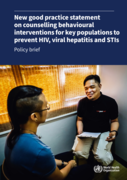
Policy Brief. Good practice statement: When planning and implementing a response for HIV, viral hepatitis and sexually transmitted diseases (STIs), policy-makers and providers should be aware that
counselling behavioural interventions aimed to change behaviours to reduce risks associated
with th
...
ese infections for key populations have not been shown to have an effect on HIV, viral
hepatitis and STIs’ incidence nor on risk behaviour such as condom use and needle/syringe
sharing. Counselling and information sharing, not aimed at changing behaviours, can be a key
component of engagement with key populations and, when provided, it should be in a nonjudgemental manner, alongside other prevention interventions and with involvement of peers
more

This guideline includes 48 updated and new evidence-based recommendations related to MNS conditions. The guideline is targeted towards non-specialized health workers at primary- or secondary-level healthcare facilities, or those working at the district level including basic inpatient and outpatient
...
services.
more

This report was developed by the WHO TB Vaccine Accelerator Finance and Access working group, co-led by WHO, Gavi and the Government of South Africa. It sets out the working group’s shared vision for equitable access to novel TB vaccines and will advance a shared understanding of the current lands
...
cape and its possible evolution in the future. It identifies six urgently needed solutions to accelerate access and financing and highlights the roles of different stakeholders to support the implementation of these solutions.
more

Abrupt reductions in international HIV assistance in 2025 have deepened existing funding shortfalls. The OECD estimates that external health assistance is projected to drop by 30–40% in 2025 compared with 2023, causing immediate and even more severe disruption to health services in low- and middle
...
-income countries.
more
