
Filter
4382
Text search:
high-risk
Featured
480
1210
Language
4247
103
80
60
44
31
28
25
12
7
6
6
6
6
4
4
4
4
3
3
3
3
3
3
2
2
2
2
2
2
2
2
2
2
2
2
2
2
2
2
1
1
1
1
1
1
1
1
1
1
1
1
1
1
1
1
1
Document type
2276
725
644
240
184
138
77
51
16
14
7
5
2
1
Countries
262
194
114
103
101
91
89
83
80
77
74
71
62
61
59
55
54
53
50
50
48
46
41
40
40
40
31
31
29
27
27
27
24
21
21
19
18
18
17
17
15
15
14
13
13
12
12
12
12
11
11
11
11
11
10
9
9
9
9
9
7
7
7
7
7
7
6
6
6
6
6
5
5
5
5
5
4
4
4
4
4
4
4
4
4
3
3
3
3
3
3
3
2
2
2
2
2
2
2
2
2
2
2
2
2
2
2
2
2
2
2
1
1
1
1
1
1
1
1
1
1
1
1
1
1
1
1
1
1
1
1
1
1
1
Authors & Publishers
675
205
128
95
93
80
78
71
45
38
34
31
30
28
25
23
22
22
21
21
21
20
19
19
19
19
19
18
18
17
16
15
15
15
14
14
14
14
14
13
13
13
13
13
13
13
13
13
13
12
12
12
12
12
12
12
11
11
11
11
11
10
10
10
10
9
9
9
9
9
9
9
9
9
8
8
8
8
8
7
7
7
7
7
7
7
7
7
7
7
7
6
6
6
6
6
6
6
6
6
6
6
6
6
6
6
6
6
6
6
6
5
5
5
5
5
5
5
5
5
5
5
5
5
5
5
5
5
5
5
5
5
5
5
5
5
5
5
5
5
5
5
5
4
4
4
4
4
4
4
4
4
4
4
4
4
4
4
4
4
4
4
4
4
4
4
4
4
4
4
4
4
4
4
4
4
4
4
4
4
4
4
4
4
4
4
4
4
4
4
4
4
4
4
4
4
4
3
3
3
3
3
3
3
3
3
3
3
3
3
3
3
3
3
3
3
3
3
3
3
3
3
3
3
3
3
3
3
3
3
3
3
3
3
3
3
3
3
3
3
3
3
3
3
3
3
3
3
3
3
3
3
3
3
3
3
3
3
3
3
3
3
3
3
3
2
2
2
2
2
2
2
2
2
2
2
2
2
2
2
2
2
2
2
2
2
2
2
2
2
2
2
2
2
2
2
2
2
2
2
2
2
2
2
2
2
2
2
2
2
2
2
2
2
2
2
2
2
2
2
2
2
2
2
2
2
2
2
2
2
2
2
2
2
2
2
2
2
2
2
2
2
2
2
2
2
2
2
2
2
2
2
2
2
2
2
2
2
2
2
2
2
2
2
2
2
2
2
2
2
2
2
2
2
2
2
2
2
2
2
2
2
2
2
2
2
2
2
2
2
2
2
2
2
2
2
2
2
2
2
2
2
2
2
2
2
2
2
2
2
2
2
2
2
2
2
2
2
2
2
2
2
2
2
2
2
2
2
2
2
2
2
2
2
2
2
2
2
2
2
2
2
2
2
2
2
2
2
2
2
2
2
2
2
2
2
2
2
2
2
2
2
2
2
2
2
2
2
2
2
2
2
2
2
2
2
2
2
2
2
2
2
2
2
2
2
1
1
1
1
1
1
1
1
1
1
1
1
1
1
1
1
1
1
1
1
1
1
1
1
1
1
1
1
1
1
1
1
1
1
1
1
1
1
1
1
1
1
1
1
1
1
1
1
1
1
1
1
1
1
1
1
1
1
1
1
1
1
1
1
1
1
1
1
1
1
1
1
1
1
1
1
1
1
1
1
1
1
1
1
1
1
1
1
1
1
1
1
1
1
1
1
1
1
1
1
1
1
1
1
1
1
1
1
1
1
1
1
1
1
1
1
1
1
1
1
1
1
1
1
1
1
1
1
1
1
1
1
1
1
1
1
1
1
1
1
1
1
1
1
1
1
1
1
1
1
1
1
1
1
1
1
1
1
1
1
1
1
1
1
1
1
1
1
1
1
1
1
1
1
1
1
1
1
1
1
1
1
1
1
1
1
1
1
1
1
1
1
1
1
1
1
1
1
1
1
1
1
1
1
1
1
1
1
1
1
1
1
1
1
1
1
1
1
1
1
1
1
1
1
1
1
1
1
1
1
1
1
1
1
1
1
1
1
1
1
1
1
1
1
1
1
1
1
1
1
1
1
1
1
1
1
1
1
1
1
1
1
1
1
1
1
1
1
1
1
1
1
1
1
1
1
1
1
1
1
1
1
1
1
1
1
1
1
1
1
1
1
1
1
1
1
1
1
1
1
1
1
1
1
1
1
1
1
1
1
1
1
1
1
1
1
1
1
1
1
1
1
1
1
1
1
1
1
1
1
1
1
1
1
1
1
1
1
1
1
1
1
1
1
1
1
1
1
1
1
1
1
1
1
1
1
1
1
1
1
1
1
1
1
1
1
1
1
1
1
1
1
1
1
1
1
1
1
1
1
1
1
1
1
1
1
1
1
1
1
1
1
1
1
1
1
1
1
1
1
1
1
1
1
1
1
1
1
1
1
1
1
1
1
1
1
1
1
1
1
1
1
1
1
1
1
1
1
1
1
1
1
1
1
1
1
1
1
1
1
1
1
1
1
1
1
1
1
1
1
1
1
1
1
1
1
1
1
1
1
1
1
1
1
1
1
1
1
1
1
1
1
1
1
1
1
1
1
1
1
1
1
1
1
1
1
1
1
1
1
1
1
1
1
1
1
1
1
1
1
1
1
1
1
1
1
1
1
1
1
1
1
1
1
1
1
1
1
1
1
1
1
1
1
1
1
1
1
1
1
1
1
1
1
1
1
1
1
1
1
1
1
1
1
1
1
1
1
1
1
1
1
1
1
1
1
1
1
1
1
1
1
1
1
1
1
1
1
1
1
1
1
1
1
1
1
1
1
1
1
1
1
1
1
1
1
1
1
1
1
1
1
1
1
1
1
1
1
1
1
1
1
1
1
1
1
1
1
1
1
1
1
1
1
1
1
1
1
1
1
1
1
1
1
1
1
1
1
1
1
1
1
1
1
1
1
1
1
1
1
1
1
1
1
1
1
1
1
1
1
1
1
1
1
1
1
1
1
1
1
1
1
1
1
1
1
1
1
1
1
1
1
1
1
1
1
1
1
1
1
1
1
1
1
1
1
1
1
1
1
1
1
1
1
1
1
1
1
1
1
1
1
1
1
1
1
1
1
1
1
1
1
1
1
1
1
1
1
1
1
1
1
1
1
1
1
1
1
1
1
1
1
1
1
1
1
1
1
1
1
1
1
1
1
1
1
1
1
1
1
1
1
1
1
1
1
1
1
1
1
1
1
1
1
1
1
1
1
1
1
1
1
1
1
1
1
1
1
1
1
1
1
1
1
1
1
1
1
1
1
1
1
1
1
1
1
1
1
1
1
1
1
1
1
1
1
1
1
1
1
1
1
1
1
1
1
1
1
1
1
1
1
1
1
1
1
1
1
1
1
1
1
1
1
1
1
1
1
1
1
1
1
1
1
1
1
1
1
1
1
1
1
1
1
1
1
1
1
1
1
1
1
1
1
1
1
1
1
1
1
1
1
1
1
1
1
1
1
1
1
1
1
1
1
1
1
1
1
1
1
1
1
1
1
1
1
1
1
1
1
1
1
1
1
1
1
1
1
1
1
1
1
1
1
1
1
1
1
1
1
1
1
1
1
1
1
1
1
1
1
1
1
1
1
1
1
1
1
1
1
1
1
1
1
1
1
1
1
1
1
1
1
1
1
1
1
1
1
1
1
1
1
1
1
1
1
1
1
1
1
1
1
1
1
1
1
1
1
1
1
1
1
1
1
1
1
1
1
1
1
1
1
1
1
1
1
1
1
1
1
1
1
1
1
1
1
1
1
1
1
1
1
1
1
1
1
1
1
1
1
1
1
1
1
1
1
1
1
1
1
1
1
1
1
1
1
1
1
1
1
1
1
1
1
1
1
1
1
1
1
1
1
1
1
1
1
1
1
1
1
1
1
1
1
1
1
1
1
1
1
1
1
1
1
1
1
1
1
1
1
1
1
1
1
1
1
1
1
1
1
1
1
1
1
1
1
1
1
1
1
1
1
1
1
1
1
1
1
1
1
1
1
1
1
1
1
1
1
1
1
1
1
1
1
1
1
1
1
1
1
1
1
1
1
1
1
1
1
1
1
1
1
1
1
1
1
1
1
1
1
1
1
1
1
1
1
1
1
1
1
1
1
1
1
1
1
1
1
1
1
1
1
1
1
1
1
1
1
1
1
1
1
1
1
1
1
1
1
1
1
1
1
1
1
1
1
1
1
1
1
1
1
1
1
1
1
1
1
1
1
1
1
1
1
1
1
1
1
1
1
1
1
1
1
1
1
1
1
1
1
1
1
1
1
1
1
1
1
1
1
1
1
1
1
1
1
1
1
1
1
1
1
1
1
1
1
1
1
1
1
1
1
1
1
1
1
1
1
1
1
1
1
1
1
1
1
1
1
1
1
1
1
1
1
1
1
1
1
1
1
1
1
1
1
1
1
1
1
1
1
1
1
1
1
1
1
1
1
1
1
1
1
1
1
1
1
1
1
1
1
1
1
1
1
1
1
1
1
1
1
1
1
1
1
1
1
1
1
1
1
1
1
1
1
1
1
1
1
1
1
1
1
1
1
1
1
1
1
1
1
1
1
1
1
1
1
1
1
1
1
1
1
1
1
1
1
1
1
1
1
1
1
1
1
1
1
1
1
1
1
1
1
1
1
1
1
1
1
1
1
1
1
1
1
1
1
1
1
1
1
1
1
1
1
1
1
1
1
1
1
1
1
1
1
1
1
1
1
1
1
1
1
1
1
1
1
1
1
1
1
1
1
1
1
1
1
1
1
1
1
1
1
1
1
1
1
1
1
1
1
1
1
1
1
1
1
1
1
1
1
1
1
1
1
1
1
1
1
1
1
1
1
1
1
1
1
1
1
1
1
1
1
1
1
1
1
1
1
1
1
1
1
1
1
1
1
1
1
1
1
1
1
1
1
1
1
1
1
1
1
1
1
1
1
1
1
1
1
1
1
1
1
1
1
1
1
1
1
1
1
1
1
1
1
1
1
1
1
1
1
1
1
1
1
1
1
1
1
1
1
1
1
1
1
1
1
1
1
1
1
1
1
1
1
1
1
1
1
1
1
1
1
1
1
1
1
1
1
1
1
1
1
1
1
1
1
1
1
1
1
1
1
1
1
1
1
1
1
1
1
1
1
1
1
1
1
1
1
1
1
1
1
1
1
1
1
1
1
1
1
1
1
1
1
1
1
1
1
1
1
1
1
1
1
1
1
1
1
1
1
1
1
1
1
1
1
1
1
1
1
1
1
1
1
1
1
1
1
1
1
1
1
1
1
1
1
1
1
1
1
1
1
1
1
1
1
1
1
1
1
1
1
1
1
1
1
1
1
1
1
1
1
1
1
1
1
1
1
1
1
1
1
1
1
1
1
1
1
1
1
1
1
1
1
1
1
1
1
1
1
1
1
1
1
1
1
1
1
1
1
1
1
1
1
1
1
1
1
1
1
1
1
1
1
1
1
1
1
1
1
1
1
1
1
1
1
1
1
1
1
1
1
1
1
1
1
1
1
1
1
1
1
1
1
1
1
1
1
1
1
1
1
1
1
1
1
1
1
1
1
1
1
1
1
1
1
1
1
1
1
1
1
1
1
1
1
1
1
1
1
1
1
1
1
1
1
1
1
1
1
1
1
1
1
1
1
1
1
1
1
1
1
1
1
1
1
1
1
1
1
1
1
1
1
1
1
1
1
1
1
1
1
1
1
1
1
1
1
1
1
1
1
1
1
1
1
1
1
1
1
1
1
1
1
1
1
1
1
1
1
1
1
1
1
1
1
1
1
1
1
1
1
1
1
1
1
1
1
1
1
1
1
1
1
1
1
1
1
1
1
1
1
1
1
1
1
1
1
1
1
1
1
1
1
1
1
1
1
1
1
1
1
1
1
1
1
1
1
1
1
1
1
1
1
1
1
1
1
1
1
1
1
1
1
1
1
1
1
1
1
1
1
1
1
1
1
1
1
1
1
1
1
1
1
1
1
1
1
1
1
1
1
1
1
1
1
1
1
1
1
1
1
1
1
1
1
1
1
1
1
1
1
1
1
1
1
1
1
1
1
1
1
1
1
1
1
1
1
1
1
1
1
1
1
1
1
1
1
1
1
1
1
1
1
1
1
1
1
1
1
1
1
1
1
1
1
1
1
1
1
1
1
1
1
1
1
1
1
1
1
1
1
1
1
1
1
1
1
1
1
1
1
1
1
1
1
1
1
1
1
1
1
1
1
1
1
1
1
1
1
1
1
1
1
1
1
1
1
1
1
1
1
1
1
1
1
1
1
1
1
1
1
1
1
1
1
1
1
1
1
1
1
1
1
1
1
1
1
1
1
1
1
1
1
1
1
1
1
1
1
1
1
1
1
1
1
1
1
1
1
1
1
1
1
1
1
1
1
1
1
1
1
1
1
1
1
1
1
1
1
1
1
1
1
1
1
1
1
1
1
1
1
1
1
1
1
1
1
1
1
1
1
1
1
1
1
1
1
1
1
1
1
1
1
1
1
1
1
1
1
1
1
1
1
1
1
1
1
1
1
1
1
1
1
1
1
1
1
1
1
1
1
1
1
1
1
1
1
1
1
1
1
1
1
1
1
1
1
1
1
1
1
1
1
1
1
1
1
1
1
1
1
1
1
1
1
1
1
1
1
1
1
1
1
1
1
1
1
1
1
1
1
1
1
1
1
1
1
1
1
1
1
1
1
1
1
1
1
1
1
1
1
1
1
1
1
1
1
1
1
1
1
1
1
1
1
1
1
1
1
1
1
1
1
1
1
1
1
1
1
1
1
1
1
1
1
1
1
1
1
1
1
1
1
1
1
1
1
1
1
1
1
1
1
1
1
1
1
1
1
1
1
1
1
1
1
1
1
1
1
1
1
1
1
1
1
1
1
1
1
1
1
1
1
1
1
1
1
1
1
1
1
1
1
1
1
1
1
1
1
1
1
1
1
1
1
1
1
1
1
1
1
1
1
1
1
1
1
1
1
1
1
1
1
1
1
1
1
1
1
1
1
1
1
1
1
1
1
1
1
1
1
1
1
1
1
1
1
1
1
1
1
1
1
1
1
1
1
1
1
1
1
1
1
1
1
1
1
1
1
1
1
1
1
1
1
1
1
1
1
1
1
1
1
1
1
1
1
1
1
1
1
1
1
1
1
1
1
1
1
1
1
1
1
1
1
1
1
1
1
1
1
1
1
1
1
1
1
1
1
1
1
1
1
1
1
1
1
1
1
1
1
1
1
1
1
1
1
1
1
1
1
1
1
1
1
1
1
1
1
1
1
1
1
1
1
1
1
1
1
1
1
1
1
1
1
1
1
1
1
1
1
1
1
1
1
1
1
1
1
1
1
1
1
1
1
1
1
1
1
1
1
1
1
1
1
1
1
1
1
1
1
1
1
1
1
1
1
1
1
1
1
1
1
1
1
1
1
1
1
1
1
1
1
1
1
1
1
1
1
1
1
1
1
1
1
1
1
1
1
1
1
1
1
1
1
1
1
1
1
1
1
1
1
1
1
1
1
1
1
1
1
1
1
1
1
1
1
1
1
1
1
1
1
1
1
1
1
1
1
1
1
1
1
1
1
1
1
1
1
1
1
1
1
1
1
1
1
1
1
1
1
Publication Years
1445
2552
366
18
1
Category
1682
385
248
246
229
82
37
Toolboxes
508
323
308
194
174
120
117
114
108
93
91
83
81
79
77
72
70
62
50
49
41
32
28
15
5
4
2
Breast cancer is the most common cancer worldwide and the leading cause of cancer deaths among women, disproportionately affecting low- and middle-income countries. The Global Breast Cancer Initiative strives to reduce breast cancer mortality by 2.5 percent per year, which over a 20-year period can
...
save 2.5 million lives. The purpose of this core technical package is to outline a pathway for incremental, sustainable improvements tailored to country-specific needs based on three key strategies and objectives: health promotion for early detection; timely diagnosis; and comprehensive breast cancer management. This document provides a common framework linking policy makers, stakeholders, the clinical community, program managers and civil society to evidence-based systematic approaches that can facilitate health systems strengthening and reduce inequities in women’s health throughout their life cycles
more
Cholera is a diarrheal disease caused by the bacterium Vibrio cholera. The infection primarily spreads through contaminated water and food. Symptoms include the onset of acute diarrhea and/or vomiting, muscle cramps, and body weakness. If untreated, the infection can result in rapid dehydration and
...
death within hours.
more
UNICEF, WHO Whole of Syria Nutrition, Cluster, the Global Nutrition Cluster, the IFE Core Group, and partners call for ALL involved in the response to the earthquakes in Syria to protect, promote, and support the feeding and care of infants and young children, their caregivers, especially pregnant,
...
postpartum, and breastfeeding women. This is critical to support maternal and child survival, growth and development, and to prevent malnutrition, illness and death. This joint statement has been issued to help secure immediate, coordinated, multi-sectoral action on infant and young child feeding (IYCF) to support and provide care for infants and their caregivers during the emergency response of the Earthquake in Syria.
more

Progress Toward Global Eradication of Dracunculiasis
Hopkins, D.; Weiss, A.; Roy, S.
Morbidity and Mortality Weekly Report MMWR; National Libary of Medicine
(2020)
CC
Dracunculiasis (Guinea worm disease), caused by the parasite Dracunculus medinensis, is traditionally acquired by drinking water containing copepods (water fleas) infected with D. medinensis larvae, but in recent years also appears increasingly to be transmitted by eating fish or other aquatic anima
...
ls. The worm typically emerges through the skin on a lower limb of the host 1 year after infection, causing pain and disability.
more
Mali national action plan on antimicrobial resistance: review of progress in the human health sector
This policy brief aims to provide a review of the current progress on implementing the Mali national action plan on AMR, identifies critical gaps, and highlights findings to accelerate further progress in the human health sector. The target audience includes all those concerned with implementing act
...
ions to combat antimicrobial resistance in Mali.
more
Leptospirosis is an infectious disease caused by pathogenic organisms belonging to the genus Leptospira, that are transmitted directly or indirectly from animals to humans. Leptospirosis is a major direct zoonosis. Humanto-human transmission occurs only very rarely.
Recommandations formalisées d'experts
Sexual exploitation, sexual abuse and sexual harassment (SEAH) violate the rights and wellbeing of the people we serve and the people with whom we serve. Such behaviours are directly in opposition to WHO’s values and our abiding responsibility to do no harm. WHO uses the umbrella term “sexual mi
...
sconduct” to encompass the full spectrum of prohibited and unwanted behaviour of a sexual nature (including rape and sexual assault) as described in WHO’s 2023 Policy for preventing and addressing sexual misconduct (1). This is because all such acts are prohibited – whether perpetrated by WHO’s own personnel or by implementing partners – and therefore constitute misconduct. The term sexual misconduct is also easier to communicate and translate, as
victims and survivors do not always understand the complicated acronyms and definitions used by the United Nations (UN) and the humanitarian sector. However, we use the terms sexual misconduct and SEAH interchangeably as required when we interact with UN and other stakeholders.
more
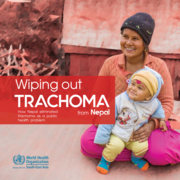
Wiping out Trachoma from Nepal – How Nepal eliminated trachoma as a public health problem
WHO - 2018

Snakebite envenoming affects millions of people worldwide annually and is a significant source of mortality. Preventing and treating the problem is complex and requires collaboration among the fields of public health, medicine, ecology, and laboratory science. After being removed from the category A
...
neglected tropical disease (NTD) list in 2013, snakebite envenoming was reinstated in 2017 in response to antivenom shortages and advocacy from researchers and international NGOs. In 2019, the World Health Organization (WHO) set a target to halve the number of deaths and cases of snakebite envenoming by 2030.
more
Nigeria reported its first case of COVID-19 at the end of February 2020 and subsequently experienced
four waves, with peaks in June 2020 and January, August and December 2021. The COVID-19 pandemic
severely impacted the economy of Nigeria and caused disruption of health services nationwide. During
...
the crisis, many Nigerians failed to access routine health
services due to decreased income and lockdown
restrictions. The most significant service disruptions
were in maternal and newborn health, vaccination,
sick childcare, family planning and noncommunicable
disease treatment services (1). Pregnant women
were anxious about contracting COVID-19 during
2020, and as a result, many avoided attending health
facilities for antenatal (ANC) and postnatal care (PNC).
Disruptions in the medical supply chain and diversion
of resources to COVID-19 management impacted on
essential health services. Health workers were often
unable to go to work because of transport disruptions
or illness
more
Burden of T. solium: Neurocysticercosis is a disease induced by T. solium larvae penetrating human tissues, especially the nervous system. Neurocysticercosis burdens economies, societies and individuals because of the impact of epilepsy on wages, health costs and social stigmatization of sufferers.
...
Health systems are also burdened as treatments must be tailored to individual needs.
more
WHO strongly recommends discontinuation of the nerve tissue vaccine, and replacement with modern concentrated and purified cell culture derived vaccines (CCDV) and embryonated eggbased rabies vaccines.
These vaccines must comply with WHO criteria for potency and innocuity following satisfactory ass
...
essment in humans during well-designed field trials
more

13 August 2025.The conditionality of this recommendation is largely driven by the current higher unit cost of pyrethroid-PBO ITNs compared to pyrethroid-only LLINs and therefore the uncertainty of their cost-effectiveness. Furthermore, as PBO is less wash-resistant than pyrethroids, its bioavailabil
...
ity declines faster over the three-year estimated life of an ITN; therefore, the added impact of
pyrethroid-PBO ITNs over that of pyrethroid-only LLINs may decline over time. The evidence comes from two sites in
eastern Africa with pyrethroid resistance and not from other geographies where
more

Improving the survival chances and quality of life of women, newborns, and children remains an urgent global challenge. Since 2012, substantial progress has been made in reducing maternal and under-5 deaths, and a only handful of countries are on target to meet the SDG targets in 2030. Yet, 5 millio
...
n children still die each year under the age of 5, and nearly half of those are newborns less than a month old. Worse still, the global maternal mortality ratio is going in the wrong direction.
A Decade of Progress and Action for the Future will examine the tenacity and innovation that helped us make gains, the lessons learned through monitoring, country-led adaptation and leadership, analysis, and reflection, as well as the approaches we must take to reinvigorate the momentum and global commitment to improving maternal and child survival. Increasing coverage, strengthening the quality of care, and enhancing equity will be tantamount to our global progress.
more

More than 700 000 people lose their life to suicide every year. A core foundation of suicide prevention is the timely registration and regular monitoring of suicide and self-harm. Surveillance data can be used to show important progress towards reaching global targets, such as reducing the suicide r
...
ate by one third by 2030 as articulated in the UN SDGs and in the WHO Mental Health Action Plan 2013-2030. However, there are considerable discrepancies in the quality of data on suicide and self-harm globally. The aim of this training manual is to equip fieldworkers and supervisors with the skills to collect and manage data on suicide and self-harm in the community via key informants, health-care facilities and police records. In doing so, the value and overall goal is to strengthen the surveillance of suicide and self-harm in communities, particularly in LMICs and hard-to-reach communities where CRVS systems are weak or absent.
more
The publication of the of the Antimicrobial Treatment Guidelines represents the
culmination of the efforts of the Antimicrobial Stewardship Program of ICMR to publish treatment guidelines for common syndromes in India. These guidelines are targeted for the health care settings. It aims to rationali
...
ze the usage of antibiotics on our Essential Medicines Formulary (EMF) and to establish consistency in the treatment of various infectious conditions.
more
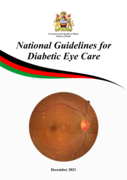
Diabetes mellitus (DM) is a global epidemic with significant morbidity. Diabetic
retinopathy (DR) is the specific microvascular complication of DM and affects 1 in 3 persons with DM. DR remains a leading cause of vision loss in working adult populations. Patients with severe levels of DR are report
...
ed to have poorer quality of life and reduced levels of physical, emotional, and social well-being, and they utilize more health care resources.
Epidemiological studies and clinical trials have shown that optimal control of blood glucose, blood pressure, and blood lipids can reduce the risk of developing retinopathy and slow its progression. Timely treatment with laser photocoagulation, and increasingly, the appropriate use of intraocular administration of vascular endothelial growth factor (VEGF) inhibitors can prevent visual loss in vision- threatening retinopathy, particularly diabetic macular edema (DME). Since visual loss may not be present in the earlier stages of retinopathy, regular screening of persons with diabetes is essential to enable early intervention.
more

Skin-related neglected tropical diseases, or “skin NTDs”, are historically neglected because active case detection, individual case management, significant resources and intensive effort are required to control, eliminate and eradicate them. Integrated control and management of skin NTDs offers
...
a pathway to overcome some of these past challenges.
more
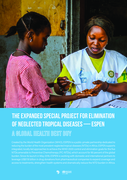
While virtually unheard of in developed countries, NTDs are a group of medically diverse parasitic and bacterial infectious diseases common in tropical and subtropical areas. NTDs affect more than 1.5 billion people annually, causing death, blindness, disfigurement, chronic pain, cognitive impairmen
...
t and other long-term disabilities that create obstacles to education, employment, economic growth and overall
development. When measured in disability-adjusted life years (DALYs), the NTD burden is greater than malaria or tuberculosis.
more
