
Filter
4387
Text search:
district
health
system
Featured
384
1490
Language
4188
144
39
38
31
28
12
11
9
7
4
2
2
1
1
1
1
1
1
1
1
1
1
1
1
1
1
1
1
1
1
1
1
1
1
1
Document type
2670
661
475
244
187
72
35
30
4
4
3
2
Countries
339
179
170
157
138
129
127
127
107
107
99
96
93
90
89
87
74
62
59
53
47
46
45
44
43
43
41
36
34
30
30
27
26
24
24
22
21
20
18
18
17
17
16
16
13
13
13
13
12
11
11
11
11
11
11
10
10
9
8
8
8
8
7
7
7
7
7
7
7
6
6
6
6
5
4
4
4
4
4
3
3
3
3
3
3
3
2
2
2
2
2
2
2
2
2
2
2
2
1
1
1
1
1
1
1
1
1
1
1
1
1
1
1
1
1
1
1
1
1
1
1
1
1
1
1
1
1
Authors & Publishers
492
172
101
98
94
92
89
58
51
34
34
32
29
26
25
24
23
22
22
21
20
20
19
18
18
17
17
17
17
16
16
15
15
15
14
14
14
13
13
13
13
12
11
11
11
11
11
11
11
11
11
11
10
10
10
10
10
10
9
9
9
9
9
9
9
9
9
8
8
8
8
8
8
7
7
7
7
7
7
7
7
7
7
7
7
7
7
7
7
7
6
6
6
6
6
6
6
6
6
6
6
6
6
6
6
6
6
6
6
6
5
5
5
5
5
5
5
5
5
5
5
5
5
5
5
5
5
5
5
5
5
5
5
5
5
5
5
5
5
5
5
5
5
5
5
5
5
5
4
4
4
4
4
4
4
4
4
4
4
4
4
4
4
4
4
4
4
4
4
4
4
4
4
4
4
4
4
4
4
4
4
4
4
4
4
4
4
4
4
4
4
4
4
4
3
3
3
3
3
3
3
3
3
3
3
3
3
3
3
3
3
3
3
3
3
3
3
3
3
3
3
3
3
3
3
3
3
3
3
3
3
3
3
3
3
3
3
3
3
3
3
3
3
3
3
3
3
3
3
3
3
3
3
3
3
3
3
3
3
3
3
3
3
3
3
3
3
3
3
3
3
3
3
3
3
3
3
3
3
3
3
3
2
2
2
2
2
2
2
2
2
2
2
2
2
2
2
2
2
2
2
2
2
2
2
2
2
2
2
2
2
2
2
2
2
2
2
2
2
2
2
2
2
2
2
2
2
2
2
2
2
2
2
2
2
2
2
2
2
2
2
2
2
2
2
2
2
2
2
2
2
2
2
2
2
2
2
2
2
2
2
2
2
2
2
2
2
2
2
2
2
2
2
2
2
2
2
2
2
2
2
2
2
2
2
2
2
2
2
2
2
2
2
2
2
2
2
2
2
2
2
2
2
2
2
2
2
2
2
2
2
2
2
2
2
2
2
2
2
2
2
2
2
2
2
2
2
2
2
2
2
2
2
2
2
2
2
2
2
2
2
2
2
2
2
2
2
2
2
2
2
2
2
2
2
2
2
2
2
2
2
2
2
2
2
2
2
2
2
2
2
2
2
2
2
2
2
2
2
2
2
2
2
2
2
2
2
2
2
2
2
2
2
2
2
2
2
2
2
2
2
2
2
2
2
2
2
2
2
2
2
2
2
2
2
2
2
2
2
2
2
2
2
2
2
2
2
2
2
1
1
1
1
1
1
1
1
1
1
1
1
1
1
1
1
1
1
1
1
1
1
1
1
1
1
1
1
1
1
1
1
1
1
1
1
1
1
1
1
1
1
1
1
1
1
1
1
1
1
1
1
1
1
1
1
1
1
1
1
1
1
1
1
1
1
1
1
1
1
1
1
1
1
1
1
1
1
1
1
1
1
1
1
1
1
1
1
1
1
1
1
1
1
1
1
1
1
1
1
1
1
1
1
1
1
1
1
1
1
1
1
1
1
1
1
1
1
1
1
1
1
1
1
1
1
1
1
1
1
1
1
1
1
1
1
1
1
1
1
1
1
1
1
1
1
1
1
1
1
1
1
1
1
1
1
1
1
1
1
1
1
1
1
1
1
1
1
1
1
1
1
1
1
1
1
1
1
1
1
1
1
1
1
1
1
1
1
1
1
1
1
1
1
1
1
1
1
1
1
1
1
1
1
1
1
1
1
1
1
1
1
1
1
1
1
1
1
1
1
1
1
1
1
1
1
1
1
1
1
1
1
1
1
1
1
1
1
1
1
1
1
1
1
1
1
1
1
1
1
1
1
1
1
1
1
1
1
1
1
1
1
1
1
1
1
1
1
1
1
1
1
1
1
1
1
1
1
1
1
1
1
1
1
1
1
1
1
1
1
1
1
1
1
1
1
1
1
1
1
1
1
1
1
1
1
1
1
1
1
1
1
1
1
1
1
1
1
1
1
1
1
1
1
1
1
1
1
1
1
1
1
1
1
1
1
1
1
1
1
1
1
1
1
1
1
1
1
1
1
1
1
1
1
1
1
1
1
1
1
1
1
1
1
1
1
1
1
1
1
1
1
1
1
1
1
1
1
1
1
1
1
1
1
1
1
1
1
1
1
1
1
1
1
1
1
1
1
1
1
1
1
1
1
1
1
1
1
1
1
1
1
1
1
1
1
1
1
1
1
1
1
1
1
1
1
1
1
1
1
1
1
1
1
1
1
1
1
1
1
1
1
1
1
1
1
1
1
1
1
1
1
1
1
1
1
1
1
1
1
1
1
1
1
1
1
1
1
1
1
1
1
1
1
1
1
1
1
1
1
1
1
1
1
1
1
1
1
1
1
1
1
1
1
1
1
1
1
1
1
1
1
1
1
1
1
1
1
1
1
1
1
1
1
1
1
1
1
1
1
1
1
1
1
1
1
1
1
1
1
1
1
1
1
1
1
1
1
1
1
1
1
1
1
1
1
1
1
1
1
1
1
1
1
1
1
1
1
1
1
1
1
1
1
1
1
1
1
1
1
1
1
1
1
1
1
1
1
1
1
1
1
1
1
1
1
1
1
1
1
1
1
1
1
1
1
1
1
1
1
1
1
1
1
1
1
1
1
1
1
1
1
1
1
1
1
1
1
1
1
1
1
1
1
1
1
1
1
1
1
1
1
1
1
1
1
1
1
1
1
1
1
1
1
1
1
1
1
1
1
1
1
1
1
1
1
1
1
1
1
1
1
1
1
1
1
1
1
1
1
1
1
1
1
1
1
1
1
1
1
1
1
1
1
1
1
1
1
1
1
1
1
1
1
1
1
1
1
1
1
1
1
1
1
1
1
1
1
1
1
1
1
1
1
1
1
1
1
1
1
1
1
1
1
1
1
1
1
1
1
1
1
1
1
1
1
1
1
1
1
1
1
1
1
1
1
1
1
1
1
1
1
1
1
1
1
1
1
1
1
1
1
1
1
1
1
1
1
1
1
1
1
1
1
1
1
1
1
1
1
1
1
1
1
1
1
1
1
1
1
1
1
1
1
1
1
1
1
1
1
1
1
1
1
1
1
1
1
1
1
1
1
1
1
1
1
1
1
1
1
1
1
1
1
1
1
1
1
1
1
1
1
1
1
1
1
1
1
1
1
1
1
1
1
1
1
1
1
1
1
1
1
1
1
1
1
1
1
1
1
1
1
1
1
1
1
1
1
1
1
1
1
1
1
1
1
1
1
1
1
1
1
1
1
1
1
1
1
1
1
1
1
1
1
1
1
1
1
1
1
1
1
1
1
1
1
1
1
1
1
1
1
1
1
1
1
1
1
1
1
1
1
1
1
1
1
1
1
1
1
1
1
1
1
1
1
1
1
1
1
1
1
1
1
1
1
1
1
1
1
1
1
1
1
1
1
1
1
1
1
1
1
1
1
1
1
1
1
1
1
1
1
1
1
1
1
1
1
1
1
1
1
1
1
1
1
1
1
1
1
1
1
1
1
1
1
1
1
1
1
1
1
1
1
1
1
1
1
1
1
1
1
1
1
1
1
1
1
1
1
1
1
1
1
1
1
1
1
1
1
1
1
1
1
1
1
1
1
1
1
1
1
1
1
1
1
1
1
1
1
1
1
1
1
1
1
1
1
1
1
1
1
1
1
1
1
1
1
1
1
1
1
1
1
1
1
1
1
1
1
1
1
1
1
1
1
1
1
1
1
1
1
1
1
1
1
1
1
1
1
1
1
1
1
1
1
1
1
1
1
1
1
1
1
1
1
1
1
1
1
1
1
1
1
1
1
1
1
1
1
1
1
1
1
1
1
1
1
1
1
1
1
1
1
1
1
1
1
1
1
1
1
1
1
1
1
1
1
1
1
1
1
1
1
1
1
1
1
1
1
1
1
1
1
1
1
1
1
1
1
1
1
1
1
1
1
1
1
1
1
1
1
1
1
1
1
1
1
1
1
1
1
1
1
1
1
1
1
1
1
1
1
1
1
1
1
1
1
1
1
1
1
1
1
1
1
1
1
1
1
1
1
1
1
1
1
1
1
1
1
1
1
1
1
1
1
1
1
1
1
1
1
1
1
1
1
1
1
1
1
1
1
1
1
1
1
1
1
1
1
1
1
1
1
1
1
1
1
1
1
1
1
1
1
1
1
1
1
1
1
1
1
1
1
1
1
1
1
1
1
1
1
1
1
1
1
1
1
1
1
1
1
1
1
1
1
1
1
1
1
1
1
1
1
1
1
1
1
1
1
1
1
1
1
1
1
1
1
1
1
1
1
1
1
1
1
1
1
1
1
1
1
1
1
1
1
1
1
1
1
1
1
1
1
1
1
1
1
1
1
1
1
1
1
1
1
1
1
1
1
1
1
1
1
1
1
1
1
1
1
1
1
1
1
1
1
1
1
1
1
1
1
1
1
1
1
1
1
1
1
1
1
1
1
1
1
1
1
1
1
1
1
1
1
1
1
1
1
1
1
1
1
1
1
1
1
1
1
1
1
1
1
1
1
1
1
1
1
1
1
1
1
1
1
1
1
1
1
1
1
1
1
1
1
1
1
1
1
1
1
1
1
1
1
1
1
1
1
1
1
1
1
1
1
1
1
1
1
1
1
1
1
1
1
1
1
1
1
1
1
1
1
1
1
1
1
1
1
1
1
1
1
1
1
1
1
1
1
1
1
1
1
1
1
1
1
1
1
1
1
1
1
1
1
1
1
1
1
1
1
1
1
1
1
1
1
1
1
1
1
1
1
1
1
1
1
1
1
1
1
1
1
1
1
1
1
1
1
1
1
1
1
1
1
1
1
1
1
1
1
1
1
1
1
1
1
1
1
1
1
1
1
1
1
1
1
1
1
1
1
1
1
1
1
1
1
1
1
1
1
1
1
1
1
1
1
1
1
1
1
1
1
1
1
1
1
1
1
1
1
1
1
1
1
1
1
1
1
1
1
1
1
1
1
1
1
1
1
1
1
1
1
1
1
1
1
1
1
1
1
1
1
1
1
1
1
1
1
1
1
1
1
1
1
1
1
1
1
1
1
1
1
1
1
1
1
1
1
1
1
1
1
1
1
1
1
1
1
1
1
1
1
1
1
1
1
1
1
1
1
1
1
1
1
1
1
1
1
1
1
1
1
1
1
1
1
1
1
1
1
1
1
1
1
1
1
1
1
1
1
1
1
1
1
1
1
1
1
1
1
1
1
1
1
1
1
1
1
1
1
1
1
1
1
1
1
1
1
1
1
1
1
1
1
1
1
1
1
1
1
1
1
1
1
1
1
1
1
1
1
1
1
1
1
1
1
1
1
1
1
1
1
1
1
1
1
1
1
1
1
1
1
1
1
1
1
1
1
1
1
1
1
1
1
1
1
1
1
1
1
1
1
1
1
1
1
1
1
1
1
1
1
1
1
1
1
1
1
1
1
1
1
1
1
1
1
1
1
1
1
1
1
1
1
1
1
1
1
1
1
1
1
1
1
1
1
1
1
1
1
1
1
1
1
1
1
1
1
1
1
1
1
1
1
1
1
1
1
1
1
1
1
1
1
1
1
1
1
1
1
1
1
1
1
1
1
1
1
1
1
1
1
1
1
1
1
1
1
1
1
1
1
1
1
1
1
1
1
1
1
1
1
1
1
1
1
1
1
1
1
1
1
1
1
1
1
1
1
1
1
1
1
1
1
1
1
1
1
1
1
1
1
1
1
1
1
1
1
1
1
1
1
1
1
1
1
1
1
1
1
1
1
1
1
1
1
1
1
1
1
1
1
1
1
1
1
1
1
1
1
1
1
1
1
1
1
1
1
1
1
1
1
1
1
1
1
1
1
1
1
1
1
1
1
1
1
1
1
1
1
1
1
1
1
1
1
1
1
1
1
1
1
1
1
1
1
1
1
1
1
1
1
1
1
1
1
1
1
1
1
1
1
1
1
1
1
1
1
1
1
1
1
1
1
1
1
1
1
1
1
1
1
1
1
1
1
1
1
1
1
1
1
1
1
1
1
1
1
1
1
1
1
1
1
1
1
1
1
1
1
1
1
1
1
1
1
1
1
1
1
1
1
1
1
1
1
1
1
1
1
1
1
1
1
1
1
1
1
1
1
1
1
1
1
1
1
1
1
1
1
1
1
1
1
1
1
1
1
1
1
1
1
1
1
1
1
1
1
1
1
1
1
1
1
1
1
1
1
1
1
1
1
1
1
1
1
1
1
1
1
1
1
1
1
1
1
1
1
1
1
1
1
1
1
1
1
1
1
1
1
1
1
1
1
1
1
1
1
1
1
1
1
1
1
1
1
1
1
1
1
1
1
1
1
1
1
1
1
1
1
1
1
1
1
1
1
1
1
1
1
1
1
1
1
1
1
1
1
1
1
1
1
1
1
1
1
1
1
1
1
1
1
1
1
1
1
1
1
1
1
1
1
1
1
1
1
1
1
1
1
1
1
1
1
1
1
1
1
1
1
1
1
1
1
1
1
1
1
1
1
1
1
1
1
1
1
1
1
1
1
1
1
1
1
1
1
1
1
1
1
1
1
1
1
1
1
1
1
1
1
1
1
1
1
1
1
1
1
1
1
1
1
1
1
1
1
1
1
1
1
1
1
1
1
1
1
1
1
1
1
1
1
1
1
1
1
1
1
1
1
1
1
1
1
1
1
1
1
1
1
1
1
1
1
1
1
1
1
1
1
1
1
1
1
1
1
1
1
1
1
1
1
1
1
1
1
1
1
1
1
1
1
1
1
1
1
1
1
1
1
1
1
1
1
1
1
1
1
1
1
1
1
1
1
1
1
1
1
1
1
1
1
1
1
1
1
1
1
1
1
1
1
1
1
1
1
1
1
1
1
1
1
1
1
1
1
1
1
1
1
1
1
1
1
1
1
1
1
1
1
1
1
1
1
1
1
1
1
1
1
1
1
1
1
1
1
1
1
1
1
1
1
1
1
1
1
1
1
1
1
1
1
1
1
1
1
1
1
1
1
1
1
1
1
1
1
1
1
1
1
1
1
1
1
1
1
1
1
1
1
1
1
1
1
1
1
1
1
1
1
1
1
1
1
1
1
1
1
1
1
1
1
1
1
1
1
1
1
1
1
1
1
1
1
1
1
1
1
1
1
1
1
1
1
1
1
1
1
1
1
1
1
1
1
1
1
1
1
1
1
1
1
1
1
1
1
1
1
1
1
1
1
1
1
1
1
1
1
1
1
1
1
1
1
1
1
1
1
1
1
1
1
1
1
1
1
1
1
1
1
1
1
1
1
1
1
1
1
1
1
1
1
1
1
1
1
1
1
1
1
1
1
1
1
1
1
1
1
1
1
1
1
1
1
1
1
1
1
1
1
1
1
1
1
1
1
1
1
1
1
1
1
1
1
1
1
1
1
1
1
1
1
1
1
1
1
1
1
1
1
1
1
1
1
1
1
1
1
1
1
1
1
1
1
1
1
1
1
1
1
1
1
1
1
1
1
1
1
1
1
1
1
1
1
1
1
1
1
1
1
1
1
1
1
1
1
1
1
1
1
1
1
1
1
1
1
1
1
1
1
1
1
1
1
1
1
1
1
1
1
1
1
1
1
1
1
1
1
1
1
1
1
1
1
1
1
1
1
1
1
1
1
1
1
1
1
1
1
1
1
1
1
1
1
1
1
1
1
1
1
1
1
1
1
1
1
1
1
1
1
1
1
1
1
1
1
1
1
1
1
1
1
1
1
1
1
1
1
1
1
1
1
1
1
1
1
1
1
1
1
1
1
1
1
1
1
1
1
1
1
1
1
1
1
1
1
1
1
1
1
1
1
1
1
1
1
1
1
1
1
1
1
1
1
1
1
1
1
1
1
1
1
1
1
1
1
1
1
1
1
1
1
Publication Years
987
2926
442
31
1
Category
2320
279
264
241
186
86
36
Toolboxes
204
200
193
182
180
180
122
102
102
92
91
90
77
69
60
56
55
49
46
34
34
23
15
11
8
3
1
On September 10, 2022, the Ministry of Health (MOH) announced a cholera outbreak in Aleppo governorate with 15 laboratory confirmed cases reported between August 25 and September 9, 2022. Activities under this plan seek to address the immediate need
...
s stemming from this outbreak and highlight response priorities across all areas of the response and key sectors involved. This plan initially focuses on the Health, Water Sanitation and Hygiene (WASH), and Risk Communication and Community Engagement (RCCE) responses for an initial period of 90 days. The activities detailed in this plan are also within the programmatic scope of the 2022-2023 Humanitarian Response Plan (HRP).
more

Addressing comorbidities and risk factors for TB is a crucial component of Pillar one of the End TB Strategy, which focuses on integrated patient-centred care and prevention, including action on TB and comorbidities. The Framework for collaborative action on TB and comorbidities aims to support coun
...
tries in the evidence-informed introduction and scale-up of holistic people-centred services for TB, comorbidities and health-related risk factors, with the goal of comprehensively addressing TB and other co-existing health conditions. It should be used in conjunction with relevant WHO guidelines. The Framework is intended for use by people working in ministries of health, other relevant line-ministries, policymakers, international technical and funding organizations, researchers, nongovernmental and civil society organizations, as well as primary care workers, specialist health practitioners, and community health workers who support the response to TB and comorbidities in both the public and private sectors.
more

Kangaroo mother care: a practical guide
recommended
Kangaroo mother care is a method of care of preterm infants. The method involves infants being carried, usually by the mother, with skin-to-skin contact. This guide is intended for health professionals responsible for the care of low-birth-weight an
...
d preterm infants. Designed to be adapted to local conditions, it provides guidance on how to organize services at the referral level and on what is needed to provide effective kangaroo mother care. The guide includes practical advice on when and how the kangaroo-mother-care method can best be applied.
more

Download (7.4 MB)
Overview
Epilepsy is one of the most common neurological disorders globally. The WHO epilepsy technical brief aims to strengthen action for epilepsy and complements the Intersectoral global action plan on epilepsy and other neurological disorders 2022–2031.
The technical bri
...
ef presents the key information on epilepsy and recommends actions to policy makers and other stakeholders. Using the concept of levers for change introduced by the Operational Framework for Primary Health Care, it identifies actions on the policy and operational levels that stakeholders should take to strengthen services for people with epilepsy using a person-centered approach based on human rights and universal health coverage.
more
Trachoma is the leading infectious cause of blindness (2). It is characterized by repeated
conjunctival infection with particular strains of Chlamydia trachomatis. This scars the conjunctivae and,
in some cases, leads to trichiasis with or without entropion. The abrasive action of eyelashes can
d
...
amage the cornea. In 2018, trachoma affected the poorest residents of the poorest communities of 43
countries
more

Despite the significant role of vector control in national leishmaniasis control programmes, the programmatic community perceives vector control as the weakest component of leishmaniasis control strategies in terms of resources, scientific evidence of the usefulness of interventions and capacity for
...
quality-assured implementation. Therefore, the main objective of this manual is to provide practical tools, techniques and procedures to strengthen sand fly control and surveillance in order to improve implementation of leishmaniasis control programmes. The manual provides a rationale for programme managers in different geographical regions on the types of vector control interventions to be used in different epidemiological and environmental settings and also how to measure their impact.
more

The Practical manual on laboratory strengthening, 2022 update provides practical guidance on implementation of WHO recommendations and best practices for TB laboratory strengthening. It is an updated version of the GLI Practical Guide to Laboratory Strengthening published in 2017 and provides the la
...
test practical guidance on use of newly recommended diagnostics as well as guidance in key technical areas, including quality assurance and quality management systems, specimen collection and registration, procurement and supply-chain management, diagnostic connectivity, biosafety, data management, human resources, strategic planning, and model algorithms. The key changes are:
inclusion of recent or updated WHO recommendations for tests to diagnose TB and detect drug resistance;
alignment with the latest WHO critical concentrations for phenotypic drug-susceptibility testing (DST) and the new definitions of pre-XDR-TB and XDR-TB;
updated information on building quality-assured TB testing and management capacity using the Stepwise Laboratory Quality Improvement Process Towards Accreditation (SLIPTA) approach (Score-TB package1);
updated information on assessing, analysing and optimising TB diagnostic networks; and
updated information on the use of next-generation sequencing (NGS) to detect mutations associated with drug resistance for surveillance purposes.
The document also provides references to resources and tools relevant for work on laboratory strengthening.
more
This guideline for the prevention and control of chikungunya fever
(CF) is intended for use by all peripheral health workers in the Region and
is based on the strategy outlined above. This document will focus mainly
on preventing, predicting and
...
detecting outbreaks, and after detection,
investigating and containing them.
more

Schistosomiasis is widely recognized as a disease that is socially determined. An understanding of the social and behavioural factors linked to disease transmission and control should play a vital role in designing policies and strategies for schistosomiasis prevention and control. To this must be a
...
dded the awareness that schistosomiasis is also a disease of poverty. It still survives in poverty-stricken, remote areas where there is little or no safe water or sanitation, and health care is scarce or non-existent. For a variety of complex reasons, many of which are addressed in this book, the disease is particularly prevalent in sub-Saharan Africa, and persists in certain areas of rural China. This concern for human behaviour in an environment of poverty echoes the concerns of the new research priority for “diseases of poverty” identified by the Special Programme for Research & Training in Tropical Diseases.
more
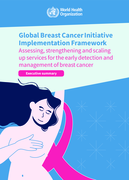
Breast cancer is the most common cancer worldwide and the leading cause of cancer deaths among women, disproportionately affecting low- and middle-income countries. The Global Breast Cancer Initiative strives to reduce breast cancer mortality by 2.5 percent per year, which over a 20-year period can
...
save 2.5 million lives. The purpose of this core technical package is to outline a pathway for incremental, sustainable improvements tailored to country-specific needs based on three key strategies and objectives: health promotion for early detection; timely diagnosis; and comprehensive breast cancer management. This document provides a common framework linking policy makers, stakeholders, the clinical community, program managers and civil society to evidence-based systematic approaches that can facilitate health systems strengthening and reduce inequities in women’s health throughout their life cycles
more

Yaws is a disfiguring non-venereal disease caused by infection with the spirochaete. Treponema pallidum subspecies pertenue which is closely related to the causative agent of syphilis and those of the other endemic treponematoses, bejel and pinta. The disease is endemic in certain areas of the World
...
Health Organization (WHO) African, South-East Asia and Western Pacific regions. Of the neglected tropical diseases identified for elimination and eradication, yaws is one of two diseases targeted for eradication. In 1949, the Second World Health Assembly adopted resolution WHA2.36, which addresses yaws, bejel and pinta as major public health problems that need attention.
more

Countries are making progress toward the global goal of 95% of people living with HIV knowing their status by 2025. However, considerable gaps remain in achieving these goals globally. Men in high HIV burden settings and men from key populations in all settings are consistently less likely to know t
...
heir HIV status than women. Globally, 78% of men ages 15 years and older who are living with HIV are aware of their HIV status, compared with 86% of women with HIV of these ages.
Offering HIV testing services, including HIV self-testing, at formal and informal workplaces has emerged as an effective, acceptable and feasible approach for reaching men. A 2018 World Health Organization (WHO) and International Labour Organization (ILO) policy brief provides key guiding principles for HIVST implementation at workplaces. Building on the 2018 policy brief, this brief captures early experience with HIVST implementation at workplaces and discusses emerging approaches of sustainable financing that can be adapted for HIV self-testing at workplaces.
The primary audiences for this policy brief are ministries of health and labour, national HIV programmes, employers’ organizations, workers’ organizations (labour unions), enterprises, implementing partners, including civil society organizations, and health insurance agencies.
more
Snakebite is an acute life threatening time limiting medical emergency. It is a preventable public
health hazard often faced by rural population in tropical and subtropical countries with heavy
rainfall and humid climate.

The social context of schistosomiasis and its control: an introduction and annotated bibliography
Bruun, B.; Aagaard-Hansen, J.; Watts, S.
World Health Organization WHO; Institutional Repository for Information Sharing iris
(2008)
C_WHO
Schistosomiasis is widely recognized as a disease that is socially determined. An
understanding of the social and behavioural factors linked to disease transmission and
control should play a vital role in designing policies and strategies for schistosomiasis
prevention and control. To this must b
...
e added the awareness that schistosomiasis is
also a disease of poverty. It still survives in poverty-stricken, remote areas where there
is little or no safe water or sanitation, and health care is scarce or non-existent. For
a variety of complex reasons, many of which are addressed in this book, the disease
is particularly prevalent in sub-Saharan Africa, and persists in certain areas of rural
China. This concern for human behaviour in an environment of poverty echoes the
concerns of the new research priority for “diseases of poverty” identified by the
Special Programme for Research & Training in Tropical Diseases.
more

Rabies is fatal, vaccine-preventable disease responsible for an estimated 59,000 human deaths each year. Most cases are transmitted by dogs, and most deaths occur in underserved populations in Africa and Asia. Approximately 40% of deaths occur in children.

Promoting health and preventing disease is a critical component of the effort required to achieve Universal Health Coverage (UHC). to date, efforts to achieve UHC have focused mostly on strengthenin
...
g health systems and their capacities to provide curative care. However, experience from the COVID-19 pandemic has reaffirmed the need for resilient health systems, emphasizing primary health care, including preventive and promotive health and well-being.
Emerging from the eye of the storm as the global health lead agency during the pandemic, WHO is equipped with the required insights and actions for a holistic approach to “building back fairer and better” after COVID-19.
The Healthier Populations (UHP) Cluster in the African Region is designed to support Pillar 3 of WHO’s 13th Global Programme of Work (GPW13) which aims to make 1 billion people healthier by reducing health inequities, preventing diseases and injuries, addressing health determinants, and promoting partnerships for collaborative actions amongst all stakeholders.
more

This document aims to assist countries to take the first step towards better considering gender and equity issues in their efforts to tackle antimicrobial resistance (AMR), to inform the implementation of strategies in national action plans and contribute to improved reach and effectiveness of AMR e
...
fforts in the longer term. It is part of a series of papers being developed y WHO, FAO and OIE to build a better global evidence base for implementing AMR national action plans. This version is illustrated by examples from the health sector predominantly but
will be updated with advice from the food and animal sectors in due course.
more

Report of a global meeting on yaws eradication surveillance, monitoring and evaluation: Geneva, 29–30 January 2018. World Health Organization.

Skin-related neglected tropical diseases, or “skin NTDs”, are historically neglected because active case detection, individual case management, significant resources and intensive effort are required to control, eliminate and eradicate them. Integrated control and management of skin NTDs offers
...
a pathway to overcome some of these past challenges.
more

The WHO standard: Universal access to rapid tuberculosis diagnostics sets benchmarks to achieve universal access to WHO-recommended rapid diagnostics (WRDs), increase bacteriologically confirmed tuberculosis and drug resistance detection, and reduce the time to diagnosis. WHO-recommended rapid diagn
...
ostics are highly accurate, cost-effective, reduce the time to treatment initiation, and impact patient-important outcomes.
more
