
Filter
2670
Text search:
population
and
youth
Featured
177
813
Language
2553
86
72
39
38
18
18
8
7
6
4
4
3
3
3
3
3
2
2
2
2
2
2
2
2
2
2
2
2
2
2
2
1
1
1
1
1
1
1
1
1
1
1
1
1
1
1
1
1
1
1
1
1
1
1
1
1
1
1
1
1
1
1
1
Document type
1622
492
207
132
101
36
31
29
8
5
5
1
Countries
114
111
109
83
80
70
65
63
61
61
59
58
57
49
48
45
44
41
41
40
39
35
32
29
28
28
25
25
24
21
21
18
17
16
16
15
15
14
14
13
13
12
12
11
10
10
10
9
9
9
8
7
7
7
7
7
7
6
6
5
5
5
5
5
4
4
4
4
4
4
4
3
3
3
3
3
3
3
3
3
3
3
3
2
2
2
2
2
2
2
2
2
2
2
2
2
2
1
1
1
1
1
1
1
1
1
1
1
1
1
1
1
1
1
1
1
1
1
1
1
1
1
1
1
1
Authors & Publishers
186
82
76
69
65
61
55
45
45
42
25
23
20
20
18
17
17
16
16
15
15
14
14
14
13
13
13
12
12
11
11
11
10
10
10
10
10
10
9
9
9
9
9
8
8
8
8
8
8
8
8
7
7
7
7
7
6
6
6
6
6
6
6
6
5
5
5
5
5
5
5
5
5
5
5
5
5
5
5
4
4
4
4
4
4
4
4
4
4
4
4
4
4
4
4
4
4
4
4
4
4
4
4
4
4
4
4
4
4
4
4
3
3
3
3
3
3
3
3
3
3
3
3
3
3
3
3
3
3
3
3
3
3
3
3
3
3
3
3
3
3
3
3
3
3
3
3
3
3
3
3
3
3
3
3
3
3
3
3
3
3
3
3
3
3
3
3
3
3
3
3
3
3
3
3
3
3
3
3
3
2
2
2
2
2
2
2
2
2
2
2
2
2
2
2
2
2
2
2
2
2
2
2
2
2
2
2
2
2
2
2
2
2
2
2
2
2
2
2
2
2
2
2
2
2
2
2
2
2
2
2
2
2
2
2
2
2
2
2
2
2
2
2
2
2
2
2
2
2
2
2
2
2
2
2
2
2
2
2
2
2
2
2
2
2
2
2
2
2
2
2
2
2
2
2
2
2
2
2
2
2
2
2
2
2
2
2
2
2
2
2
2
2
2
2
2
2
2
2
2
2
2
2
2
2
2
2
2
2
2
2
2
2
2
2
2
2
2
2
2
2
2
2
2
2
2
2
2
2
2
2
2
2
2
2
2
2
2
2
2
2
2
2
2
2
2
2
2
2
2
2
2
2
2
2
2
2
2
2
2
2
2
2
2
2
2
2
2
2
2
2
2
2
1
1
1
1
1
1
1
1
1
1
1
1
1
1
1
1
1
1
1
1
1
1
1
1
1
1
1
1
1
1
1
1
1
1
1
1
1
1
1
1
1
1
1
1
1
1
1
1
1
1
1
1
1
1
1
1
1
1
1
1
1
1
1
1
1
1
1
1
1
1
1
1
1
1
1
1
1
1
1
1
1
1
1
1
1
1
1
1
1
1
1
1
1
1
1
1
1
1
1
1
1
1
1
1
1
1
1
1
1
1
1
1
1
1
1
1
1
1
1
1
1
1
1
1
1
1
1
1
1
1
1
1
1
1
1
1
1
1
1
1
1
1
1
1
1
1
1
1
1
1
1
1
1
1
1
1
1
1
1
1
1
1
1
1
1
1
1
1
1
1
1
1
1
1
1
1
1
1
1
1
1
1
1
1
1
1
1
1
1
1
1
1
1
1
1
1
1
1
1
1
1
1
1
1
1
1
1
1
1
1
1
1
1
1
1
1
1
1
1
1
1
1
1
1
1
1
1
1
1
1
1
1
1
1
1
1
1
1
1
1
1
1
1
1
1
1
1
1
1
1
1
1
1
1
1
1
1
1
1
1
1
1
1
1
1
1
1
1
1
1
1
1
1
1
1
1
1
1
1
1
1
1
1
1
1
1
1
1
1
1
1
1
1
1
1
1
1
1
1
1
1
1
1
1
1
1
1
1
1
1
1
1
1
1
1
1
1
1
1
1
1
1
1
1
1
1
1
1
1
1
1
1
1
1
1
1
1
1
1
1
1
1
1
1
1
1
1
1
1
1
1
1
1
1
1
1
1
1
1
1
1
1
1
1
1
1
1
1
1
1
1
1
1
1
1
1
1
1
1
1
1
1
1
1
1
1
1
1
1
1
1
1
1
1
1
1
1
1
1
1
1
1
1
1
1
1
1
1
1
1
1
1
1
1
1
1
1
1
1
1
1
1
1
1
1
1
1
1
1
1
1
1
1
1
1
1
1
1
1
1
1
1
1
1
1
1
1
1
1
1
1
1
1
1
1
1
1
1
1
1
1
1
1
1
1
1
1
1
1
1
1
1
1
1
1
1
1
1
1
1
1
1
1
1
1
1
1
1
1
1
1
1
1
1
1
1
1
1
1
1
1
1
1
1
1
1
1
1
1
1
1
1
1
1
1
1
1
1
1
1
1
1
1
1
1
1
1
1
1
1
1
1
1
1
1
1
1
1
1
1
1
1
1
1
1
1
1
1
1
1
1
1
1
1
1
1
1
1
1
1
1
1
1
1
1
1
1
1
1
1
1
1
1
1
1
1
1
1
1
1
1
1
1
1
1
1
1
1
1
1
1
1
1
1
1
1
1
1
1
1
1
1
1
1
1
1
1
1
1
1
1
1
1
1
1
1
1
1
1
1
1
1
1
1
1
1
1
1
1
1
1
1
1
1
1
1
1
1
1
1
1
1
1
1
1
1
1
1
1
1
1
1
1
1
1
1
1
1
1
1
1
1
1
1
1
1
1
1
1
1
1
1
1
1
1
1
1
1
1
1
1
1
1
1
1
1
1
1
1
1
1
1
1
1
1
1
1
1
1
1
1
1
1
1
1
1
1
1
1
1
1
1
1
1
1
1
1
1
1
1
1
1
1
1
1
1
1
1
1
1
1
1
1
1
1
1
1
1
1
1
1
1
1
1
1
1
1
1
1
1
1
1
1
1
1
1
1
1
1
1
1
1
1
1
1
1
1
1
1
1
1
1
1
1
1
1
1
1
1
1
1
1
1
1
1
1
1
1
1
1
1
1
1
1
1
1
1
1
1
1
1
1
1
1
1
1
1
1
1
1
1
1
1
1
1
1
1
1
1
1
1
1
1
1
1
1
1
1
1
1
1
1
1
1
1
1
1
1
1
1
1
1
1
1
1
1
1
1
1
1
1
1
1
1
1
1
1
1
1
1
1
1
1
1
1
1
1
1
1
1
1
1
1
1
1
1
1
1
1
1
1
1
1
1
1
1
1
1
1
1
1
1
1
1
1
1
1
1
1
1
1
1
1
1
1
1
1
1
1
1
1
1
1
1
1
1
1
1
1
1
1
1
1
1
1
1
1
1
1
1
1
1
1
1
1
1
1
1
1
1
1
1
1
1
1
1
1
1
1
1
1
1
1
1
1
1
1
1
1
1
1
1
1
1
1
1
1
1
1
1
1
1
1
1
1
1
1
1
1
1
1
1
1
1
1
1
1
1
1
1
1
1
1
1
1
1
1
1
1
1
1
1
1
1
1
1
1
1
1
1
1
1
1
1
1
1
1
1
1
1
1
1
1
1
1
1
1
1
1
1
1
1
1
1
1
1
1
1
1
1
1
1
1
1
1
1
1
1
1
1
1
1
1
1
1
1
1
1
1
1
1
1
1
1
1
1
1
1
1
1
1
1
1
1
1
1
1
1
1
1
1
1
1
1
1
1
1
1
1
1
1
1
1
1
1
1
1
1
1
1
1
1
1
1
1
1
1
1
1
1
1
1
1
1
1
1
1
1
1
1
1
1
1
1
1
1
1
1
1
1
1
1
1
1
1
1
1
1
1
1
1
1
1
1
1
1
1
1
1
1
1
1
1
1
1
1
1
1
1
1
1
1
1
1
1
1
1
1
1
1
1
1
1
1
1
1
1
1
1
1
1
1
1
1
1
1
1
1
1
1
1
1
1
1
1
1
1
1
1
1
1
1
1
1
1
1
1
1
1
1
1
1
1
1
1
1
1
1
1
1
1
1
1
1
1
1
1
1
1
1
1
1
1
1
1
1
1
1
1
1
1
1
1
1
1
1
1
1
1
1
1
1
1
1
1
1
1
1
1
1
1
1
1
1
1
1
1
1
1
1
1
1
1
1
1
1
1
1
1
1
1
1
1
1
1
1
1
1
1
1
1
1
1
1
1
1
1
1
1
1
1
1
1
1
1
1
1
1
1
1
1
1
1
1
1
1
1
1
1
1
1
1
1
1
1
1
1
1
1
1
1
1
1
1
1
1
1
1
1
1
1
1
1
1
1
1
1
1
1
1
1
1
1
1
1
1
1
1
1
1
1
1
1
1
1
1
1
1
1
1
1
1
1
1
1
1
1
1
1
1
1
1
1
1
1
1
1
1
1
1
1
1
1
1
1
1
1
1
1
1
1
1
1
1
1
1
1
1
1
1
1
1
1
1
1
1
1
1
1
1
1
1
1
1
1
1
1
1
1
1
1
1
1
1
1
1
1
1
1
1
1
1
1
1
1
1
1
1
1
1
1
1
1
1
1
1
1
1
1
1
1
1
1
1
1
1
1
1
1
1
1
1
1
1
1
1
1
1
1
1
1
1
1
1
1
1
1
1
1
1
1
1
1
1
1
1
1
1
1
1
1
1
1
1
1
1
1
1
1
1
1
1
1
1
1
1
1
1
1
1
1
1
1
1
1
1
1
1
1
1
1
1
1
1
1
1
1
1
1
1
1
1
1
1
1
1
1
1
1
1
1
1
1
1
1
1
1
1
1
1
1
1
1
1
1
1
1
1
1
1
1
1
1
1
1
1
1
1
1
1
1
1
1
1
1
1
1
1
1
1
1
1
1
1
1
1
1
1
1
1
1
1
1
1
1
1
1
1
1
1
1
1
1
1
1
1
1
1
1
1
1
1
1
1
1
1
1
1
1
1
1
1
1
1
1
1
1
1
1
1
1
1
1
1
1
1
1
1
1
1
1
1
1
1
1
1
1
1
1
1
1
1
1
1
1
1
1
1
1
1
1
1
1
1
1
1
1
1
1
1
1
1
1
1
1
1
1
1
1
1
1
1
1
1
1
1
1
1
1
1
1
1
1
1
1
1
1
1
1
1
1
1
1
1
1
1
1
1
1
1
1
1
1
1
1
1
1
1
1
1
1
1
1
1
1
1
1
1
1
1
1
1
1
1
1
1
1
1
1
1
1
1
1
1
1
1
1
1
1
1
1
1
1
1
1
1
1
1
1
1
1
1
1
1
1
1
1
1
1
1
1
1
1
1
1
1
1
1
1
1
1
1
1
1
1
1
1
1
1
1
1
1
1
1
1
1
1
1
1
1
1
1
1
1
1
1
1
1
1
1
1
1
1
1
1
1
1
1
1
1
1
1
1
1
1
1
1
1
1
1
1
1
1
1
1
1
1
1
1
1
1
1
1
1
1
1
1
1
1
1
1
1
1
1
1
1
1
1
1
1
1
1
1
1
1
1
1
1
1
1
1
1
1
1
1
1
1
1
1
1
1
1
1
1
1
1
1
1
1
1
1
1
1
1
1
1
1
1
1
1
1
1
1
1
1
1
1
1
1
1
1
1
1
1
1
1
1
1
Publication Years
746
1695
225
4
Category
1278
159
132
121
54
40
2
Toolboxes
379
193
168
131
125
99
74
73
46
42
36
35
30
23
19
18
12
10
9
7
6
4
3
3
2
1
The Arid and Semi-Arid lands (ASAL) constitute about 80% (467,200 sq. km) of Kenya’s total land mass and is grouped into geographical zones including the Savannah covering most of the North- easte
...
rn and South-eastern parts, the Coastal region, the North Rift Valley, the Highlands and the Lake Victoria Basin. The ASAL host about 35% of Kenyas population (13 million people) and over 60% of its inhabitants live below the poverty line, subsisting on less than one US dollar per day.
more

The COVID-19 pandemic has exacerbated and added yet another layer of vulnerability to an already dire web of vulnerabilities of girls in the African continent, which constitute about 49% of the total child
...
population. Critically, gender equality and girls’ multidimensional vulnerability have been accentuated to an unprecedented level. The pandemic has triggered major concerns about the potential reversal of the strides achieved over the years towards gender equality and human development in Africa.
more

At least half of the world’s population does not have full coverage of essential health services. Health expenses push more than 100 million people into extreme poverty each and every year, forcin
...
g them into terrible choices that no one should ever have to make: Buy medicine or food? Education or health care? These stark statistics make the case for universal health coverage compelling.
more
The prevalence of FGM is high across many population groups in Egypt, but the practice is somewhat more common in rural areas, in less wealthy households and among girls
...
and women with less education
more
This case study explores how the Talent Youth Association, supported by Link Up, promotes the integration of comprehensive sexuality education in school curricula in Ethiopia in order to enable young people to understand
...
and claim their sexual and reproductive health and rights
more

Depression is a leading cause of non-fatal disease burden worldwide, with a lifetime prevalence of 9% among European adult men and 17% among European adult women.
The task at hand requires substantial investments in preventive mental health care, b
...
ut the potential benefits can be equally rewarding. After all, mental wellbeing is a key resource for learning, productivity, participation and inclusion. Investing in proactive care to promote, protect and sustain mental health in the population is therefore likely to offer good value for money.
more
Early data estimates suggest that 90% of the Ukrainian population could be facing poverty and extreme economic vulnerability should the war deepen, setting the country –
...
and the region – back decades and leaving deep social and economic scars for generations to come
more
Over the past few decades and throughout the world, the landscape of adolescent health has been altered dramatically. Currently, the total population of adolescents between the ages of 10
...
and 19 years is 1.2 billion – the largest generation of young people in history. The vast majority of adolescents (85%) live in developing countries where, in many areas, they make up more than a third of the population. They face a variety of different experiences given the diverse political, economic, social and cultural realities within their communities. Although, for many, adolescence is a period of learning and building confidence in a nurturing environment, for others it is a period of heightened risk and complex challenges.
more
The INEE Minimum Standards Handbook is the only global tool that articulates the minimum level of educational quality and access in emergencies through to recovery. The Minimum Standards express a commitment that all individuals—children,
...
youth and adults—have a right to education.
There are different languages available: Arabic, Azerbajan, Bahsa Indonesia, Bengali, Bosnian, Coratian, Serbian, Chinese, English, French, Japanese, Krygyz, Nepali, Pashto, Portuguese, Russian, Spanish, Urdu, Turkish, Vietnamese
more
The attainment of Zambia’s goal of being a prosperous and middle-income country by 2030 as stipulated in its Vision 2030 is dependent on among others, a healthy and productive
...
population. Therefore, the Government of the Republic of Zambia (GRZ) has prioritized health as a key socio-economic investment in the Seventh National Development Plan 2017-2021. The government is also committed to achieving the targets under the health goal number three and other health related targets under other goals of the 2030 Sustainable Development agenda. Despite progress which has been made in improving the health of Zambians, the country still faces a high burden of communicable diseases and a growing burden of non-communicable diseases. Structural and social deprivation including poverty, inequalities and marginalisation also remain major threats to health. In order to effectively address all the social determinants of health, all sectors should take into account health and well-being as a key element of policy development.
more
Reporting Period: 4 to 10 April 2020
• In collaboration with the Ministry of Youth, UNICEF started training 50 young bloggers on how to identify and respond to fake news.
• UNICEF engaged
...
with 97 social services to enable front-line social workers to carry out community prevention work and case management.
• With support from UNICEF, the nationwide distance learning program, “Mon école à la maison” was officially launched on TV, Radio, WebTV in addition to the free of charge SMS-based learning system.
more

The mandate of the National Tuberculosis Control Programme is to provide leadership and stewardship to accelerate intense and coordinated efforts to reduce the adult TB burden of 290 per 100,000
...
population recently established in the 2013 National TB Prevalence Survey. Other key challenges are low TB case notification, unacceptably high TB death rates, low antiretroviral therapy (ART) coverage among TB/HIV patients and low drug-resistant notification and treatment.
more

Public Health is the science field dedicated to promoting health and well-being, and preventing disease within the human population to ultimately i
...
ncrease the quality of our livelihood and life span. Public Health does not focus on individual patients or diseases, but rather a given population and health system. The discipline is community-centered in its interventions and seeks to improve the health status of whole populations...
more

Health in All Policies (HiAP) promotes health and equity. It is based on the recognition that our greatest health challenges for example, non-communicable diseases, health inequities and inequalitie
...
s, climate change, and spiraling health care costs are highly complex and often linked through the social determinants of health (SDH). In this context, promoting healthy communities, and in particular health equity across different population groups, requires that we address the social determinants of health, such as public transportation, education access, access to healthy food, economic opportunities, and more. While many public policies work to achieve this, conflicts of interest may arise. Alternatively, unintended impacts of policies are not measured and addressed. This requires innovative solutions, and structures that build channels for dialogue and decision-making that work across traditional government policy siloes. Hence, HiAP could be adopted to ensure commitment from the highest decision makers within government to address the social determinants of health.
more

The Ministry of Health through the National AIDS Secretariat, has developed the Strategic Operational Plan for Condom Programming in Sierra Leone with a focus on reinvigorating condom use to ensure “uninterrupted access to male and female condoms
...
and lubricants for Key Populations, young people and the general population.” Condom use in the country was estimated at 7 per cent and 23 per cent of women and men respectively who had sexual intercourse with non-regular partners. The primary goal of the strategic operational plan is to enhance access and utilization of male and female condoms, supporting national efforts to reduce the transmission of sexually transmitted infections (STIs), including HIV, and unintended pregnancies, for all sexually active individuals.
more
At TB HIV Care, we work to strengthen South Africa’s primary healthcare system by delivery people-centred services that respond to the needs of our youth, vulnerable, and underserved communities.
...
Our programmes focus on the prevention, treatment and diagnosis of TB, HIV, viral hepatitis and related health conditions.
more
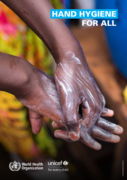
Three billion people – 40 per cent of the world’s population – do not have a place in their homes to wash their hands with water and soap. Three quarters of those who lack access to water
...
and soap live in the world’s poorest countries and are amongst the most vulnerable: children and families living in informal settlements, migrant and refugee camps, or in areas of active conflict. This puts an estimated 1 billion people at immediate risk of COVID-19 simply because they lack basic handwashing facilities.
The Hand Hygiene for All initiative aims to move the world towards this goal: supporting the most vulnerable communities with the means to protect their health and environment. It brings together international partners, national governments, public and private sectors, and civil society to ensure affordable products and services are available, especially in disadvantaged areas, and to enable a culture of hygiene.
more
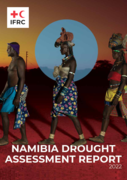
750,000 people are estimated to be food insecure. This number may magnify as households continue to recover from impacts of COVID-19.
Over 63% of household surveys were responded to by female heads and 37.5% of the Key informant respondents were
...
women. Women and children continue to be more disproportionally affected by the drought than men.
Communities continue to develop negative coping strategies as drought conditions persist.
Increase in nomadic and cross border population movements. Over 1,792 Angolan nationals were repatriated from Namibia in January 2022 whilst others remain integrated in the Namibian communities.
more
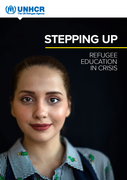
This report tells the stories of some of the world’s 7.1 million refugee children of school age under UNHCR’s mandate. In addition, it looks at the educational aspirations of refugee youth eager to continue learning after secondary education,
...
and highlights the need for strong partnerships in order to break down the barriers to education for millions of refugee children.
more

Although Kenyans enjoy comparatively good health, the prevalence of
chronic disease is increasing and our ageing population is placing evergrowing pressures on the finite resources of our health sy
...
stem.
more
