
Filter
411
Filtered Results: 411
Text search:
Ministry
of
Health,
World
Health
Organisation
(WHO),
Roll
Back
Malaria
Featured
Recommendations
31
New Publications
158
Language
Document type
No document type
270
Studies & Reports
51
Guidelines
36
Strategic & Response Plan
21
Manuals
20
Training Material
8
Infographics
2
Brochures
1
Situation Updates
1
Fact sheets
1
Countries / Regions
Kenya
25
Sierra Leone
22
Liberia
22
Uganda
21
Malawi
20
India
19
Ghana
18
Tanzania
17
Nigeria
16
Zambia
16
Global
15
Namibia
12
Ethiopia
12
Rwanda
9
Mozambique
9
Africa
9
Myanmar / Burma
9
Nepal
5
Bangladesh
5
Senegal
4
Zimbabwe
4
Guinea
4
Asia
4
Botswana
4
Pakistan
4
Cameroon
3
Congo, Democratic Republic of
3
Western and Central Europe
3
South Sudan
3
Thailand
2
Lesotho
2
Benin
2
Syria
2
Burkina Faso
2
Burundi
2
Haiti
2
South Africa
2
Indonesia
2
North Macedonia
1
Timor Leste/ East Timor
1
El Salvador
1
Laos
1
Peru
1
Cambodia
1
Dominican Republic
1
Venezuela
1
Latin America and the Carribbean
1
West and Central Africa
1
Middle East and North Africa
1
South–East Asia Region
1
Mauritius
1
East and Southern Africa
1
Belize
1
Costa Rica
1
Panama
1
Lebanon
1
Vietnam
1
Eastern Europe
1
Nicaragua
1
Sudan
1
Central African Republic
1
Honduras
1
Somalia
1
Madagascar
1
Guatemala
1
Authors & Publishers
Publication Years
Category
Countries
255
Public Health
26
Clinical Guidelines
19
Women & Child Health
18
Key Resources
14
Capacity Building
8
Pharmacy & Technologies
5
Toolboxes
HIV
40
TB
25
Malaria
23
COVID-19
11
Pharmacy
10
Ebola & Marburg
9
NTDs
8
AMR
6
Caregiver
5
Disability
4
Health Financing Toolbox
4
Conflict
4
Global Health Education
4
2.0 Rapid Response
3
Rapid Response
2
Mental Health
2
Natural Hazards
2
Planetary Health
2
Refugee
1
Social Ethics
1
NCDs
1
Zika
1

This paper presents a bibliometric analysis of the literature on private health aid and official health assistance between 2000 and 2022. It provides an overview of the sites and themes in the literature pertaining to development assistance in health, and collates the significant policy recommendati...
Barriers to the prompt and effective diagnosis and treatment of malaria exist at both the community and health facility level. Household surveys measure malaria case management at the population level with standard indicators that assess treatment-seeking behavior, access to diagnostic testing, and ...


Revised National Tuberculosis Control Programme
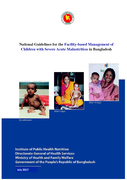
Level of stunting among Bangladeshi children <5years declined from 51% in 2004 to 36% and underweight from 41% in 2007 to 33% (BDHS 2014). But the decrease in wasting rate is not as expected, which is only from 17% to 14.3 % over last decade. Approximately 3.1 % (BDHS 2014) of under-5 children suffe...
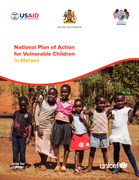

Malaria remains a significant public health concern in the SADC region, accounting for 20% of childhood deaths, as well as prompting numerous outpatient visits and hospitalisations. Around three-quarters of the population, including 35 million children under the age of five and 8.5 million pregnant ...

