
Filter
4300
Text search:
for
pregnant
women
Featured
389
1459
Language
4149
114
93
57
48
38
28
16
9
9
9
7
7
7
6
6
6
6
5
5
4
4
4
4
4
4
3
3
3
3
3
3
3
2
2
2
2
2
2
2
2
2
1
1
1
1
1
1
1
1
1
1
1
1
1
1
1
Document type
2541
587
541
184
146
110
92
49
17
12
11
5
2
1
Countries
251
154
151
126
119
118
117
116
108
89
88
85
84
81
80
79
76
54
52
46
45
44
43
41
39
37
36
34
30
30
29
29
29
28
27
24
24
22
19
18
17
16
16
15
15
14
14
12
12
11
10
9
9
9
8
8
7
7
7
7
7
7
6
6
6
6
6
6
6
5
5
5
4
4
4
4
3
3
3
3
3
3
3
3
3
2
2
2
2
2
2
2
2
2
2
1
1
1
1
1
1
1
1
1
1
1
1
1
1
1
1
1
1
1
1
1
1
1
1
1
1
1
Authors & Publishers
512
154
120
116
98
93
90
77
50
46
31
30
29
28
27
25
24
24
22
21
21
21
20
20
19
19
19
18
18
17
17
17
17
16
16
16
15
15
14
13
13
13
13
13
12
12
12
11
11
11
11
11
11
10
10
10
10
9
9
9
9
9
8
8
8
8
8
8
8
8
8
8
8
8
8
7
7
7
7
7
7
7
7
7
7
7
7
7
7
7
7
6
6
6
6
6
6
6
6
6
6
6
6
6
6
6
6
6
6
5
5
5
5
5
5
5
5
5
5
5
5
5
5
5
5
5
5
5
5
5
5
5
5
5
5
5
5
5
5
5
5
5
5
5
5
4
4
4
4
4
4
4
4
4
4
4
4
4
4
4
4
4
4
4
4
4
4
4
4
4
4
4
4
4
4
4
4
4
4
4
4
4
4
4
4
4
4
3
3
3
3
3
3
3
3
3
3
3
3
3
3
3
3
3
3
3
3
3
3
3
3
3
3
3
3
3
3
3
3
3
3
3
3
3
3
3
3
3
3
3
3
3
3
3
3
3
3
3
3
3
3
3
3
3
3
3
3
3
3
3
3
3
3
3
3
3
3
3
3
3
3
3
3
3
3
3
3
3
3
3
3
2
2
2
2
2
2
2
2
2
2
2
2
2
2
2
2
2
2
2
2
2
2
2
2
2
2
2
2
2
2
2
2
2
2
2
2
2
2
2
2
2
2
2
2
2
2
2
2
2
2
2
2
2
2
2
2
2
2
2
2
2
2
2
2
2
2
2
2
2
2
2
2
2
2
2
2
2
2
2
2
2
2
2
2
2
2
2
2
2
2
2
2
2
2
2
2
2
2
2
2
2
2
2
2
2
2
2
2
2
2
2
2
2
2
2
2
2
2
2
2
2
2
2
2
2
2
2
2
2
2
2
2
2
2
2
2
2
2
2
2
2
2
2
2
2
2
2
2
2
2
2
2
2
2
2
2
2
2
2
2
2
2
2
2
2
2
2
2
2
2
2
2
2
2
2
2
2
2
2
2
2
2
2
2
2
2
2
2
2
2
2
2
2
2
2
2
2
2
2
2
2
2
2
2
2
2
2
2
2
2
2
2
2
2
2
2
2
2
2
2
2
2
2
2
2
2
2
2
2
2
2
2
2
2
2
2
2
2
2
2
2
2
2
2
2
2
2
2
2
2
2
2
2
2
2
2
2
2
1
1
1
1
1
1
1
1
1
1
1
1
1
1
1
1
1
1
1
1
1
1
1
1
1
1
1
1
1
1
1
1
1
1
1
1
1
1
1
1
1
1
1
1
1
1
1
1
1
1
1
1
1
1
1
1
1
1
1
1
1
1
1
1
1
1
1
1
1
1
1
1
1
1
1
1
1
1
1
1
1
1
1
1
1
1
1
1
1
1
1
1
1
1
1
1
1
1
1
1
1
1
1
1
1
1
1
1
1
1
1
1
1
1
1
1
1
1
1
1
1
1
1
1
1
1
1
1
1
1
1
1
1
1
1
1
1
1
1
1
1
1
1
1
1
1
1
1
1
1
1
1
1
1
1
1
1
1
1
1
1
1
1
1
1
1
1
1
1
1
1
1
1
1
1
1
1
1
1
1
1
1
1
1
1
1
1
1
1
1
1
1
1
1
1
1
1
1
1
1
1
1
1
1
1
1
1
1
1
1
1
1
1
1
1
1
1
1
1
1
1
1
1
1
1
1
1
1
1
1
1
1
1
1
1
1
1
1
1
1
1
1
1
1
1
1
1
1
1
1
1
1
1
1
1
1
1
1
1
1
1
1
1
1
1
1
1
1
1
1
1
1
1
1
1
1
1
1
1
1
1
1
1
1
1
1
1
1
1
1
1
1
1
1
1
1
1
1
1
1
1
1
1
1
1
1
1
1
1
1
1
1
1
1
1
1
1
1
1
1
1
1
1
1
1
1
1
1
1
1
1
1
1
1
1
1
1
1
1
1
1
1
1
1
1
1
1
1
1
1
1
1
1
1
1
1
1
1
1
1
1
1
1
1
1
1
1
1
1
1
1
1
1
1
1
1
1
1
1
1
1
1
1
1
1
1
1
1
1
1
1
1
1
1
1
1
1
1
1
1
1
1
1
1
1
1
1
1
1
1
1
1
1
1
1
1
1
1
1
1
1
1
1
1
1
1
1
1
1
1
1
1
1
1
1
1
1
1
1
1
1
1
1
1
1
1
1
1
1
1
1
1
1
1
1
1
1
1
1
1
1
1
1
1
1
1
1
1
1
1
1
1
1
1
1
1
1
1
1
1
1
1
1
1
1
1
1
1
1
1
1
1
1
1
1
1
1
1
1
1
1
1
1
1
1
1
1
1
1
1
1
1
1
1
1
1
1
1
1
1
1
1
1
1
1
1
1
1
1
1
1
1
1
1
1
1
1
1
1
1
1
1
1
1
1
1
1
1
1
1
1
1
1
1
1
1
1
1
1
1
1
1
1
1
1
1
1
1
1
1
1
1
1
1
1
1
1
1
1
1
1
1
1
1
1
1
1
1
1
1
1
1
1
1
1
1
1
1
1
1
1
1
1
1
1
1
1
1
1
1
1
1
1
1
1
1
1
1
1
1
1
1
1
1
1
1
1
1
1
1
1
1
1
1
1
1
1
1
1
1
1
1
1
1
1
1
1
1
1
1
1
1
1
1
1
1
1
1
1
1
1
1
1
1
1
1
1
1
1
1
1
1
1
1
1
1
1
1
1
1
1
1
1
1
1
1
1
1
1
1
1
1
1
1
1
1
1
1
1
1
1
1
1
1
1
1
1
1
1
1
1
1
1
1
1
1
1
1
1
1
1
1
1
1
1
1
1
1
1
1
1
1
1
1
1
1
1
1
1
1
1
1
1
1
1
1
1
1
1
1
1
1
1
1
1
1
1
1
1
1
1
1
1
1
1
1
1
1
1
1
1
1
1
1
1
1
1
1
1
1
1
1
1
1
1
1
1
1
1
1
1
1
1
1
1
1
1
1
1
1
1
1
1
1
1
1
1
1
1
1
1
1
1
1
1
1
1
1
1
1
1
1
1
1
1
1
1
1
1
1
1
1
1
1
1
1
1
1
1
1
1
1
1
1
1
1
1
1
1
1
1
1
1
1
1
1
1
1
1
1
1
1
1
1
1
1
1
1
1
1
1
1
1
1
1
1
1
1
1
1
1
1
1
1
1
1
1
1
1
1
1
1
1
1
1
1
1
1
1
1
1
1
1
1
1
1
1
1
1
1
1
1
1
1
1
1
1
1
1
1
1
1
1
1
1
1
1
1
1
1
1
1
1
1
1
1
1
1
1
1
1
1
1
1
1
1
1
1
1
1
1
1
1
1
1
1
1
1
1
1
1
1
1
1
1
1
1
1
1
1
1
1
1
1
1
1
1
1
1
1
1
1
1
1
1
1
1
1
1
1
1
1
1
1
1
1
1
1
1
1
1
1
1
1
1
1
1
1
1
1
1
1
1
1
1
1
1
1
1
1
1
1
1
1
1
1
1
1
1
1
1
1
1
1
1
1
1
1
1
1
1
1
1
1
1
1
1
1
1
1
1
1
1
1
1
1
1
1
1
1
1
1
1
1
1
1
1
1
1
1
1
1
1
1
1
1
1
1
1
1
1
1
1
1
1
1
1
1
1
1
1
1
1
1
1
1
1
1
1
1
1
1
1
1
1
1
1
1
1
1
1
1
1
1
1
1
1
1
1
1
1
1
1
1
1
1
1
1
1
1
1
1
1
1
1
1
1
1
1
1
1
1
1
1
1
1
1
1
1
1
1
1
1
1
1
1
1
1
1
1
1
1
1
1
1
1
1
1
1
1
1
1
1
1
1
1
1
1
1
1
1
1
1
1
1
1
1
1
1
1
1
1
1
1
1
1
1
1
1
1
1
1
1
1
1
1
1
1
1
1
1
1
1
1
1
1
1
1
1
1
1
1
1
1
1
1
1
1
1
1
1
1
1
1
1
1
1
1
1
1
1
1
1
1
1
1
1
1
1
1
1
1
1
1
1
1
1
1
1
1
1
1
1
1
1
1
1
1
1
1
1
1
1
1
1
1
1
1
1
1
1
1
1
1
1
1
1
1
1
1
1
1
1
1
1
1
1
1
1
1
1
1
1
1
1
1
1
1
1
1
1
1
1
1
1
1
1
1
1
1
1
1
1
1
1
1
1
1
1
1
1
1
1
1
1
1
1
1
1
1
1
1
1
1
1
1
1
1
1
1
1
1
1
1
1
1
1
1
1
1
1
1
1
1
1
1
1
1
1
1
1
1
1
1
1
1
1
1
1
1
1
1
1
1
1
1
1
1
1
1
1
1
1
1
1
1
1
1
1
1
1
1
1
1
1
1
1
1
1
1
1
1
1
1
1
1
1
1
1
1
1
1
1
1
1
1
1
1
1
1
1
1
1
1
1
1
1
1
1
1
1
1
1
1
1
1
1
1
1
1
1
1
1
1
1
1
1
1
1
1
1
1
1
1
1
1
1
1
1
1
1
1
1
1
1
1
1
1
1
1
1
1
1
1
1
1
1
1
1
1
1
1
1
1
1
1
1
1
1
1
1
1
1
1
1
1
1
1
1
1
1
1
1
1
1
1
1
1
1
1
1
1
1
1
1
1
1
1
1
1
1
1
1
1
1
1
1
1
1
1
1
1
1
1
1
1
1
1
1
1
1
1
1
1
1
1
1
1
1
1
1
1
1
1
1
1
1
1
1
1
1
1
1
1
1
1
1
1
1
1
1
1
1
1
1
1
1
1
1
1
1
1
1
1
1
1
1
1
1
1
1
1
1
1
1
1
1
1
1
1
1
1
1
1
1
1
1
1
1
1
1
1
1
1
1
1
1
1
1
1
1
1
1
1
1
1
1
1
1
1
1
1
1
1
1
1
1
1
1
1
1
1
1
1
1
1
1
1
1
1
1
1
1
1
1
1
1
1
1
1
1
1
1
1
1
1
1
1
1
1
1
1
1
1
1
1
1
1
1
1
1
1
1
1
1
1
1
1
1
1
1
1
1
1
1
1
1
1
1
1
1
1
1
1
1
1
1
1
1
1
1
1
1
1
1
1
1
1
1
1
1
1
1
1
1
1
1
1
1
1
1
1
1
1
1
1
1
1
1
1
1
1
1
1
1
1
1
1
1
1
1
1
1
1
1
1
1
1
1
1
1
1
1
1
1
1
1
1
1
1
1
1
1
1
1
1
1
1
1
1
1
1
1
1
1
1
1
1
1
1
1
1
1
1
1
1
1
1
1
1
1
1
1
1
1
1
1
1
1
1
1
1
1
1
1
1
1
1
1
1
1
1
1
1
1
1
1
1
1
1
1
1
1
1
1
1
1
1
1
1
1
1
1
1
1
1
1
1
1
1
1
1
1
1
1
1
1
1
1
1
1
1
1
1
1
1
1
1
1
1
1
1
1
1
1
1
1
1
1
1
1
1
1
1
1
1
1
1
1
1
1
1
1
1
1
1
1
1
1
1
1
1
1
1
1
1
1
1
1
1
1
1
1
1
1
1
1
1
1
1
1
1
1
1
1
1
1
1
1
1
1
1
1
1
1
1
1
1
1
1
1
1
1
1
1
1
1
1
1
1
1
1
1
1
1
1
1
1
1
1
1
1
1
1
1
1
1
1
1
1
1
1
1
1
1
1
1
1
1
1
1
1
1
1
1
1
1
1
1
1
1
1
1
1
1
1
1
1
1
1
1
1
1
1
1
1
1
1
1
1
1
1
1
1
1
1
1
1
1
1
1
1
1
1
1
1
1
1
1
1
1
1
1
1
1
1
1
1
1
1
1
1
1
1
1
1
1
1
1
1
1
1
1
1
1
1
1
1
1
1
1
1
1
1
1
1
1
1
1
1
1
1
1
1
1
1
1
1
1
1
1
1
1
1
1
1
1
1
1
1
1
1
1
1
1
1
1
1
1
1
1
1
1
1
1
1
1
1
1
1
1
1
1
1
1
1
1
1
1
1
1
1
1
1
1
1
1
1
1
1
1
1
1
1
1
1
1
1
1
1
1
1
1
1
1
1
1
1
1
1
1
1
1
1
1
1
1
1
1
1
1
1
1
1
1
1
1
1
1
1
1
1
1
1
1
1
1
1
1
1
1
1
1
1
1
1
1
1
1
1
1
1
1
1
1
1
1
1
1
1
1
1
1
1
1
1
1
1
1
1
1
1
1
1
1
1
1
1
1
1
1
1
1
1
1
1
1
1
1
1
1
1
1
1
1
1
1
1
1
1
1
1
1
1
1
1
1
1
1
1
1
1
1
1
1
1
1
1
1
1
1
1
1
1
1
1
1
1
1
1
1
1
1
1
1
1
1
1
1
1
1
1
1
1
1
1
1
1
1
1
1
1
1
1
1
1
1
1
1
1
1
1
1
1
1
1
1
1
1
1
1
1
1
1
1
1
1
1
1
1
1
1
1
1
1
1
1
1
1
1
1
1
1
1
1
1
1
1
1
1
1
1
1
1
1
1
1
1
1
1
1
1
1
1
1
1
1
1
1
1
1
1
1
1
1
1
1
1
1
1
1
1
1
1
1
1
1
1
1
1
1
1
1
1
1
1
1
1
1
1
1
1
1
1
1
1
1
1
1
1
1
1
1
1
1
1
1
1
1
1
1
1
1
1
1
1
1
1
1
1
1
1
1
1
1
1
1
1
1
1
1
1
1
1
1
1
1
1
1
1
1
1
1
1
1
1
1
1
1
1
1
1
1
1
1
1
1
1
1
1
1
1
1
1
1
1
1
1
1
1
1
1
1
1
1
1
1
1
1
1
1
1
1
1
1
1
1
1
1
1
1
1
1
1
1
1
1
Publication Years
1188
2756
345
10
1
Category
2180
347
333
193
173
125
18
1
Toolboxes
298
193
163
148
143
104
102
101
101
97
93
83
71
65
55
41
38
36
30
30
25
20
18
11
6
4
2
Measles is one of the most contagious diseases for humans. It is caused by a paramyxovirus virus, manifesting as a febrile rash illness. The incubation period for measles usually is 10–14 days (ra
...
nge 7–23 days) from exposure to symptom onset. Initial symptoms (prodrome) generally consist of fever, malaise, cough, conjunctivitis, and coryza. The characteristic maculopapular rash appears two to four days after onset of the prodrome. Patients are usually contagious from about four days before rash onset until four days after its appearance.
more
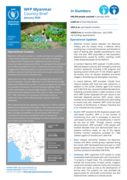
Myanmar continues to present a complex and dynamic operating context where ongoing socio-economic and political challenges, including conflict, displacement, widespread poverty and food insecurity, hinder development efforts. An estimated 24.8 percent of its 54 million population live near or below
...
the poverty line. Many struggle with inadequate physical, social and economic access to sufficient, safe and nutritious food, with women, girls, persons with disabilities and minorities affected most.
more

The World Food Programme (WFP) has taken important steps to progress disability inclusion across its programming and operations. In late 2022, WFP commissioned the Nossal Institute, University of Melbourne in partnership with the Faculty of Psychology, Universitas Gadjah Mada, Indonesia to identify
...
pathways for increasing disability inclusion in WFP’s emergency preparedness and response (EPR) programming.
The study explored WFP’s programming in Indonesia and the Philippines, including WFP’s advisory, technical assistance and service provision roles to government and partners and informed the development of this guide (see appendix 2). As general guidance on disability inclusion is increasingly available, the purpose of this guide is to contextualize disability inclusion in WFP’s emergency preparedness and response programming. The guide builds on core reference materials, such as the Inter-Agency Standing Committee (IASC) Guidelines on Inclusion of Persons with Disabilities in Humanitarian Action, 2019. While of wider relevance, this guide is directed at WFP’s EPR programming in Asia and the Pacific.
more
This book is a practical manual of mental health care for community health workers, primary care nurses, social workers and primary care doctors, particularly in developing countries.Helpful features include: over 50 illustrations and case studies,
...
jargon-free explanations and descriptions, flow-charts on common clinical problems, and a practical guide to the use of psychiatric medicines and simple psychological treatments.
Chapters 1, 9 and 10 can be found on the e-TALC CD-ROM number 2 (April 2003). See www.talcuk.org for details Links to Chapters 2 and 3 above. Printed copies of this book can also be obtained from the Royal College of Psychiatrists www.rcpsych.ac.uk/wnitp
more

General fact sheet in booklet form about the 2014-2015 Demographic and Health Survey conducted in Rwanda. The 2010 Rwanda Demographic and Health Survey (RDHS) provides up-to-date information on the population and health situation in Rwanda. The 2010 RDHS is the fifth national Demographic and Health
...
Survey conducted in the country. Repeated surveys allow for an analysis of trends over time. The survey is based on a nationally representative sample. It provides estimates at the national and provincial levels.
more

Prevalence of Physical Disability among Urban Community-dwelling Adults in Sri Lanka
Weerasinghe, I.F., Foneska, P., Dharmaratne, S.D., & Jayatilake, J.A.M.S.
Disability, CBR & Inclusive Development Journal (DCIDJ)
(2015)
Assessment of physical disability at the community level is essential for rehabilitation and supply of services. This study aimed to assess the prevalence of physical disability among adults in an urban community in Sri Lanka.

‘Psychosocial Support of Children in Emergencies’ is a reference document for humanitarian workers who want to increase their understanding of the experiences of children in emergency situations and how to support them in mitigating the negative
...
effects of these experiences and how to prevent further harm. While the book is not designed to be a day-to-day programming tool, it outlines UNICEF’s orientation to the psychosocial principles integral to any work with children and provides a number of examples from field work of how these principles can be turned into concrete actions.
more
This Technical Brief reviews current practice and evidence on nutrition-specific preventive approaches to MAM, providing practical guidance for implementers and programme managers, and highlighting gaps in evidence and guidance.

Zika Virus Infection: Step by Step Guide on Risk Communication and Community Engagement
recommended
Pan American Health Organization
(2016)
C_WHO
This document offers suggested risk communication actions in relation to Zika virus infection and other health issues linked to this disease. It is directed toward ministers of health and other health sector actors who, with their national (multidisciplinary) teams
...
for communication and social mobilization, will be able to adapt the provided information to the needs of their countries and audiences.
more
Preventive chemotherapy to control soil-transmitted helminth infections in at-risk population groups
recommended
Treating children infected with intestinal worms is one of the simplest and most cost–effective ways to improve their health.
The recommendations are intended for a wide audience, including policy-makers and their expert advisers as well as tech
...
nical and programme staff at government institutions and organizations involved in the design, implementation and expansion of programmes to control soil-transmitted helminth infections.
more

The overall goal of the programme, to reduce the malaria morbidity and mortality by 75% (using 2012 as baseline) by the year 2020, continued to be pursued in 2014. The following areas were identified as some of the priorities for the year: Malaria C
...
ase Management under which we have Malaria in Pregnancy (MIP), Home Based Care and Diagnostics.
more

Senegal’s substantial and sustained progress against malaria is an inspiring public health success story, and a source of potential lessons for other countries on the path to elimination. This case study describes three major success factors—(1)
...
outstanding leadership and partner engagement, (2) the achievement and maintenance of high intervention coverage levels, and (3) a thriving data culture—and explores several exciting new opportunities to consolidate and expand upon Senegal’s two decades of impact.
more

According to the Report, cascading and interlinked crises are putting the 2030 Agenda for Sustainable Development in grave danger, along with humanity’s very own survival. The Report highlights the severity and magnitude of the challenges before u
...
s. The confluence of crises, dominated by COVID-19, climate change, and conflicts, are creating spin-off impacts on food and nutrition, health, education, the environment, and peace and security, and affecting all the Sustainable Development Goals (SDGs). The Report details the reversal of years of progress in eradicating poverty and hunger, improving health and education, providing basic services, and much more. It also points out areas that need urgent action in order to rescue the SDGs and deliver meaningful progress for people and the planet by 2030.
more

The World Health Organization and the Global Fund to Fight AIDS, Tuberculosis and Malaria are part of a group of agencies working together to accelerate progress towards the health-related SDGs through the Global Action Plan for Healthy Lives and We
...
ll-being for All. Understanding patterns of inequalities in these diseases is essential for taking strategic, evidence-informed action to realize our shared vision of ending the epidemics of HIV, TB and malaria.
This report presents the first comprehensive analysis of the magnitude and patterns of socioeconomic, demographic and geographic inequalities in disease burden and access to services for prevention and treatment.
The results confirm there have been improvements in service coverage and decreased disease burden at the national level over the past decade. But they also reveal an uncomfortable reality: unfair inequalities between population subgroups within countries are widespread and have remained largely unchanged over the past decade. For some disease indicators, inequalities are even worsening.
Moreover, the report points to the persistent lack of available data to fully understand inequality patterns in HIV, TB and malaria. Collecting data to improve the monitoring of inequalities in these diseases is vital to develop targeted responses for impact.
There are, encouragingly, isolated successes in reducing inequities. Change is possible when deliberate action is taken to reach disadvantaged populations.
more

This training guide applies a participatory approach, reflecting the considerable evidence that adults learn best by practicing and reflecting on their experiences. It thus emphasizes exercises to improve skills in counseling that support clients to adopt optimal nutrition practices.
...
Women’s nutrition and infant feeding in the context of HIV are also addressed. Guidelines to link the prevention of malnutrition with treatment via the Integrated Management of Acute Malnutrition are also included. It can also be conducted with nutrition managers to equip them to provide supportive supervision to health and community workers.
more

The mhGAP community toolkit: field test version is an integral part of WHO's Mental Health Gap Action Programme (mhGAP), and aims at scaling up services for people with mental health conditions to achieve universal health coverage.
The toolkit p
...
rovides guidance for programme managers on how to identify local mental health needs and tailor community services to match these needs. It offers practical information and necessary tools for community providers to promote mental health, prevent mental health conditions and expand access to mental health services.
more

Core Guidance. Differentiated service delivery is highlighted as a key approach for HIV programmes to enhance implementation quality and efficiency.

This National Food and Nutrition Policy developed in 2013 builds on several achievements that have improved the status of nutrition and household food security in Rwanda during the past six years. The outlines ambitious but necessary strategies needed to solve serious and
persistent problems includ
...
ing the high prevalence of child stunting and high levels of anaemia in children and women. The NFNP also takes into account major differences in the economic development environment and the higher national and international priority placed on improving nutrition and related household food security problems in the second decade of the new millennium compared to 2007 when the country’s first National Nutrition Policy was adopted.
more
The guidelines presented in this document are designed to provide a useful resource for healthcare professionals involved in clinical case management. They were developed taking into consideration services provided at different levels within the hea
...
lth system and resources available. These guidelines are intended to standardize care at both tertiary and secondary levels of service delivery across different socio economic stratifications of our society.
more
Adapted from: Standard Treatment Guidelines and Essential Medicine List PHC. The syndromic approach to Sexually Transmitted Infections (STIs) diagnosis
and management is to treat the signs or symptoms (syndrome) of a group of
diseases rather than treating a specific disease. This allows
...
for the treatment
of one or more conditions that often occur at the same time and has been
accepted as the management of choice.
more
