
Filter
2473
Text search:
Malaria
Partners
International
Featured
219
925
Language
2422
42
27
17
16
12
11
3
1
1
1
1
1
1
1
1
1
1
1
Document type
1570
385
214
123
114
24
19
14
5
2
2
1
Countries / Regions
118
103
94
90
90
88
78
71
70
69
59
59
57
55
42
38
35
33
33
32
32
27
24
23
22
22
21
20
19
18
18
17
17
17
16
15
15
14
14
11
11
9
9
8
6
6
5
5
5
5
5
5
5
5
5
5
5
5
4
4
4
4
4
4
4
4
3
3
3
3
3
3
3
2
2
2
2
2
2
2
2
2
1
1
1
1
1
1
1
1
1
1
1
1
1
1
1
1
1
1
1
1
1
1
1
1
1
1
1
1
1
Authors & Publishers
260
113
74
70
68
67
66
52
24
23
20
20
19
19
17
16
16
15
15
14
14
14
13
13
12
12
11
10
10
10
10
10
9
9
9
9
9
9
8
8
8
8
8
8
8
8
7
7
7
7
7
7
6
6
6
6
6
6
6
6
6
6
6
6
6
5
5
5
5
5
5
5
5
5
5
5
5
5
5
5
5
5
4
4
4
4
4
4
4
4
4
4
4
4
4
4
4
4
4
4
4
4
4
4
4
4
4
4
4
4
4
3
3
3
3
3
3
3
3
3
3
3
3
3
3
3
3
3
3
3
3
3
3
3
3
3
3
3
3
3
3
3
3
3
3
3
3
3
3
3
3
3
3
3
3
3
3
3
3
3
3
3
3
3
3
3
3
3
3
3
2
2
2
2
2
2
2
2
2
2
2
2
2
2
2
2
2
2
2
2
2
2
2
2
2
2
2
2
2
2
2
2
2
2
2
2
2
2
2
2
2
2
2
2
2
2
2
2
2
2
2
2
2
2
2
2
2
2
2
2
2
2
2
2
2
2
2
2
2
2
2
2
2
2
2
2
2
2
2
2
2
2
2
2
2
2
2
2
2
2
2
2
2
2
2
2
2
2
2
2
2
2
2
2
2
2
2
2
2
2
2
2
2
2
2
2
2
2
2
2
2
2
2
2
2
2
2
2
2
2
2
2
2
2
2
2
2
2
2
2
2
2
2
2
2
2
2
2
2
2
2
2
1
1
1
1
1
1
1
1
1
1
1
1
1
1
1
1
1
1
1
1
1
1
1
1
1
1
1
1
1
1
1
1
1
1
1
1
1
1
1
1
1
1
1
1
1
1
1
1
1
1
1
1
1
1
1
1
1
1
1
1
1
1
1
1
1
1
1
1
1
1
1
1
1
1
1
1
1
1
1
1
1
1
1
1
1
1
1
1
1
1
1
1
1
1
1
1
1
1
1
1
1
1
1
1
1
1
1
1
1
1
1
1
1
1
1
1
1
1
1
1
1
1
1
1
1
1
1
1
1
1
1
1
1
1
1
1
1
1
1
1
1
1
1
1
1
1
1
1
1
1
1
1
1
1
1
1
1
1
1
1
1
1
1
1
1
1
1
1
1
1
1
1
1
1
1
1
1
1
1
1
1
1
1
1
1
1
1
1
1
1
1
1
1
1
1
1
1
1
1
1
1
1
1
1
1
1
1
1
1
1
1
1
1
1
1
1
1
1
1
1
1
1
1
1
1
1
1
1
1
1
1
1
1
1
1
1
1
1
1
1
1
1
1
1
1
1
1
1
1
1
1
1
1
1
1
1
1
1
1
1
1
1
1
1
1
1
1
1
1
1
1
1
1
1
1
1
1
1
1
1
1
1
1
1
1
1
1
1
1
1
1
1
1
1
1
1
1
1
1
1
1
1
1
1
1
1
1
1
1
1
1
1
1
1
1
1
1
1
1
1
1
1
1
1
1
1
1
1
1
1
1
1
1
1
1
1
1
1
1
1
1
1
1
1
1
1
1
1
1
1
1
1
1
1
1
1
1
1
1
1
1
1
1
1
1
1
1
1
1
1
1
1
1
1
1
1
1
1
1
1
1
1
1
1
1
1
1
1
1
1
1
1
1
1
1
1
1
1
1
1
1
1
1
1
1
1
1
1
1
1
1
1
1
1
1
1
1
1
1
1
1
1
1
1
1
1
1
1
1
1
1
1
1
1
1
1
1
1
1
1
1
1
1
1
1
1
1
1
1
1
1
1
1
1
1
1
1
1
1
1
1
1
1
1
1
1
1
1
1
1
1
1
1
1
1
1
1
1
1
1
1
1
1
1
1
1
1
1
1
1
1
1
1
1
1
1
1
1
1
1
1
1
1
1
1
1
1
1
1
1
1
1
1
1
1
1
1
1
1
1
1
1
1
1
1
1
1
1
1
1
1
1
1
1
1
1
1
1
1
1
1
1
1
1
1
1
1
1
1
1
1
1
1
1
1
1
1
1
1
1
1
1
1
1
1
1
1
1
1
1
1
1
1
1
1
1
1
1
1
1
1
1
1
1
1
1
1
1
1
1
1
1
1
1
1
1
1
1
1
1
1
1
1
1
1
1
1
1
1
1
1
1
1
1
1
1
1
1
1
1
1
1
1
1
1
1
1
1
1
1
1
1
1
1
1
1
1
1
1
1
1
1
1
1
1
1
1
1
1
1
1
1
1
1
1
1
1
1
1
1
1
1
1
1
1
1
1
1
1
1
1
1
1
1
1
1
1
1
1
1
1
1
1
1
1
1
1
1
1
1
1
1
1
1
1
1
1
1
1
1
1
1
1
1
1
1
1
1
1
1
1
1
1
1
1
1
1
1
1
1
1
1
1
1
1
1
1
1
1
1
1
1
1
1
1
1
1
1
1
1
1
1
1
1
1
1
1
1
1
1
1
1
1
1
1
1
1
1
1
1
1
1
1
1
1
1
1
1
1
1
1
1
1
1
1
1
1
1
1
1
1
1
1
1
1
1
1
1
1
1
1
1
1
1
1
1
1
1
1
1
1
1
1
1
1
1
1
1
1
1
1
1
1
1
1
1
1
1
1
1
1
1
1
1
1
1
1
1
1
1
1
1
1
1
1
1
1
1
1
1
1
1
1
1
1
1
1
1
1
1
1
1
1
1
1
1
1
1
1
1
1
1
1
1
1
1
1
1
1
1
1
1
1
1
1
1
1
1
1
1
1
1
1
1
1
1
1
1
1
1
1
1
1
1
1
1
1
1
1
1
1
1
1
1
1
1
1
1
1
1
1
1
1
1
1
1
1
1
1
1
1
1
1
1
1
1
1
1
1
1
1
1
1
1
1
1
1
1
1
1
1
1
1
1
1
1
1
1
1
1
1
1
1
1
1
1
1
1
1
1
1
1
1
1
1
1
1
1
1
1
1
1
1
1
1
1
1
1
1
1
1
1
1
1
1
1
1
1
1
1
1
1
1
1
1
1
1
1
1
1
1
1
1
1
1
1
1
1
1
1
1
1
1
1
1
1
1
1
1
1
1
1
1
1
1
1
1
1
1
1
1
1
1
1
1
1
1
1
1
1
1
1
1
1
1
1
1
1
1
1
1
1
1
1
1
1
1
1
1
1
1
1
1
1
1
1
1
1
1
1
1
1
1
1
1
1
1
1
1
1
1
1
1
1
1
1
1
1
1
1
1
1
1
1
1
1
1
1
1
1
1
1
1
1
1
1
1
1
1
1
1
1
1
1
1
1
1
1
1
1
1
1
1
1
1
1
1
1
1
1
1
1
1
1
1
1
1
1
1
1
1
1
1
1
1
1
1
1
1
1
1
1
1
1
1
1
1
1
1
1
1
1
1
1
1
1
1
1
1
1
1
1
1
1
1
1
1
1
1
1
1
1
1
1
1
1
1
1
1
1
1
1
1
1
1
1
1
1
1
1
1
1
1
1
1
1
1
1
1
1
1
1
1
1
1
1
1
1
1
1
1
1
1
1
1
1
1
1
1
1
1
1
1
1
1
1
1
1
1
1
1
1
1
1
1
1
1
1
1
1
1
1
1
1
1
1
1
1
1
1
1
1
1
1
1
1
1
1
1
1
1
1
1
1
1
1
1
1
1
1
1
1
1
1
1
1
1
1
1
1
1
1
1
1
1
1
1
1
1
1
1
1
1
1
1
1
1
1
1
1
1
1
1
1
1
1
1
1
1
1
1
1
1
1
1
1
1
1
1
1
1
1
1
1
1
1
1
1
1
1
1
1
1
1
1
1
1
1
1
1
1
1
1
1
1
1
1
1
1
1
1
1
1
1
1
1
1
1
1
1
1
1
1
1
1
1
1
1
1
1
1
1
1
1
1
1
1
1
1
1
1
1
1
1
1
1
1
1
1
1
1
1
1
1
1
1
1
1
1
1
1
1
1
1
1
1
1
1
1
1
1
1
1
1
1
1
1
1
1
1
1
1
1
1
1
1
1
1
1
1
1
1
1
1
1
1
1
1
1
1
1
1
1
1
1
1
1
1
1
1
1
1
1
1
1
1
1
1
1
1
1
1
1
1
1
1
1
1
1
1
1
1
1
1
1
1
1
1
1
1
1
1
1
1
1
1
1
1
1
1
1
1
1
1
1
1
1
1
1
1
1
1
1
1
1
1
1
1
1
1
1
1
1
1
1
1
1
1
1
1
1
1
1
1
1
1
1
1
1
1
1
1
1
1
1
1
1
1
1
1
1
1
1
1
1
1
1
1
1
1
1
1
1
1
1
1
1
1
1
1
1
1
1
1
1
1
1
1
1
1
1
1
1
1
1
1
1
1
1
1
1
1
1
1
1
1
1
1
1
1
1
1
1
1
1
1
1
1
1
1
1
1
1
1
1
1
1
1
1
1
1
1
1
1
1
1
1
1
1
1
1
1
1
1
1
1
1
1
1
1
1
1
1
1
1
1
1
1
1
1
1
1
Publication Years
533
1720
211
9
Category
1266
133
127
117
109
40
18
Toolboxes
196
146
84
78
75
68
61
59
56
50
45
45
43
37
36
35
22
20
15
14
13
10
8
4
3
2
1
The project will support preventive actions, traditional medicine and the coordination and
implementation capacities of the national framework for HIV/AIDS control.
This is the first national Policy to combat AMR in Cambodia. It was developed based on conclusions and recommendations of a country situaytion analysis.
Antimicrobial resistance (AMR) is a global threat that requires urgent collaborative action within and among countries. AMR makes standard treatments ineffective and facilitates the spread of antimicrobial resistant infections rendering communities vulnerable. The Ministry of Health (MOH) and Minist
...
ry of Agriculture, Livestock, Fisheries & Blue Economy (MALF) recognized antimicrobial resistance as a priority following findings from status reports and studies from Ministries, Departments, Agencies and Stakeholders.
more
Operational Guideline

The current trend in AMR in Uganda and globally is rising and calls for immediate action. The 71st UN General Assembly (UNGA), the 68th World Health Assembly, and organizations including the World Health Organization (WHO), the Food and Agriculture Organization (FAO), and the World Organization for
...
Animal Health (OIE), have agreed on a set of actions that member countries such as Uganda are committed to implement. The Government of Uganda (GoU) has put in place a framework through this National AMR Action Plan to address the threat AMR poses to the welfare of the peoples of Uganda. The Action Plan sets out a coordinated and collaborative One Health approach involving key stakeholders in government and other sectors to confront the threat and shall be coordinated by a Uganda National Antimicrobial Resistance Committee (UNAMRC).
more

Infectious diseases are constantly in transition. New diseases develop, known dis-eases become widespread or reemerge, and occasionally a disease is eradicated.Infectious diseases such as HIV, tuberculosis, and cholera are significant causes ofillness and death in many parts of the world. Health car
...
e personnel are on thefront lines, helping to protect their clients from infectious diseases and treatingthem when infections occur. During the course of their work, health care person-nel perform clinical procedures or other activities that can expose both them andtheir clients to potentially infectious microorganisms. Many of their clients aresick and thus may be more susceptible to infections or may have infections thatcan be transmitted to others. Fortunately, all staff working at health care facilities can perform simple proce-dures to minimize risk—to themselves and clients—and reduce the spread ofinfections. These practices can be integrated at minimal cost into the routineworkday at clinics and hospitals around the world. This reference booklet isspecifically designed for use at all levels of the health care system, from thelargest hospitals to the smallest dispensaries or health posts, in settings whereresources are scarce. This booklet, which was first published in 1999, has now been updated. Whilemost practices remain the same, there have been a few important changes—forexample, in recommendations related to hand hygiene and standard precautions.Nonetheless, this booklet continues to present practical recommendations forsimple and relatively low-cost procedures that can be implemented anywhere,with basic supplies and little to no high-technology equipment.
more
This working paper was conceived to offer practical tips and suggestions on how to establish and sustain the multisectoral coordination needed to develop and implement National Action Plans on AMR (NAPs). It is intended for anyone with responsibility for addressing AMR at country level. Drawing on b
...
oth the published literature and the operational experience of four ‘focal countries’ (Ethiopia, Kenya, Philippines and Thailand), it summarizes lessons learned and the latest thinking on multisectoral working to achieve effective AMR action. The experience in focal countries points to a number of tools and tactics that can be used to help establish and enhance sustainable multisectoral collaboration for AMR action. These can be grouped into four categories: political commitment, resources, governance mechanisms, and practical management.
more

This paper was developed to support AMR coordination committees and others tasked with addressing AMR at country level to do just that. Drawing on the published literature and the operational experience and expertise of different LMICs, the paper points to six key strategies for success and offers a
...
series of practical tips and suggestions on how to implement each one.
more
This interim guidance has been updated with advice on safe and appropriate home care for patients with coronavirus disease 2019 (COVID-19) and on the public health measures related to the management of their contacts.

Antibiotics and other antimicrobial agents are invaluable life savers, particularly in resource-limited countries where infectious diseases are abundant. Both uncomplicated and severe infections are potentially curable as long as the aetiological agents are susceptible to the
...
antimicrobial drugs. The rapid rate with which antimicrobial agents are becoming ineffective due to resistance acquired as a result of unchecked overuse and misuse threatens to undo the benefit of controlling infections. The evidence for resistant microorganisms, many times to more than a single antimicrobial agent, has been observed globally. In Tanzania, there is evidence in the form of few scattered studies conducted in different parts of the country in a multitude of settings including health care facilities, the community, domesticated animals and wild animals
more
Antimicrobials have been a critical public health tool since the discovery of penicillin in 1928, saving the lives of millions of people around the world. Today, however, the emergence of drug resistance is reversing the miracles of the past eighty years, with drug choices for the treatment of many
...
infections becoming increasingly limited, expensive, and, in some cases, non-existent.
Conscious of the public health threats of AMR to both humans, animals and the environment, the ministries of health and sanitation, agriculture forestry and food security and the environmental protection agency put together a national multi-sectoral coordinating group tasked with the responsibility of establishing mechanisms to integrate all initiatives into a single concerted action and development of the national AMR strategic plan (2018-2022). The National Strategic Plan on Antimicrobial Resistance is the first approach which addresses AMR specifically.
more

Spread of resistance to antimicrobial agents (AMR) does not know national borders and has reached dimensions, which require immediate actions at the national, regional and global levels.
Antibiotic resistance is a natural biological response to improper use of antimicrobial agents (AMA); increasing
...
number of essential drugs, which become ineffective, contributing to selection, survival and replication of resistant strains of microorganisms. When chosen antimicrobials prove to be ineffective, the second- or third-line drugs need to be used although
in the majority of cases these drugs are more expensive, less safe and not always available.
more
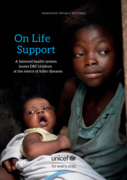
ON LIFE SUPPORT3The Democratic Republic of Congo’s Ebola outbreak has been contained, but confl ict and under-development leave over three million children at risk from measles and other killer diseases. The country’s medical services – ill-equipped and under-resourced – are on life support
...
and in no condition to protect children unless urgent measures are taken.
more
This document updates the earlier version published in April 2020. In recent weeks, information on the potential use of chloroquine or hydroxychloroquine for the treatment of people with COVID-19 has been disseminated in academic journals and public media. Although there are now ongoing clinical tri
...
als testing the efficacy and safety of several medicines for COVID-19, as of the date of this document, there is a lack of quality evidence to demonstrate chloroquine and/or hydroxychloroquine are effective in the treatment of COVID-19. Evidence is recently emerging via small studies with sub-optimal methodologies that are conflicting.
more
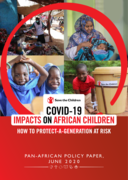
This policy paper underscores that, although children do not represent a high-risk group for direct COVID-19 fatality, the pandemic posts far-reaching secondary impacts that heighten risks to African children’s rights and wellbeing.

While much progress has been achieved over the past year, the Region of the Americas has stubbornly remained the epicenter of the COVID-19 pandemic. PAHO is launching its 2021 COVID-19 Response Strategy and Donor Appeal to continue supporting Latin American and Caribbean countries and territories i
...
n their fight against COVID-19. This document outlines PAHO’s regional strategy for the year 2021 to sustain and scale-up the response to COVID‑19 pandemic in the Americas, suppress the community transmission of the virus and mitigate the longer-term health impact of the pandemic.
US$ 239 million is needed to support critical response efforts in the Americas between 1 January and 31 December 2021
more
This Interim Guidance outlines how key public health and social measures needed to reduce the risk of COVID-19 spread and the impact of the disease can be adapted for use in low capacity and humanitarian settings. The recommendations outlined here need to be adjusted to the scale of transmission, co
...
ntext and resources, in order to achieve the objective of managing COVID-19, namely to reduce transmission and facilitate the detection and management of infected and exposed individuals within the population. The Guidance is intended for humanitarian and development actors of all operational levels working with communities ocal authorities involved in COVID-19 preparedness and response operations in these settings, in support of national and local governments and plans. Additional considerations for support to residents of urban informal settlements and slums are available in Annex 1.
more
One important application of digital health in TB patient care is the support that it can lend to medication adherence. TB programmes have already been using short message service (SMS), video-supported treatment (VOT) and event monitoring device for medication support
...
(EMM)1 to help patients complete treatment and health-care workers to monitor both daily dosing and treatment continuity
more
