Filter
4486
Text search:
data
security
Featured
385
1307
Language
4383
114
95
67
60
46
33
15
7
7
6
5
4
4
4
4
4
4
4
4
4
3
3
3
3
3
3
3
3
3
3
2
2
2
2
2
2
2
2
2
2
2
2
2
2
2
2
1
1
1
1
1
1
1
1
1
1
1
1
1
1
Document type
2199
982
529
269
260
98
65
63
6
6
3
2
2
1
Countries
245
150
127
124
109
104
102
101
98
88
83
77
76
76
71
65
60
60
58
57
56
52
50
41
41
39
39
37
35
35
33
33
33
33
32
29
28
27
27
26
26
21
21
20
18
18
18
17
17
17
17
16
16
16
16
16
15
14
13
13
11
10
10
10
10
9
9
8
8
8
8
7
7
6
6
6
6
6
5
5
5
5
5
4
4
4
4
4
4
3
3
3
3
3
3
3
3
3
3
3
3
2
2
2
2
2
2
2
2
2
2
2
2
2
2
2
2
1
1
1
1
1
1
1
1
1
1
1
1
1
1
1
1
1
1
1
1
1
1
1
1
1
1
1
1
1
1
1
1
1
1
1
Authors & Publishers
556
137
126
104
95
93
66
53
51
48
32
30
29
27
26
25
24
23
23
22
22
22
22
21
21
20
19
19
19
19
19
19
18
18
17
17
16
16
15
15
15
13
13
12
12
12
12
12
12
12
12
12
11
11
11
11
11
10
10
10
10
10
10
10
10
10
10
10
9
9
9
9
9
9
8
8
8
8
8
8
8
8
8
7
7
7
7
7
7
7
7
7
7
6
6
6
6
6
6
6
6
6
6
6
6
6
6
6
6
5
5
5
5
5
5
5
5
5
5
5
5
5
5
5
5
5
5
5
5
5
5
5
5
5
5
5
4
4
4
4
4
4
4
4
4
4
4
4
4
4
4
4
4
4
4
4
4
4
4
4
4
4
4
4
4
4
4
4
4
4
4
4
4
4
4
4
4
4
4
4
4
4
4
4
4
4
4
4
4
4
4
4
4
3
3
3
3
3
3
3
3
3
3
3
3
3
3
3
3
3
3
3
3
3
3
3
3
3
3
3
3
3
3
3
3
3
3
3
3
3
3
3
3
3
3
3
3
3
3
3
3
3
3
3
3
3
3
3
3
3
3
3
3
3
3
3
3
3
3
3
3
3
3
3
3
3
3
3
3
3
3
3
3
3
3
3
2
2
2
2
2
2
2
2
2
2
2
2
2
2
2
2
2
2
2
2
2
2
2
2
2
2
2
2
2
2
2
2
2
2
2
2
2
2
2
2
2
2
2
2
2
2
2
2
2
2
2
2
2
2
2
2
2
2
2
2
2
2
2
2
2
2
2
2
2
2
2
2
2
2
2
2
2
2
2
2
2
2
2
2
2
2
2
2
2
2
2
2
2
2
2
2
2
2
2
2
2
2
2
2
2
2
2
2
2
2
2
2
2
2
2
2
2
2
2
2
2
2
2
2
2
2
2
2
2
2
2
2
2
2
2
2
2
2
2
2
2
2
2
2
2
2
2
2
2
2
2
2
2
2
2
2
2
2
2
2
2
2
2
2
2
2
2
2
2
2
2
2
2
2
2
2
2
2
2
2
2
2
2
2
2
2
2
2
2
2
2
2
2
2
2
2
2
2
2
2
2
2
2
2
2
2
2
2
2
2
2
2
2
2
2
2
2
2
2
2
2
2
2
2
2
2
2
2
2
2
2
2
2
2
2
2
2
2
2
2
2
2
2
2
2
2
2
2
1
1
1
1
1
1
1
1
1
1
1
1
1
1
1
1
1
1
1
1
1
1
1
1
1
1
1
1
1
1
1
1
1
1
1
1
1
1
1
1
1
1
1
1
1
1
1
1
1
1
1
1
1
1
1
1
1
1
1
1
1
1
1
1
1
1
1
1
1
1
1
1
1
1
1
1
1
1
1
1
1
1
1
1
1
1
1
1
1
1
1
1
1
1
1
1
1
1
1
1
1
1
1
1
1
1
1
1
1
1
1
1
1
1
1
1
1
1
1
1
1
1
1
1
1
1
1
1
1
1
1
1
1
1
1
1
1
1
1
1
1
1
1
1
1
1
1
1
1
1
1
1
1
1
1
1
1
1
1
1
1
1
1
1
1
1
1
1
1
1
1
1
1
1
1
1
1
1
1
1
1
1
1
1
1
1
1
1
1
1
1
1
1
1
1
1
1
1
1
1
1
1
1
1
1
1
1
1
1
1
1
1
1
1
1
1
1
1
1
1
1
1
1
1
1
1
1
1
1
1
1
1
1
1
1
1
1
1
1
1
1
1
1
1
1
1
1
1
1
1
1
1
1
1
1
1
1
1
1
1
1
1
1
1
1
1
1
1
1
1
1
1
1
1
1
1
1
1
1
1
1
1
1
1
1
1
1
1
1
1
1
1
1
1
1
1
1
1
1
1
1
1
1
1
1
1
1
1
1
1
1
1
1
1
1
1
1
1
1
1
1
1
1
1
1
1
1
1
1
1
1
1
1
1
1
1
1
1
1
1
1
1
1
1
1
1
1
1
1
1
1
1
1
1
1
1
1
1
1
1
1
1
1
1
1
1
1
1
1
1
1
1
1
1
1
1
1
1
1
1
1
1
1
1
1
1
1
1
1
1
1
1
1
1
1
1
1
1
1
1
1
1
1
1
1
1
1
1
1
1
1
1
1
1
1
1
1
1
1
1
1
1
1
1
1
1
1
1
1
1
1
1
1
1
1
1
1
1
1
1
1
1
1
1
1
1
1
1
1
1
1
1
1
1
1
1
1
1
1
1
1
1
1
1
1
1
1
1
1
1
1
1
1
1
1
1
1
1
1
1
1
1
1
1
1
1
1
1
1
1
1
1
1
1
1
1
1
1
1
1
1
1
1
1
1
1
1
1
1
1
1
1
1
1
1
1
1
1
1
1
1
1
1
1
1
1
1
1
1
1
1
1
1
1
1
1
1
1
1
1
1
1
1
1
1
1
1
1
1
1
1
1
1
1
1
1
1
1
1
1
1
1
1
1
1
1
1
1
1
1
1
1
1
1
1
1
1
1
1
1
1
1
1
1
1
1
1
1
1
1
1
1
1
1
1
1
1
1
1
1
1
1
1
1
1
1
1
1
1
1
1
1
1
1
1
1
1
1
1
1
1
1
1
1
1
1
1
1
1
1
1
1
1
1
1
1
1
1
1
1
1
1
1
1
1
1
1
1
1
1
1
1
1
1
1
1
1
1
1
1
1
1
1
1
1
1
1
1
1
1
1
1
1
1
1
1
1
1
1
1
1
1
1
1
1
1
1
1
1
1
1
1
1
1
1
1
1
1
1
1
1
1
1
1
1
1
1
1
1
1
1
1
1
1
1
1
1
1
1
1
1
1
1
1
1
1
1
1
1
1
1
1
1
1
1
1
1
1
1
1
1
1
1
1
1
1
1
1
1
1
1
1
1
1
1
1
1
1
1
1
1
1
1
1
1
1
1
1
1
1
1
1
1
1
1
1
1
1
1
1
1
1
1
1
1
1
1
1
1
1
1
1
1
1
1
1
1
1
1
1
1
1
1
1
1
1
1
1
1
1
1
1
1
1
1
1
1
1
1
1
1
1
1
1
1
1
1
1
1
1
1
1
1
1
1
1
1
1
1
1
1
1
1
1
1
1
1
1
1
1
1
1
1
1
1
1
1
1
1
1
1
1
1
1
1
1
1
1
1
1
1
1
1
1
1
1
1
1
1
1
1
1
1
1
1
1
1
1
1
1
1
1
1
1
1
1
1
1
1
1
1
1
1
1
1
1
1
1
1
1
1
1
1
1
1
1
1
1
1
1
1
1
1
1
1
1
1
1
1
1
1
1
1
1
1
1
1
1
1
1
1
1
1
1
1
1
1
1
1
1
1
1
1
1
1
1
1
1
1
1
1
1
1
1
1
1
1
1
1
1
1
1
1
1
1
1
1
1
1
1
1
1
1
1
1
1
1
1
1
1
1
1
1
1
1
1
1
1
1
1
1
1
1
1
1
1
1
1
1
1
1
1
1
1
1
1
1
1
1
1
1
1
1
1
1
1
1
1
1
1
1
1
1
1
1
1
1
1
1
1
1
1
1
1
1
1
1
1
1
1
1
1
1
1
1
1
1
1
1
1
1
1
1
1
1
1
1
1
1
1
1
1
1
1
1
1
1
1
1
1
1
1
1
1
1
1
1
1
1
1
1
1
1
1
1
1
1
1
1
1
1
1
1
1
1
1
1
1
1
1
1
1
1
1
1
1
1
1
1
1
1
1
1
1
1
1
1
1
1
1
1
1
1
1
1
1
1
1
1
1
1
1
1
1
1
1
1
1
1
1
1
1
1
1
1
1
1
1
1
1
1
1
1
1
1
1
1
1
1
1
1
1
1
1
1
1
1
1
1
1
1
1
1
1
1
1
1
1
1
1
1
1
1
1
1
1
1
1
1
1
1
1
1
1
1
1
1
1
1
1
1
1
1
1
1
1
1
1
1
1
1
1
1
1
1
1
1
1
1
1
1
1
1
1
1
1
1
1
1
1
1
1
1
1
1
1
1
1
1
1
1
1
1
1
1
1
1
1
1
1
1
1
1
1
1
1
1
1
1
1
1
1
1
1
1
1
1
1
1
1
1
1
1
1
1
1
1
1
1
1
1
1
1
1
1
1
1
1
1
1
1
1
1
1
1
1
1
1
1
1
1
1
1
1
1
1
1
1
1
1
1
1
1
1
1
1
1
1
1
1
1
1
1
1
1
1
1
1
1
1
1
1
1
1
1
1
1
1
1
1
1
1
1
1
1
1
1
1
1
1
1
1
1
1
1
1
1
1
1
1
1
1
1
1
1
1
1
1
1
1
1
1
1
1
1
1
1
1
1
1
1
1
1
1
1
1
1
1
1
1
1
1
1
1
1
1
1
1
1
1
1
1
1
1
1
1
1
1
1
1
1
1
1
1
1
1
1
1
1
1
1
1
1
1
1
1
1
1
1
1
1
1
1
1
1
1
1
1
1
1
1
1
1
1
1
1
1
1
1
1
1
1
1
1
1
1
1
1
1
1
1
1
1
1
1
1
1
1
1
1
1
1
1
1
1
1
1
1
1
1
1
1
1
1
1
1
1
1
1
1
1
1
1
1
1
1
1
1
1
1
1
1
1
1
1
1
1
1
1
1
1
1
1
1
1
1
1
1
1
1
1
1
1
1
1
1
1
1
1
1
1
1
1
1
1
1
1
1
1
1
1
1
1
1
1
1
1
1
1
1
1
1
1
1
1
1
1
1
1
1
1
1
1
1
1
1
1
1
1
1
1
1
1
1
1
1
1
1
1
1
1
1
1
1
1
1
1
1
1
1
1
1
1
1
1
1
1
1
1
1
1
1
1
1
1
1
1
1
1
1
1
1
1
1
1
1
1
1
1
1
1
1
1
1
1
1
1
1
1
1
1
1
1
1
1
1
1
1
1
1
1
1
1
1
1
1
1
1
1
1
1
1
1
1
1
1
1
1
1
1
1
1
1
1
1
1
1
1
1
1
1
1
1
1
1
1
1
1
1
1
1
1
1
1
1
1
1
1
1
1
1
1
1
1
1
1
1
1
1
1
1
1
1
1
1
1
1
1
1
1
1
1
1
1
1
1
1
1
1
1
1
1
1
1
1
1
1
1
1
1
1
1
1
1
1
1
1
1
1
1
1
1
1
1
1
1
1
1
1
1
1
1
1
1
1
1
1
1
1
1
1
1
1
1
1
1
1
1
1
1
1
1
1
1
1
1
1
1
1
1
1
1
1
1
1
1
1
1
1
1
1
1
1
1
1
1
1
1
1
1
1
1
1
1
1
1
1
1
1
1
1
1
1
1
1
1
1
1
1
1
1
1
1
1
1
1
1
1
1
1
1
1
1
1
1
1
1
1
1
1
1
1
1
1
1
1
1
1
1
1
1
1
1
1
1
1
1
1
1
1
1
1
1
1
1
1
1
1
1
1
1
1
1
1
1
1
1
1
1
1
1
1
1
1
1
1
1
1
1
1
1
1
1
1
1
1
1
1
1
1
1
1
1
1
1
1
1
1
1
1
1
1
1
1
1
1
1
1
1
1
1
1
1
1
1
1
1
1
1
1
1
1
1
1
1
1
1
1
1
1
1
1
1
1
1
1
1
1
1
1
1
1
1
1
1
1
1
1
1
1
1
1
1
1
1
1
1
1
1
1
1
1
1
1
1
1
1
1
1
1
1
1
1
1
1
1
1
1
1
1
1
1
1
1
1
1
1
1
1
1
1
1
1
1
1
1
1
1
1
1
1
1
1
1
1
1
1
1
1
1
1
1
1
1
1
1
1
1
1
1
1
1
1
1
1
1
1
1
1
1
1
1
1
1
1
1
1
1
1
1
1
1
1
1
1
1
1
1
1
1
1
1
1
1
1
1
1
1
1
1
1
1
1
1
1
1
1
1
1
1
1
1
1
1
1
1
1
1
1
1
1
1
1
1
1
1
1
1
1
1
1
1
1
1
1
1
1
1
1
1
1
1
1
1
1
1
1
1
1
1
1
1
1
1
1
1
1
1
1
1
1
1
1
1
1
1
1
1
1
1
1
1
1
1
1
1
1
1
1
1
1
1
1
1
1
1
1
1
1
1
1
1
1
1
1
1
1
1
1
1
1
1
1
1
1
1
1
1
1
1
1
1
1
1
1
1
1
1
1
1
1
1
1
1
1
1
1
1
1
1
1
1
1
1
1
1
1
1
1
1
1
1
1
1
1
1
1
1
1
1
1
1
1
1
1
1
1
1
1
1
1
1
1
1
1
1
1
1
1
1
1
1
1
1
1
1
1
1
1
1
1
1
1
1
1
1
1
1
1
1
1
1
1
1
1
1
1
1
1
1
1
1
1
1
1
1
1
1
1
1
1
1
1
1
1
1
1
1
1
1
1
1
1
1
1
1
1
1
1
1
1
1
1
1
1
1
1
1
1
1
1
1
1
1
1
1
1
1
1
1
1
1
1
1
1
1
1
1
1
1
1
1
1
1
1
1
1
1
1
1
1
1
1
1
1
1
1
1
1
1
1
1
1
1
1
1
1
1
1
1
1
1
1
1
1
1
1
1
1
1
1
1
1
1
1
1
1
1
1
1
1
1
1
1
1
1
1
1
1
1
1
1
1
1
1
1
1
1
1
1
1
1
1
1
1
1
1
1
1
1
1
1
1
1
1
1
1
1
1
1
1
1
1
1
1
1
1
1
1
1
1
1
1
1
1
1
1
1
1
1
1
1
1
1
1
1
1
1
1
1
1
1
1
1
1
1
1
1
1
1
1
1
1
1
1
1
1
1
1
1
1
1
1
1
1
1
1
1
1
1
1
1
1
1
1
1
1
1
1
1
1
1
1
1
1
1
1
1
1
1
1
1
1
1
1
1
1
1
1
1
1
1
1
1
1
1
1
1
1
1
1
1
1
1
1
1
1
1
1
1
1
1
1
1
1
1
1
1
1
1
1
1
1
1
1
1
1
1
1
1
1
1
1
1
1
1
1
1
1
1
1
1
1
1
1
1
1
1
1
1
1
1
1
1
1
1
1
1
1
1
1
1
1
1
1
1
1
1
1
1
1
1
1
1
1
1
1
1
1
1
1
1
1
1
1
1
1
1
1
1
1
1
1
1
1
1
1
1
1
1
1
1
1
1
1
1
1
1
1
1
1
1
1
1
1
1
1
1
1
1
1
1
1
1
1
1
1
1
1
1
1
1
1
1
1
1
1
1
1
1
1
1
1
1
1
1
1
1
1
1
1
1
1
1
1
1
1
1
1
1
1
1
1
1
1
1
1
1
1
1
1
1
1
1
1
1
1
1
1
1
1
1
1
1
1
1
1
1
1
1
1
1
1
1
1
1
1
1
1
1
1
1
1
1
1
1
1
1
1
1
1
1
1
1
1
1
1
1
1
1
1
1
1
1
1
1
1
1
1
1
1
1
1
1
1
1
1
1
1
1
1
1
1
1
1
1
1
1
1
1
1
1
1
1
1
1
1
1
1
1
1
1
1
1
1
1
1
1
1
1
1
1
1
1
1
1
1
1
1
1
1
1
1
1
1
1
1
1
1
1
1
1
1
1
1
1
1
1
1
1
1
1
1
1
1
1
1
1
1
1
1
1
1
1
1
Publication Years
1
1585
2567
315
15
1
1
1
Category
1736
460
213
207
154
68
24
Toolboxes
427
293
271
267
170
163
143
138
138
128
117
117
114
89
86
82
64
54
39
39
36
32
27
19
12
9
2
Progress on the sustainable development goals.

Populations affected by emergencies are continually at risk of outbreaks of epidemic-prone diseases and other public health hazards. This operational guidance aims to guide decision-making on when and how to implement and strengthen Early Warning Alert and Response (EWAR) in preparation for and resp
...
onse to emergencies. Each module aims to provide updated operational guidance for EWAR practices, which may be more easily understood and applied during emergencies. Through its application, this operational guidance aims to contribute to:
- earlier detection of acute public health events
- earlier and more effective response
- reduced impact of emergencies on health
- increased trust of the population in the (public) health system
- fulfilling our collective commitments to the International Health Regulations (IHR,
2005).
This guidance was developed jointly by 69 experts from more than 20 organizations from global level to country level.
more
This Mobile user guidance is aimed at supporting implementation of EWARS in a box, WHO’s electronic early warning, alert and response system in emergencies. This guidance fulfills a long felt need to have an easy to use resource with step-by-step instructions in establishing EWARS in a box, facili
...
tating field epidemiologists, surveillance officers and emergency responders.
more
World Health Organization (2018). A practical guide for developing and conducting simulation exercises to test and validate pandemic influenza preparedness plans.
Всемирная организация здравоохранения (2018). Практическое руководство по разработке и проведению имитационных учений в целях проверки и подтверждения планов обесÐ
...
¿ечения готовности к пандемическому гриппу. Всемирная организация здравоохранения.
more

The document “Mpox Continental Response Plan 2.0” outlines the strategy developed by the Africa Centres for Disease Control and Prevention (Africa CDC) in collaboration with the World Health Organization (WHO) to respond to the ongoing mpox outbreak across Africa. The plan describes coordinated
...
actions to strengthen surveillance, laboratory capacity, case detection and contact tracing in affected countries. It also focuses on improving access to vaccines, diagnostics and treatment, supporting healthcare systems, and enhancing risk communication and community engagement. In addition, the document highlights the importance of regional and international cooperation, resource mobilization and technical support to help African countries control the outbreak and prevent further spread. Overall, the plan serves as a continental framework to guide a coordinated public health response to mpox in Africa.
more

The International Federation of Red Cross and Red Crescent Societies (IFRC) is the world’s largest volunteer-based humanitarian network. With our 190 member National Red Cross and Red Crescent Societies worldwide, we are in every community reaching 160.7 million people annually through long-term s
...
ervices and development programmes, as well as 110 million people through disaster response and early recovery programmes. We act before, during and after disasters and health emergencies to meet the needs and improve the lives of vulnerable people. We do so with impartiality as to nationality, race, gender, religious beliefs, class and political opinions.
more
A comprehensive guide to integrating drones into medical supply chains, taking into account cost and effectiveness

The GHEC framework is designed to provide guiding principles for standardizing health emergency workforce structures to strengthen the capacity of countries in responding to health emergencies, and to enhance collaboration between countries by better connecting regional and global surge response mec
...
hanisms, facilitating information exchange, and improving access to expertise and human response capacity at times of need.
This is the first version of the GHEC framework and is intended to be updated as experience is gained with its implementation and adaptation.
more
The Global hepatitis report 2026 provides the most comprehensive and up-to-date assessment of the global burden of hepatitis B (HBV) and hepatitis C (HCV), which together account for more than 95% of deaths related to viral hepatitis. Despite being preventable and treatable, viral hepatitis remains
...
one of the leading infectious disease killers worldwide.
The report also highlights the progress in response efforts at global, regional and country levels, in the context of global commitments, strategies and targets.
more

As countries presented their epidemiological and programmatic situations, and WHO summarized the global status of HAT, the central message was one of satisfaction with the remarkable progress towards elimination. A historically low number of cases was reported, despite maintaining high levels of act
...
ive and passive screening in all accessible at-risk areas. In addition, 10 countries have been officially validated for the elimination of HAT as a public health problem.
Time was also devoted to reviewing progress and challenges in the areas of diagnostics, therapeutics and vector control interventions.
more

The 2026 appeal seeks nearly US$ 1 billion to respond to 36 emergencies worldwide, including 14 Grade 3 emergencies requiring the highest level of organizational response. These emergencies span sudden-onset and protracted humanitarian crises where health needs are critical.
Support Collaborative Risk Assessment for health threats
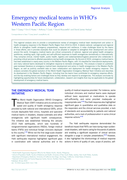
Western Pacific surveillance and response journal: WPSAR Vol.14 No. 6, Special Edition, pp.1-17

Emergency Medical Teams 2030 strategy
recommended
The Emergency Medical Teams (EMT) initiative plays a vital role in building this stronger and
more resilient global health emergency architecture, both by driving its formation and by
contributing to a rapidly deployable global health emergency corps. The Initiative and EMTs
bring something uniqu
...
e to health emergency preparedness and response – they bring
standards, professionalism, reliability, scalability, coordination, and the ability and willingness to
rapidly deploy wherever and whenever they are most needed. Most importantly, EMTs save lives.
more

Medical evacuation in emergencies
recommended
A guidance for medical teams and specialized care teams.
This guidance aims to provide a comprehensive framework for the safe and context-adapted coordination, clinical care, operations support and logistics relevant to governments, national authorities, including ministries of health, civil protec
...
tion and civil defence, national and international Emergency Medical Teams (EMTs), nongovernmental organizations (NGOs), Emergency Medical Services (EMS) and other key stakeholders operating in the medevac space, or wishing to build this kind of capacity. It defines minimum standards and recommendations for the development and classification of respective specialized care teams (SCTs). This is particularly relevant for contexts without pre-existing or functional prehospital or medevac systems, and can support country-level capacity building, regional and sub-regional planning, and the development of SCTs.
more

This document suggests mechanisms that countries can use to respond to emergencies and disasters taking a whole of society and whole of government approach ensuring multisectoral engagement for health actions. It helps to run a participatory process of developing the national health response operati
...
ons plan that brings together all relevant sectors, public health experts, civil society and the international community under government leadership and facilitate ownership, adoption, testing through simulation and finally successful implementation in responding to emergencies and disasters from multiple hazards.
more
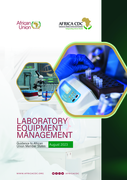
This document assembles these best practices and provides a resource for the proper management of equipment in the laboratory to ensure accurate, reliable and timely testing, and maintain a high level of laboratory performance. Improved equipment management also lowers repair costs, lengthens instru
...
ment life, reduces interruption of services due to breakdowns and failures, and enables laboratory accreditation and the achievement of high-quality and accessible laboratory services at all levels of healthcare service delivery.
more