
Filter
1909
Text search:
Mitigation
Featured
173
467
Language
Document type
688
511
280
148
142
50
41
35
6
4
3
1
Countries
112
67
59
40
40
38
33
33
32
31
30
28
28
27
27
26
24
21
21
21
20
20
19
19
17
17
16
15
14
13
13
13
12
11
11
10
10
10
10
10
9
9
9
9
8
8
7
7
7
6
6
6
5
5
5
5
5
5
5
4
4
4
4
4
4
3
3
3
3
3
3
3
3
3
2
2
2
2
2
2
2
2
2
1
1
1
1
1
1
1
1
1
1
1
1
1
1
1
1
1
1
1
1
1
1
1
Authors & Publishers
Publication Years
Category
751
219
86
45
37
19
13
Toolboxes
346
274
100
77
76
55
49
48
46
43
38
36
32
29
27
24
23
23
21
19
15
13
10
8
2
2
1

The purpose of this document is to provide public health advice to host governments, public health authorities, national or international organizers, and professional staff involved in the planning and delivery of gatherings, including people organizing smaller gatherings or attending gatherings of
...
Cholera is a diarrheal disease caused by the bacterium Vibrio cholera. The infection primarily spreads through contaminated water and food. Symptoms include the onset of acute diarrhea and/or vomiting, muscle cramps, and body weakness. If untreated, the infection can result in rapid dehydration and
...

The longlist of knowledge gaps is based on existing research agendas published in 2015 or later and expert input from reviewers of the first draft of the longlist. It only includes knowledge gaps focussing on a better
understanding of the relationship between global environmental change and human h
...
COVID-19 has altered health sector capacity in low-income and middle-income countries (LMICs). Cost data to inform evidence-based priority setting are urgently needed. Consequently, in this paper, we calculate the full economic health sector costs of COVID-19 clinical management in 79 LMICs under di
...

This document is a compilation of all questions, justifications, and sources used to determine the 2021 Global Health Security Index scores for Zambia. For a category and indicator-level summary, please see the Country Profile for Zambia.

Reprogramming examples for GC7. This document supports the introduction of climate change-related interventions
into programs to reduce transmission of malaria and protect vulnerable populations.

In recent decades we have seen progressive changes to global climate patterns caused by anthropogenic impacts on the environment. These are likely to directly and indirectly affect human health, and are projected to continue and potentially
accelerate into the future. Neglected tropical diseases (N
...

The text explains the concept of disaster preparedness and outlines how societies can better prepare for and respond to emergencies. It describes key components such as risk assessment, planning, resource management, warning systems, and training, emphasizing that effective preparedness requires coo
...

The present ‘Guideline for the assessment of health risks’ serves
to implement the theoretical principles mentioned in practice and,
therefore, assure the quality of risk assessments and other health
statements published by the BfR
The RRT Best Practices Manual
recommended
Key Components of Effective Rapid Response for Food and Feed Emergencies
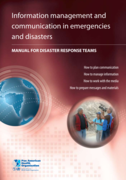
Key resources include the Manual for Disaster Response Teams, which helps experts plan public communication, exchange information, and manage media, ensuring crucial data reaches humanitarian actors

Manual with Scale
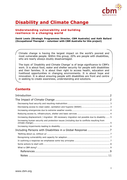
Climate change is having the largest impact on the world’s poorest and most vulnerable people. Within this group, 20% are people with disabilities, who are nearly always doubly disadvantaged.
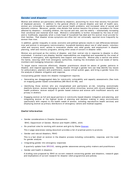



The Sphere Project strategy for working with regional partners, country focal points and resource persons.
