Filter
180
Text search:
Pets
Featured
18
33
Language
Document type
75
40
30
13
10
5
2
2
1
1
1
Countries
13
13
7
6
5
4
3
3
3
2
2
2
2
2
2
2
2
2
2
2
2
2
1
1
1
1
1
1
1
1
1
1
1
1
1
1
1
1
1
1
1
1
1
1
1
1
1
1
Authors & Publishers
Publication Years
Category
57
11
10
7
3
1
Toolboxes
23
17
15
11
10
10
10
8
7
7
5
5
4
3
3
3
3
2
2
2
1
1
1
This document addresses the risk of Ebola virus disease (EVD) to household pets, including dogs, and what, if any role, they may play in EVD transmission.
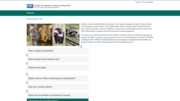
Rabies is a fatal but preventable viral disease. It can spread to people and pets if they are bitten or scratched by a rabid animal. In the United States, rabies is mostly found in wild animals like bats, raccoons, skunks, and foxes. However, in man
...

Rabies is transmitted when saliva or neural tissue of an infected animal is introduced into the body. Exposure can occur through a bite, scratch, or contact with saliva to broken skin or mucous membranes such as the eyes or mouth, BUT rabies is preventable! Vaccinations for your
...


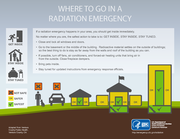
If a radiation emergency happens in your area, you should get inside immediately.
No matter where you are, the safest action to take is to: GET INSIDE. STAY INSIDE. STAY TUNED.
This guide is intended for shelter operators, planners, and staff, as well as emergency managers, public health professionals, and radiation protection professionals who participate in shelter planning and could be called upon to support shelter operations. This guide provides information on the inc
...
Purpose of these Guidelines
These guidelines are designed to help members of the public to provide first aid to someone who is at risk of suicide. The role of the first aider is to assist the person until appropriate professional help is received or the crisis resolves.
Development of these Guidel
...

The extensive use of antimicrobials in human and veterinary medicine in recent years has accelerated the emergence and spread of resistant microorganisms. This situation has been worsened by the lack of investment in developing new effective antibiotics. The severity of the consequences is clear to
...
Aviation plays an important role in humanitarian operations around the world, especially in countries where overland transport is difficult or impossible due to insecurity, damaged or inadequate infrastructure, and challenging climatic conditions. Aviation allows the transport of humanitarian aid wo
...
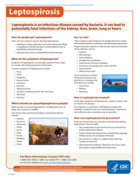
Leptospirosis is an infectious disease caused by bacteria. It can lead to potentially fatal infections of the kidney, liver, brain, lung or heart.
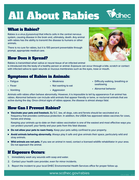
Rabies is a virus (Lyssavirus) that infects cells in the central nervous
system, causing disease in the brain and, ultimately, death. Any animal
with rabies has the ability to transmit the disease to humans or other
animals.
There is no cure for rabies, but it is 100 percent preventable through
...
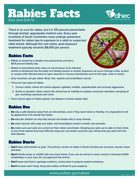
There is no cure for rabies, but it is 100 percent preventable through prompt, appropriate medical care. Every year hundreds of South Carolinians must undergo preventive treatment for rabies due to exposure to a rabid or suspected rabid animal. Although the cost varies, post-exposure treatment typic
...

Please read online the lastest updated versions http://www.cdc.gov/vhf/ebola/qa.html
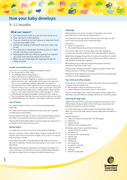
Information on what to expect of your baby as he/she grows and develops and safety concerns for your baby. Available in English, Arabic, Chinese, Spanish, Serbian and Vietnamese. For other language versions go to https://www.health.qld.gov.au/multicultural/public/child_hlth.asp#Infectious
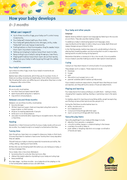
Information on what to expect of your baby as he/she grows and develops and safety concerns for your baby. Available in English, Arabic, Chinese, Spanish, Serbian and Vietnamese. For other language versions go to https://www.health.qld.gov.au/multicultural/public/child_hlth.asp#Infectious
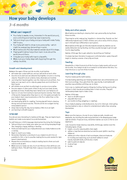
Information on what to expect of your baby as he/she grows and develops and safety concerns for your baby. Available in English, Arabic, Chinese, Serbian and Vietnamese. For other language versions go to https://www.health.qld.gov.au/multicultural/public/child_hlth.asp#Infectious
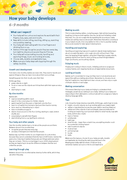
Information on what to expect of your baby as he/she grows and develops and safety concerns for your baby. Available in English, Arabic, Chinese, Spanish, Serbian and Vietnamese. For other language versions go to https://www.health.qld.gov.au/multicultural/public/child_hlth.asp#Infectious