
Filter
686
Text search:
Pandemics
Featured
71
57
Language
Document type
292
107
103
74
55
21
11
9
8
3
1
1
1
Countries
91
19
17
17
15
14
12
11
10
9
9
9
8
8
7
7
7
6
6
5
5
5
5
4
4
4
4
4
4
4
4
3
3
3
3
3
3
3
3
3
3
3
3
2
2
2
2
2
2
2
2
2
2
2
2
2
1
1
1
1
1
1
1
1
1
1
1
1
1
1
1
1
1
1
1
1
1
1
1
1
1
1
1
1
Authors & Publishers
Publication Years
Category
186
61
40
24
18
14
3
1
Toolboxes
231
66
64
50
30
23
20
19
18
18
17
16
12
10
9
9
9
7
6
5
5
4
1
1

Some observers have described the coronavirus pandemic as an 'Anthropocene disease,' thereby highlighting its connection with this new ecological era that is characterised by the considerable pressure human activities are exerting on ecosystems and the consequences on public health, society and the
...


Global Fund Strategy 2023-2028
Available in different languages from the website https://www.theglobalfund.org/en/publications/

The future is inherently uncertain, and while we hope to avoid another pandemic, hope alone is not a strategy. To ensure we are better prepared, it is important to proactively explore plausible futures through structured foresight exercises.

Building true health security in a global age. Findings and recommendations of the Global Council. In landmark findings based on two years of research and convenings around the world, the new report shows that high levels of inequality are linked to outbreaks becoming
...

It provides comprehensive guidance for logistics planners in humanitarian responses to pandemics, covering preparedness, response strategies, assessment methodologies, and operational planning.
Title: Global Project on Pandemic Prevention and Response, One Health
Commissioned by: German Federal Ministry for Economic Cooperation and Development (BMZ)
Country: Global
Overall term: 2021 to 2024
RCCE Readiness Kit aims to help non governmental organizations (NGOs) strengthen their disease outbreak preparedness to respond quickly and effectively to emerging epidemics and pandemics. While the kit is suitable for any NGO that responds to publi
...

The COVID-19 pandemic has raised profound ethical challenges on an unprecedented global scale. These challenges include how to allocate scarce resources (especially vaccines and therapeutics), both within and between countries, whether and when to mandate vaccines and/or masks, whether and how to co
...

International financing for health has been high on the political and global health agenda since COVID-19. The recent launch of the Pandemic Fund represents the first consolidated effort of the international community to mobilise additional voluntary financial resources for the purpose of strengthen
...

Through technical consultations with countries and partners, WHO has led the development of Preparedness and Resilience for Emerging Threats Module 1: Planning for respiratory pathogen pandemics. Version 1.0. The Module, currently available as an ad
...

Pandemics and outbreaks have differential impacts on women and men. From risk of exposure and biological susceptibility to infection to the social and economic implications, individuals’ experiences are likely to vary according to
...
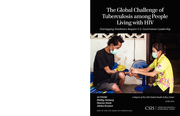
Overlapping Pandemics Require U.S. Goverment Leadership
A Report of the CSIS Global Health Policy Center
Part of the series on Tuberculosis
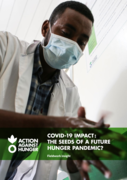
Previous pandemics have demonstrated that more people could die from the indirect consequences of an outbreak than from the disease itself. As the fight against the pandemic is pushing millions into poverty and hunger, COVID-19 will likely be no dif
...

Multiple pandemics, numerous outbreaks, thousands of lives lost and billions of dollars of national income wiped out—all since the turn of this century, in barely 17 years—and yet the world’s investments in pandemic preparedness and response r
...
Epidemics and pandemics of infectious diseases are occurring more often, and spreading faster and further than ever, in many different regions of the world. The background factors of this threat are biological, environmental and lifestyle changes, a
...
Epidemics and pandemics of infectious diseases are occurring more often, and spreading faster and further than ever, in many different regions of the world. The background factors of this threat are biological, environmental and lifestyle changes, a
...

Epidemics and pandemics are some of the biggest threats to a safe and healthy world. But with effective preparedness and response measures, we can reduce their impacts and even stop them in their tracks.
Through the Programmatic Partnership with
...
