
Filter
1474
Countries:
Global
Featured
59
44
Language
Document type
462
263
151
125
122
79
73
55
44
31
21
18
12
11
7
Countries
1474
22
16
14
12
12
9
9
8
8
7
7
7
6
6
6
6
5
5
5
4
4
4
4
4
4
4
3
3
3
3
2
2
2
2
2
2
2
2
2
2
2
2
2
1
1
1
1
1
1
1
1
1
1
1
1
1
1
1
1
1
1
1
1
1
1
1
1
1
1
1
1
1
1
1
1
1
1
Authors & Publishers
Publication Years
Category
353
85
46
34
27
26
23
18
14
14
12
12
11
10
10
9
9
9
9
8
8
8
8
7
7
7
7
7
7
6
6
5
5
5
5
5
5
4
4
4
4
4
4
4
4
4
4
3
3
3
3
3
3
3
3
3
3
3
3
3
3
2
2
2
2
2
2
2
2
2
2
2
2
2
2
2
2
2
2
2
2
2
2
2
2
1
1
1
1
1
1
1
1
1
1
1
1
1
1
1
1
1
1
1
1
1
1
1
1
1
Toolboxes
145
64
56
36
35
35
32
27
24
24
24
23
23
20
19
19
17
17
16
16
14
14
13
13
12
12
12
12
11
11
11
11
11
11
11
10
10
9
9
9
9
9
9
9
9
9
9
8
8
8
8
7
7
7
7
7
7
7
7
7
7
7
7
7
7
7
7
6
6
6
6
6
6
6
6
6
6
6
6
6
6
6
5
5
5
5
5
5
5
5
5
5
5
5
5
5
5
5
5
5
5
5
5
5
5
5
5
5
4
4
4
4
4
4
4
4
4
4
4
4
4
4
4
4
4
4
4
4
4
4
4
4
4
4
4
4
4
4
4
4
4
4
3
3
3
3
3
3
3
3
3
3
3
3
3
3
3
3
3
3
3
3
3
3
3
3
3
3
3
3
3
3
3
3
3
3
3
3
3
3
3
3
3
2
2
2
2
2
2
2
2
2
2
2
2
2
2
2
2
2
2
2
2
2
2
2
2
2
2
2
2
2
2
2
2
2
2
2
2
2
2
2
2
2
2
2
2
2
2
2
2
2
2
2
2
2
2
2
2
2
2
2
2
2
2
2
2
2
2
1
1
1
1
1
1
1
1
1
1
1
1
1
1
1
1
1
1
1
1
1
1
1
1
1
1
1
1
1
1
1
1
1
1
1
1
1
1
1
1
1
1
1
1
1
1
1
1
1
1
1
1
1
1
1
1
1
1
1
1
1
1
1
1
1
1
1
1
1
1
1
1
1
1
1
1
1
1
1
1
1
1
1
1
1
1
1
1
1
1
1
1
1
1
1
1
1
1
1
1
1
1
1
1
1
1
1
1
1
1
1
1
1
1
1
1
1
1
1
1
1
1
1
1
1
1
1
1
1
1
1
1
1
1
1
1
1
1
1
1
1
1
1
1
1
1
1
1
1
1
1
1
1
1
1
1
1
1
1
1
1
1
1
1
1
1
1
1
1
1
1
1
1
1
1
1
1
1
1
1
1
1
1
1
The WHO Eastern Mediterranean Region's Noncommunicable Diseases (NCD) Data and Statistics page offers comprehensive information on NCD surveillance, including mortality rates, morbidity, and risk factor exposures. It emphasizes the importance of monitoring NCD trends to inform prevention and control
...
The World Health Organization (WHO) provides a collection of case studies titled "Stories from the Field," highlighting global efforts to prevent and control noncommunicable diseases (NCDs) such as cancer, diabetes, heart, and lung diseases. These narratives showcase how various countries implement
...
The World Health Organization (WHO) has developed the "Implementation Roadmap 2023–2030" to advance the Global Action Plan for the Prevention and Control of Noncommunicable Diseases (NCDs) 2013–2030. This roadmap addresses the recommendations from the mid-term evaluation of the original action p
...
The WHO EMRO webpage on the "Regional framework for action" outlines strategies for addressing noncommunicable diseases (NCDs) within the Eastern Mediterranean region. The framework provides a roadmap for countries to reduce the prevalence and impact of NCDs such as cardiovascular diseases, diabetes
...
People with diabetes mellitus are at an increased risk for foot ulcerations as a result of poorly controlled blood glucose which may lead to gangrene. These patients are at a high risk for lower limb amputations, higher healthcare costs, and lower quality of life. This course aims to cover the preve
...
This course aims to provide information on the basic understanding of palliative care and the elements of service program for delivering palliative care. The course contents will also include the considerations in managing signs, symptoms and assessing the patient as well as communicating with the p
...
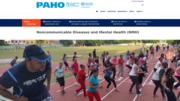
The Department of Noncommunicable Diseases and Mental Health (NMH) is responsible for promoting, coordinating, and implementing technical cooperation activities related to the prevention, control, and surveillance of noncommunicable diseases, all forms of malnutrition, mental health, neurological an
...
Chronic noncommunicable diseases (NCDs) are the number one cause of death and disability in the world. The term NCDs refers to a group of conditions that are not mainly caused by an acute infection, result in long-term health consequences and often create a need for long-term treatment and care. The
...

Chronic noncommunicable diseases (NCDs) are the number one cause of death and disability in the world.
The term NCDs refers to a group of conditions that are not mainly caused by an acute infection, result in long-term health consequences and often create a need for long-term treatment and care.
...
Noncommunicable diseases (NCDs) or Chronic noncommunicable diseases (NCDs) are the 1st cause of death and disability worldwide.
The term NCDs refers to a group of conditions that are not mainly caused by an acute infection, result in long-term health consequences and often create a need for long-
...

WHO Package of Essential NCD interventions will help to improve the coverage of appropriate services for people with NCDs services in primary care settings. The HEARTS technical package provides a strategic approach to improving cardiovascular health in countries in primary care settings.
Readily access selected guidelines, reports and other knowledge resources to enhance evidence-informed, multisectoral, and multistakeholder initiatives in NCD prevention and control – curated by WHO's Global NCD Platform and supported by GCM Participants.
An integrated approach is particularly important for low-resource settings for efficient use of limited resources. The course contents will include risk factors, clinical course, guidance and protocols for diagnosis, management and referral as needed for NCDs in PHC. SEARO NCD PEN-HEARTS is a series
...
The course aims to cover the types of NCDs and risk factors, the challenges of delivering NCD services in primary health care, elements of WHO technical packages (PEN and HEARTS) for NCDs and how to adapt these packages in primary health care.
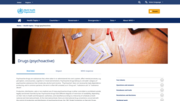
Psychoactive drugs are substances that, when taken in or administered into one's system, affect mental processes, e.g. perception, consciousness, cognition or mood and emotions. Psychoactive drugs belong to a broader category of psychoactive substances that include also alcohol and nicotine. “Psy
...

The Defeat-NCD Partnership prioritises poorer countries because they bear the brunt of the enormous impact of NCDs with some 48% of premature deaths occurring in low and lower-middle income countries. The resident of a low-income country faces a lifetime chance of 20-30% of dying from an NCD under t
...

The Johns Hopkins Medicine webpage on occupational lung diseases provides an overview of lung conditions caused by exposure to harmful substances in the workplace. It explains various types of occupational lung diseases, including asbestosis, silicosis, coal workers' pneumoconiosis, and hypersensiti
...

The "Cystic Fibrosis Fact Sheet" by the National Heart, Lung, and Blood Institute provides an overview of cystic fibrosis (CF), a chronic and often fatal genetic disorder affecting the respiratory and digestive systems. The document outlines the causes, genetic inheritance patterns, and symptoms of
...
The South African Cystic Fibrosis Association (SACFA) is a non-profit organization dedicated to supporting individuals with cystic fibrosis (CF) in South Africa. Their website provides comprehensive information about CF, including its causes, symptoms, and treatment options. CF is described as an in
...

Indoor air pollution is caused by burning solid fuel sources – such as firewood, crop waste, and dung – for cooking and heating.
Burning such fuels, particularly in poor households, results in air pollution that leads to respiratory diseases, which can result in premature death. The WHO calls
...
