
Filter
236
Featured
24
6
Language
Document type
56
55
23
19
19
15
13
10
8
7
5
5
1
Countries / Regions
71
12
7
6
4
4
3
3
2
2
2
2
2
2
2
2
2
1
1
1
1
1
1
1
1
1
1
1
1
1
1
1
1
1
Authors & Publishers
Publication Years
Category
65
11
10
10
9
7
7
6
5
5
5
4
4
4
3
3
2
2
2
2
2
2
2
1
1
1
1
1
1
1
1
1
1
1
1
1
1
1
1
1
1
Toolboxes
16
15
14
12
11
10
9
8
8
7
7
7
7
6
6
6
5
5
5
5
5
5
4
4
4
4
4
4
4
3
3
3
3
3
3
3
3
3
2
2
2
2
2
2
2
2
2
2
2
2
2
2
2
2
2
1
1
1
1
1
1
1
1
1
1
1
1
1
1
1
1
1
1
1
1
1
1
1
1
1
1
1
1
1
1
1
1
1
1
1
1
1
1
1
1
1
1
1
1
1
1
1
1
1
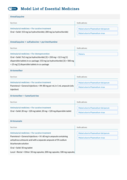
Model List of Essential Medicines eEML
recommended
The eEML is a comprehensive, freely accessible online database containing information on essential medicine

WHO guideline on balanced national controlled medicines policies to ensure medical access and safety
Access to medicines is essential for attainment of universal health coverage, which is central to achievement of the health-related Sustainable Development Goals. Controlled medicines include those such as opioids, benzodiazepines, barbiturates, amphetamines and others with identified or emergent cl
...
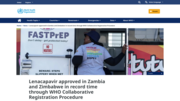
Informed reliance speeds national approvals, bringing innovative HIV prevention to people faster

Developed through broad and inclusive consultation, and aligned with the WHO Global Health Sector Strategies and the Sustainable Development Goals, the framework promotes a people-centred approach and antimicrobial stewardship across 5 key domains: prevention and response, surveillance, research and
...
Treatment adherence includes starting HIV treatment, keeping all medical appointments, and taking HIV medicines exactly as prescribed. For people with HIV, treatment adherence is key to staying healthy.

The information in the brief version is excerpted directly from the full-text guidelines. The brief version is a compilation of the tables and boxed recommendations.

Panel Recommendations

WHO updated recommendations on HIV clinical management: recommendations for a public health approach
recommended
This document provides an overview of the updated World Health Organization recommendations for HIV clinical management, which focus on optimizing antiretroviral therapy, preventing vertical transmission, and enhancing tuberculosis prevention among individuals with HIV. These updates are intended to
...
IAPAC provides guidance to clinicians and allied health professionals through normative guidance that encapsulates evidence-based approaches to optimizing the prevention, care, treatment, and support services delivered to people living with HIV
Guidelines for the Prevention and Treatment of Opportunistic Infections in Adults and Adolescents With HIV
recommended
The Guidelines for the Prevention and Treatment of Opportunistic Infections in Adults and
Adolescents With HIV document is published in an electronic format and updated as relevant changes
in prevention and treatment recommendations occur.
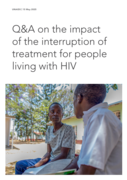
Questions and answers. A key priority is preventing the interruption of current HIV treatment and prevention medicines. This Q&A outlines advice when this is not possible. Available in Arabic, Chinese, English, French, Portuguese, Russian and Spanish
Slightly more than half of children under 15 years of age living with HIV are on antiretroviral medications
The information in the brief version is excerpted directly from the full-text guidelines. The brief version is a compilation of the tables and boxed recommendations. The guidelines were updated to comply with Executive Orders. You can download the full guidelines, charts and recommendations
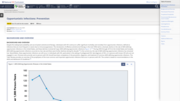
National HIV Curriculum
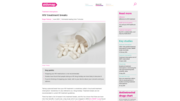
This page discusses the scientific research on treatment breaks as well as the possible risks.
Nature communications, 16, 906 (2025). https://doi.org/10.1038/s41467-025-56116-1
Recent suspensions and reductions in official development assistance (ODA) have posed significant challenges to HIV programme continuity in several countries. These funding disruptions have impacted people living with HIV and other vulnerable populations
who rely on these essential services, like a
...
In: Primary Care for Adults With HIV
Swiss Medical Weekly Vol. 155 No. 9 (2025) VOT showed a high rate of acceptance by patients and specialised nurses in our area and appears to be a feasible alternative to DOT
