
Filter
187
Featured
1
Language
Document type
94
32
12
11
11
9
7
6
2
1
1
1
Countries / Regions
133
27
5
3
3
2
2
1
1
1
1
1
1
1
Authors & Publishers
Publication Years
Category
173
4
3
2
2
1
1
1
1
1
Toolboxes
38
29
17
16
16
10
9
9
6
5
5
4
3
3
3
2
2
2
1
1
1
1
1
1
1
1
1
1
1
1
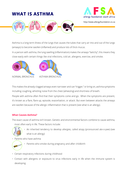
Asthma is a long term illness of the lungs that causes the tubes that carry air into and out of the lungs (airways) to become swollen (inflamed) and produce lots of thick mucus.
In a person with asthma, the lung swelling (inflammation) makes the airways “twitchy”; this means they close easily
...
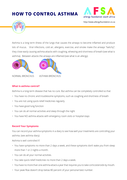
Asthma is a long term illness of the lungs that causes the airways to become inflamed and produce lots of mucus. Viral infections, cold air, allergens, exercise, and smoke make the airways “twitchy”; they close easily causing asthma attacks with coughing, wheezing and shortness of breath (see wh
...

Using an inhaler is the most common and effective way of taking asthma medicines. If you’re NOT using your inhaler correctly, you might not be getting the full dose of medicine your doctor or asthma nurse prescribed because the medicine can’t reach your
lungs. Instead it might be hitting the ba
...

Asthma is a chronic (long-term) lung condition that affects your airways or bronchial tubes. It can cause your airways to narrow and their lining to swell and to produce extra mucus, which makes it more difficult to breathe. The narrowing of the airways causes you to feel short of breath, wheeze, or
...
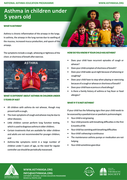
Asthma is chronic inflammation of the airways in the lungs.
In asthma, the airways in the lung narrow due to swelling of
the mucosa, increased mucus production, and spasm of the airways.

South Africa has possibly the highest incidence of malignant mesothelioma anywhere, thanks to more than a century of mining asbestos in the Northern Cape, North- West, Limpopo and Mpumulanga provinces. There are three types of asbestos and all were mined in South Africa; the most carcinogenic is cro
...

Diabetes is a chronic, metabolic disease characterized by elevated levels of blood glucose (or blood sugar), which leads over time to serious damage to the heart, blood vessels, eyes, kidneys and nerves. The most common is type 2 diabetes, usually in adults, which occurs when the body becomes resist
...

Diabetes is a chronic disease that occurs either when the pancreas does not produce enough insulin or when the body cannot effectively use the insulin it produces. Insulin is a hormone that regulates blood glucose. Hyperglycaemia, also called raised blood glucose or raised blood sugar, is a common e
...

Le nombre de personnes atteintes de diabète est passé de 108 millions en 1980 à 422 millions en 2014

Diabetes is a chronic disease that occurs either when the pancreas does not produce enough insulin or when the body cannot effectively use the insulin it produces. Insulin is a hormone that regulates blood glucose. Hyperglycaemia, also called raised blood glucose or raised blood sugar, is a common e
...

Diabetes is a chronic disease that occurs either when the pancreas does not produce enough insulin or when the body cannot effectively use the insulin it produces. Insulin is a hormone that regulates blood glucose. Hyperglycaemia, also called raised blood glucose or raised blood sugar, is a common e
...
The World Health Organization's fact sheet on noncommunicable diseases (NCDs) highlights that NCDs, such as cardiovascular diseases, cancers, chronic respiratory diseases, and diabetes, are responsible for 74% of all global deaths, totaling 41 million annually. Notably, 86% of premature NCD deaths (
...
The Noncommunicable Diseases (NCD) Data Portal provides comprehensive information on NCDs, including cardiovascular diseases, cancer, diabetes, and chronic respiratory diseases. It offers country-specific data on mortality rates, risk factors, and national responses, enabling analysis and comparison
...
The Noncommunicable Diseases (NCD) Data Portal provides comprehensive information on NCDs, including cardiovascular diseases, cancer, diabetes, and chronic respiratory diseases. It offers country-specific data on mortality rates, risk factors, and national responses, enabling analysis and comparison
...
The Noncommunicable Diseases (NCD) Data Portal provides comprehensive information on NCDs, including cardiovascular diseases, cancer, diabetes, and chronic respiratory diseases. It offers country-specific data on mortality rates, risk factors, and national responses, enabling analysis and comparison
...
The NCD Alliance website provides information and resources on preventing and controlling non-communicable diseases (NCDs), including cardiovascular diseases, cancer, respiratory diseases, diabetes, and mental health conditions. The Alliance advocates for global health policies, supports countries i
...

The document is a policy brief by the NCD Alliance for the 2023 United Nations High-Level Meeting on Universal Health Coverage (UHC). It highlights the importance of integrating non-communicable diseases (NCDs) into UHC efforts, with the goal of ensuring equitable health access worldwide.
The report "Assessing National Capacity for the Prevention and Control of Noncommunicable Diseases" provides an overview of the capacities of countries in the Eastern Mediterranean Region to address noncommunicable diseases (NCDs) based on a 2019 survey. It evaluates the progress of 22 countries in
...
The "Global mapping report on multisectoral actions to strengthen the prevention and control of noncommunicable diseases (NCDs) and mental health conditions" by the WHO provides insights into how different countries are implementing multisectoral approaches to address NCDs and mental health issues.
...
