
Filter
135
Featured
1
Language
Document type
61
16
12
8
8
6
5
5
4
4
3
2
1
Countries
3
3
2
1
1
1
1
1
1
1
Authors & Publishers
Publication Years
Category
47
12
3
2
1
1
The document systematically examines dietary and lifestyle factors influencing non-communicable diseases (NCDs) in the Western Pacific region. It highlights regional nutrition transitions, including dietary improvements like increased fruit and vegetable consumption and reduced salt intake, alongsid
...
The WHO Eastern Mediterranean Region webpage discusses the impact of unhealthy diets on non-communicable diseases (NCDs) such as cardiovascular diseases, cancer, and diabetes. It highlights unhealthy eating as a major risk factor for these conditions and recommends increasing the consumption of frui
...
Age-standardized estimates of current tobacco use, tobacco smoking and cigarette smoking (Tobacco control: Monitor)
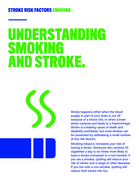
Stroke happens either when the blood supply to part of your brain is cut off because of a blood clot, or when a brain
artery ruptures and leads to a haemorrhage. Stroke is a leading cause of death and disability worldwide, but most strokes can
be prevented by addressing a small number of key risk
...

Young people across the world are urging governments to shield them from predatory tobacco marketing tactics. The industry targets youth for a lifetime of profits, creating a new wave of addiction. The latest data show that children are using e-cigarettes at rates higher than adults in many countrie
...

Poor diets are the major cause of death and disease globally, driving high levels of obesity and noncommunicable diseases. Cheap, heavily marketed, ultra-processed, energy-dense and nutrient-poor food and drinks that are high in fat, sugar and salt play a major role. The high-sugar content of these
...

Just under 2.5 million people die annually due to alcohol use. This global estimate, however, excludes most of the health burden
borne by others than the alcohol user. Alcohol’s harm to others includes a multitude of conditions, such as trauma from traffic crashes, fetal disorders due to prenatal
...

Vanny Reis talks to Gary Humphreys about the transformative power of sport and physical activity in improving health
and well-being throughout people’s lives.
The Global status report on alcohol and health and treatment of substance use disorders presents a comprehensive overview of alcohol consumption, alcohol-related harm and policy responses as well as treatment capacities for alcohol and drug use disorders worldwide. The report is based on data collec
...
La contaminación del aire exterior representa un importante riesgo medioambiental para la salud que afecta a todas las personas en los países de ingreso bajo, mediano y alto.
A systematic review of connections between climate change, globalization and NCD'S
This guideline provides evidence-informed guidance on the use of non-sugar sweeteners to reduce the risk of unhealthy weight gain and diet-related noncommunicable diseases in adults and children. The guidance in this guideline is not based on toxicological assessments of the safety of individual no
...
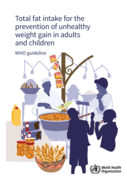
This guideline provides updated, evidence-informed guidance on the percentage of total fat in the diet to reduce the risk of unhealthy weight gain.
This guideline is intended for a wide audience involved in the development, design and implementation of policies and programmes in nutrition and pub
...

The term NCDs refers to a group of conditions that are not mainly caused by an acute infection, result in long-term health consequences and often create a need for long-term treatment and care. These conditions include cancers, cardiovascular disease, diabetes and chronic lung illnesses.
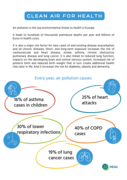
Air pollution is the top environmental threat to health in Europe. It leads to hundreds of thousands premature deaths per year and billions of Euros in health costs.
Air pollution is one of the leading causes of health complications and mortality worldwide, especially affecting lower-income groups, who tend to be more exposed and vulnerable. This study documents the relationship between ambient air pollution exposure and poverty in 211 countries and territories.
...
The World Health Organization (WHO) highlights the significant health risks associated with household air pollution, primarily resulting from the use of inefficient and polluting fuels and technologies for cooking, heating, and lighting. In 2020, approximately 2.1 billion people—about one-third of
...
Background: The impacts of air pollutants on health range from short-term health impairments to hospital admissions
and deaths. Climate change is leading to an increase in air pollution.

Alcohol consumption is deeply embedded in the social landscape of many societies. Several major factors have an impact on levels and patterns of alcohol consumption in populations – such as historical trends in alcohol consumption, the availability of alcohol, culture, economic status and trends i
...
This short brief describes the main findings and the key lessons learned from the research project "Evaluation of the impact of alcohol control policies on morbidity and mortality in Lithuania and other Baltic states", funded by the United States National Institute on Alcohol Abuse and Alcoholism fo
...
