
Filter
78
Filtered Results: 78
Text search:
PrEP
Watch
Featured
Recommendations
5
New Publications
15
Language
Document type
No document type
37
Studies & Reports
17
Guidelines
10
Strategic & Response Plan
4
Manuals
3
Brochures
2
Fact sheets
2
Training Material
1
Situation Updates
1
Resource Platforms
1
Countries / Regions
Asia
5
Malawi
3
Global
3
Zambia
3
Germany
2
Kenya
1
Lesotho
1
Cameroon
1
Nigeria
1
Mozambique
1
Africa
1
Guinea-Bissau
1
South Africa
1
Brazil
1
Russia
1
Angola
1
India
1
Myanmar / Burma
1
Authors & Publishers
Publication Years
Category
Countries
12
Clinical Guidelines
5
Public Health
1
Women & Child Health
1
Pharmacy & Technologies
1
Toolboxes
HIV
48
Refugee
2
Disability
2
Specific Hazards
1
Cholera
1
COVID-19
1
Caregiver
1
Planetary Health
1
Health Financing Toolbox
1
2.0 Rapid Response
1
AMR
1
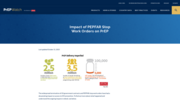
Impact of PEPFAR Stop Work Orders on PrEP
recommended
The widespread termination of US government contracts and PEPFAR stop work orders have had a devastating impact on access to HIV prevention. To find out more about what happened and understand the ongoing impacts in detail, click on the link
This brief from Audere and AVAC explains how artificial intelligence (AI) can support the HIV field by expanding reach, enhancing prevention, and improving care.

Evidence shows that oral pre-exposure prophylaxis (PrEP) reduces the risk of contracting HIV during sexual intercourse by more than 90% when taken daily. It is for this reason the National HIV Prevention Strategy 2015-2020 (2018 Revision) emphasises the role of preexposure prophylaxis (PrEP) in ...

Module 1q
PrEP users
July 2017
Module 11: PrEP users. This module provides information for people who are interested in taking PrEP to reduce their risk of acquiring HIV and people who are already taking PrEP – to support them in their choice and use of PrEP. This module gives ideas for cou...
Module 1
Clinical
July 2017
Module 1: Clinical. This module is for clinicians, including physicians, nurses and clinical officers. It gives an overview of how to provide PrEP safely and effectively, including: screening for substantial risk of HIV; performing appropriate testing before initi...
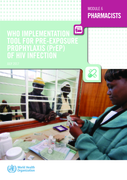
Module 6
Pharmacists
July 2017
Module 6: Pharmacists. This module is for pharmacists and people working in pharmacies. It provides information on the medicines used in PrEP, including on storage conditions. It gives suggestions for how pharmacists and pharmacy staff can monitor PrEP adherence...

Module 3
Counsellors
July 2017
Module 3: Counsellors. This module is for staff who counsel people as they consider PrEP or start taking PrEP and support them in coping with side-effects and adherence strategies. Those who counsel PrEP users may be lay, peer or professional counsellors and hea...
The uneven distribution of HIV risks and burdens across populations is a well-substantiated fact, though seldom publicly acknowledged. Gay men and other men who have sex with men, people who inject drugs, sex workers, and transgender women are 24, 24, 13.5, and 49 times more likely to acquire HIV, ...

World Health Organization Department of Reproductive Health and Research
Brocher Foundation, Hermance, Geneva, Switzerland, 27–29 April 2016

Substantial progress in the fight against HIV has been made over the past decade. Advances in HIV prevention, testing, and treatment have been matched by declines in HIV incidence and HIV-related deaths. The success of Botswana reaching the 95-95-95 targets, despite resource limitations, points to a...

Technical Note on Antimicrobial Resistance
This document reflects UNICEF’s response to the growing global threat of AMR to child survival, growth and development. It identifies UNICEF’s AMR-specific and AMR-sensitive actions in reducing infections, promoting access to and optimal use of antimic...

The checklist and reference list has two parts: high-level cross-cutting content (Part A) and specific programme content (Part B). Part A applies to all countries and contains situation and response analysis, the NSP development process, the goal, targets and priority-setting of the NSP and the prin...
