
Filter
2700
Filtered Results: 2700
Text search:
tb
diagnostic
Featured
Recommendations
268
New Publications
715
Language
Document type
No document type
1625
Studies & Reports
372
Guidelines
367
Manuals
117
Strategic & Response Plan
100
Fact sheets
47
Training Material
33
Situation Updates
17
Infographics
10
Brochures
6
Resource Platforms
5
Online Courses
1
Countries / Regions
India
128
Western and Central Europe
90
Global
79
Kenya
77
South Africa
59
Tanzania
52
Eastern Europe
52
Uganda
51
Ethiopia
47
Zambia
47
Latin America and the Carribbean
44
Namibia
44
Nepal
43
Malawi
43
Senegal
41
Africa
40
Nigeria
39
Sierra Leone
38
Liberia
35
Peru
33
Ghana
32
Rwanda
32
Colombia
31
Bangladesh
30
Ukraine
27
Congo, Democratic Republic of
26
Myanmar / Burma
26
Cambodia
24
Paraguay
24
Argentina
24
Indonesia
24
Mozambique
22
Germany
22
Zimbabwe
20
Haiti
20
South–East Asia Region
19
El Salvador
18
Philippines
18
Asia
18
Brazil
18
Lesotho
17
Benin
16
Bolivia
15
Burkina Faso
14
Russia
14
Venezuela
11
Botswana
11
Cameroon
10
East and Southern Africa
10
Central African Republic
10
Madagascar
10
Pakistan
10
Ecuador
9
Eswatini/ Swaziland
9
West and Central Africa
8
Chile
7
Georgia
7
Syria
6
Angola
6
Guinea
5
Armenia
5
Uruguay
5
South Sudan
5
Tajikistan
4
Albania
4
Afghanistan
4
Middle East and North Africa
4
Eastern Europe and Central Asia
4
Sudan
4
Timor Leste/ East Timor
3
Thailand
3
Iran
3
Estonia
3
Jordan
3
Western Pacific Region
3
North America
3
Lebanon
3
Vietnam
3
Sri Lanka
3
Bhutan
3
Iraq
3
North Macedonia
2
Laos
2
Burundi
2
Morocco
2
Dominican Republic
2
Guinea-Bissau
2
Saudi Arabia
2
Côte d’Ivoire / Ivory Coast
2
Papua New Guinea
2
Nicaragua
2
Moldova
2
Romania
2
Honduras
2
Guatemala
2
North Korea
1
Mexico
1
Gambia
1
Togo
1
Niger
1
Mongolia
1
Qatar
1
Bulgaria
1
USA
1
Hungary
1
Ireland
1
Gabon
1
Turkmenistan
1
Belgium
1
Maldives
1
Tunisia
1
Spain
1
Belarus
1
Southern Africa
1
Belize
1
Costa Rica
1
Panama
1
Djibouti
1
Egypt
1
Yemen
1
Greece
1
Palestine
1
Poland
1
Mali
1
Chad
1
Libya
1
Somalia
1
Solomon Islands
1
Authors & Publishers
Publication Years
Category
Countries
1217
Clinical Guidelines
221
Public Health
85
Women & Child Health
49
Key Resources
46
Pharmacy & Technologies
43
Capacity Building
21
Annual Report MEDBOX
2
Toolboxes
TB
769
HIV
309
AMR
119
COVID-19
84
NTDs
79
Mental Health
55
Pharmacy
42
Caregiver
39
Ebola & Marburg
32
Refugee
31
Health Financing Toolbox
29
NCDs
28
Polio
23
Global Health Education
23
Rapid Response
20
Conflict
18
Malaria
16
Disability
13
2.0 Rapid Response
10
Planetary Health
7
Specific Hazards
4
Natural Hazards
4
Cholera
4
Zika
2
Revided Version
September 2013
WHO has a unique combination of technical public health and scientific expertise, and a global operational footprint, with field offices in more than 150 countries. In 2020, this global, technical, and operational reach meant WHO was able to support countries around the world in every aspect of COVI...
Как и руководство 2006 года, настоящий документ предназначен для специалистов,
занимающихся разработкой государственных программ по борьбе с туберкулезом, педиатр...

Mpox can spread in humans through close contact, usually skin-to-skin contact, including sexual contact, with an infected person or animal, as well as with materials contaminated with the virus such as clothing, beddings and towels, and respiratory droplets in prolonged face to face contact. People ...
Evaluation report
January 2014
Celebrating ten years of success 2004-2014


The National Department of Health and Department of Agriculture, Forestry and Fisheries have collectively engaged to determine the key interventions that will form the basis for this strategy taking into account the recommendations from the WHO and OIE.
The development and implementation of a Natio...
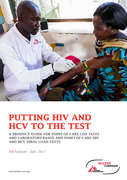
3rd Edition – July 2017
www.msfaccess.org

31 Oct 2022 his plan outlines how the ACT-Accelerator will support countries as the world transitions to long-term COVID-19 control.
Recognizing the evolving nature of the COVID-19 virus and pandemic, the plan outlines changes to ACT-A’s set-up and ways of working, to ensure countries co...
Case Manangement Training Modules

It is against this background that the Ministry of Health and Sanitation with its partners have
taken the lead to develop Essential Health Services Package (EHSP). The MOHS believes that the
development of EHSP; defining the services that should be available at each level of care
(community to ...

The increasing global trend of Antimicrobial resistance (AMR) has gradually emerged as a major public health challenge for the entire world. AMR has spread to almost all countries and regions, including Pakistan owing to the “misuse and overuse” of Antimicrobials, contributing to the increasing ...


Globally, approximately 56.8 million people are in need of palliative care
services; 78% of them living in low and middle-income country yet only
about 12% have their needs being met causing great suffering for many.

