
Filter
2596
Filtered Results: 2596
Text search:
sexual
and
gender
based
violence
Featured
Recommendations
199
New Publications
684
Language
Document type
No document type
1569
Studies & Reports
442
Guidelines
227
Strategic & Response Plan
123
Manuals
102
Situation Updates
40
Training Material
36
Fact sheets
35
Infographics
11
Brochures
6
Resource Platforms
3
App
1
Online Courses
1
Countries / Regions
Global
107
Kenya
90
India
88
Syria
66
Uganda
59
Myanmar / Burma
55
Zambia
54
Nigeria
53
Nepal
49
Malawi
49
South Africa
47
South Sudan
47
Bangladesh
46
Liberia
46
Ukraine
42
Sierra Leone
42
Rwanda
42
Congo, Democratic Republic of
41
Ethiopia
40
Latin America and the Carribbean
39
Tanzania
35
Africa
30
Namibia
30
Western and Central Europe
29
Lesotho
27
Philippines
25
Venezuela
25
Lebanon
25
Mozambique
23
Haiti
23
Indonesia
22
Zimbabwe
20
Colombia
19
Ghana
17
Cambodia
16
Central African Republic
16
Asia
15
Afghanistan
14
East and Southern Africa
14
Yemen
14
Burkina Faso
13
Germany
13
South–East Asia Region
13
Russia
12
Botswana
12
Senegal
11
Guinea
9
Jordan
9
Somalia
9
Middle East and North Africa
8
Brazil
8
West and Central Africa
7
Eastern Europe
7
Sudan
7
Eswatini/ Swaziland
7
Pakistan
7
Eastern Europe and Central Asia
6
Moldova
6
Palestine
6
Iraq
6
Thailand
5
Turkey
5
Albania
5
Sri Lanka
5
Georgia
5
Mali
5
Tajikistan
4
Mexico
4
Cameroon
4
Peru
4
Western Pacific Region
4
Southern Africa
4
Papua New Guinea
4
Greece
4
Timor Leste/ East Timor
3
China
3
Chile
3
Niger
3
Hungary
3
Paraguay
3
Egypt
3
Romania
3
Poland
3
Libya
3
North Macedonia
2
Iran
2
Canada
2
Laos
2
Kyrgyzstan
2
Burundi
2
Bulgaria
2
Armenia
2
Portugal
2
Belarus
2
Argentina
2
Vietnam
2
Honduras
2
Angola
2
Switzerland
1
Serbia
1
Benin
1
Togo
1
Fiji
1
Singapore
1
Malaysia
1
Morocco
1
Mongolia
1
USA
1
Guinea-Bissau
1
Croatia
1
Lithuania
1
Ireland
1
Turkmenistan
1
Jamaica
1
Japan
1
Belgium
1
Tunisia
1
Norway
1
Spain
1
Algeria
1
Azerbaijan
1
Bosnia and Herzegovina
1
Slovakia
1
Bhutan
1
Authors & Publishers
Publication Years
Category
Countries
1025
Women & Child Health
249
Key Resources
168
Public Health
96
Clinical Guidelines
59
Capacity Building
58
Annual Report MEDBOX
1
Toolboxes
HIV
389
Mental Health
273
COVID-19
189
Conflict
169
Disability
163
Refugee
131
Global Health Education
46
Natural Hazards
45
Caregiver
37
Planetary Health
34
Ebola & Marburg
33
TB
31
Health Financing Toolbox
26
NTDs
8
Rapid Response
6
Social Ethics
6
2.0 Rapid Response
6
Zika
5
Polio
5
AMR
3
Specific Hazards
2
Pharmacy
2
NCDs
2
South Sudan
1
Cholera
1
Typhoon
1

The health and socioeconomic crisis triggered by the COVID-19 pandemic has hit the countries of Latin America hard and laid bare the profound inequities about which numerous international, regional and national reports have sounded warnings in recent decades. In this context, the historical politica...


ith a view to support the monitoring and reporting on the denial of humanitarian access against children, the Office of the Special Representative of the Secretary-General for Children and Armed Conflict and UNICEF publish today* a guidance note offering new tools to practitioners to better address ...
The regional Migrant Response Plan (MRP) for the Horn of Africa and Yemen includes urgent life-saving humanitarian and protection interventions to improve safe and dignified access to basic services for migrants and host communities while ensuring medium- to long-term actions aimed at addressing the...


This document is one of eight PDF documents that comprise the Guidance on Child-focused Victim
Assistance. All are available in PDF at

Adolescence, defined as the period between 10 and 19 years of age, is a developmental stage during which many psychosocial and mental health challenges emerge. There is a well-established link between mental health and HIV outcomes. Adolescents and young adults living with HIV typically have additio...
Report
A Project of the Joep Lange Institute July, 2018

Despite the existence of criminal law, which is an important aspect of anti-FGM policies and programmes, there is not much research on the effects of cross-border practices that invalidate the law as a deterrent. Much remains unknown about the practice of cross-border FGM, specifically about gaps in...

In 2022, Namibia had an estimated population of 2.6 million people, where 51 per cent per cent are females and 52.5 per cent of households in urban areas, with fast-growing urban informal settlements which lack access to basic services. Namibia has a young population; 42 per cent are children (0-17 ...
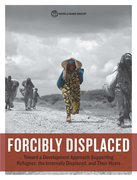
The report depicts the reality of forced displacement as a developing world crisis with implications for sustainable growth: 95 percent of the displaced live in developing countries and over half are in displacement for more than four years. To help the displaced, the report suggests ways to rebuild...

The COVID-19 pandemic is having far reaching impacts, well beyond the health crisis and needs, with the most severe impacts experienced in the poorest countries and those most vulnerable to humanitarian crises including natural disasters, such as Nepal.

Namibia is no exception to the growingglobal concern on the increasing burden of NCDs. Namibia is an upper middle income country with fast economic growth since independence in 1990. The country is bearing the double burden of communicable and noncommunicable diseases and rapid urbanizat...
