
Filter
2062
Filtered Results: 2062
Text search:
sustainable
livelihood
interventions
Featured
Recommendations
189
New Publications
631
Language
Document type
No document type
1091
Studies & Reports
454
Guidelines
209
Strategic & Response Plan
131
Manuals
113
Training Material
21
Fact sheets
19
Situation Updates
17
Resource Platforms
3
Infographics
2
Brochures
1
Online Courses
1
Countries / Regions
Global
135
Kenya
61
Myanmar / Burma
57
India
54
Sierra Leone
50
Syria
48
Ethiopia
46
Nepal
45
Liberia
45
Uganda
40
Bangladesh
34
Africa
33
South Sudan
31
Ghana
27
Tanzania
26
Zambia
26
Latin America and the Carribbean
25
Malawi
24
Rwanda
23
Congo, Democratic Republic of
23
Western and Central Europe
23
Nigeria
22
Namibia
20
Cambodia
19
Yemen
19
Philippines
18
Ukraine
17
South Africa
16
Guinea
15
Mozambique
15
Haiti
14
Lesotho
13
South–East Asia Region
13
Zimbabwe
12
East and Southern Africa
12
Indonesia
11
Asia
10
Jordan
10
Eastern Europe
10
Western Pacific Region
9
Sudan
9
Afghanistan
8
Venezuela
8
West and Central Africa
8
Lebanon
8
Thailand
7
Senegal
7
Burkina Faso
7
Vietnam
7
Central African Republic
7
Pakistan
7
Laos
6
Sri Lanka
6
Colombia
5
Turkey
5
Cameroon
5
Brazil
5
Botswana
5
Middle East and North Africa
4
Papua New Guinea
4
Mali
4
Somalia
4
Tajikistan
3
Germany
3
Eastern Europe and Central Asia
3
Côte d’Ivoire / Ivory Coast
3
Moldova
3
Iraq
3
Eswatini/ Swaziland
3
Mexico
2
El Salvador
2
Togo
2
China
2
Iran
2
Kyrgyzstan
2
Niger
2
Turkmenistan
2
Belarus
2
Russia
2
Egypt
2
Palestine
2
Chad
2
Madagascar
2
Guatemala
2
Timor Leste/ East Timor
1
Serbia
1
Benin
1
Gambia
1
Kazakhstan
1
Albania
1
Singapore
1
Uzbekistan
1
Burundi
1
Qatar
1
USA
1
Dominican Republic
1
Guinea-Bissau
1
Croatia
1
Hungary
1
Lithuania
1
Paraguay
1
Japan
1
Mauritius
1
Portugal
1
Spain
1
Azerbaijan
1
Bosnia and Herzegovina
1
Belize
1
Costa Rica
1
Panama
1
Argentina
1
Nicaragua
1
Romania
1
Greece
1
Georgia
1
Poland
1
Honduras
1
Angola
1
Libya
1
Bhutan
1
Authors & Publishers
Publication Years
Category
Countries
730
Key Resources
229
Public Health
124
Women & Child Health
111
Clinical Guidelines
100
Capacity Building
33
Pharmacy & Technologies
8
Annual Report MEDBOX
1
Toolboxes
Planetary Health
188
COVID-19
148
Mental Health
135
Conflict
121
HIV
115
Disability
106
TB
71
Ebola & Marburg
60
Natural Hazards
59
Global Health Education
55
NTDs
52
Refugee
47
AMR
41
Caregiver
37
Rapid Response
34
2.0 Rapid Response
33
NCDs
29
Health Financing Toolbox
25
Malaria
17
Pharmacy
13
Cholera
7
Polio
7
Specific Hazards
6
Zika
5
Social Ethics
3
Typhoon
2
South Sudan
1

At present at least 2.2 billion people around the world have a vision impairment, of whom at least 1 billion have a vision impairment that could have been prevented or is yet to be addressed. The world faces considerable challenges in terms of eye care, including inequalities in the coverage and qua...
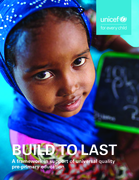
Today, the world is facing a learning crisis: While millions of children have entered education systems for the first time, many of them cannot read, write or do basic mathematics, even after several years of primary school.1 This global learning crisis has its roots in children’s earliest years, ...

In response to the COVID-19 outbreak, this guidance provides information on infection and prevention control (IPC) for older people, their friends and families, carers, and healthcare providers. Anyone who manages, works, volunteers or provides care at any type of facilities where older people recei...
This brief considers the rationale for shielding individuals at high risk of severe disease or death from COVID-19 in low- and middleincome countries. It provides an overview of proposed approaches to shielding, discusses the categories of individuals who may be identified for shielding, and outline...
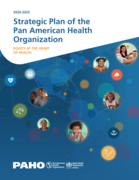
Under the theme Equity at the Heart of Health, this Plan seeks to catalyze efforts in Member States to reduce inequities in health within and between countries and territories in order to improve health outcomes. The Plan identifies specific actions to tackle health inequality, including those recom...

In many of Myanmar’s contested regions, healthcare services are provided through two parallel governance systems – by the government’s Ministry of Health, and by providers linked to ethnic armed organizations. Building upon efforts to build trust between these two actors following ceasefires s...
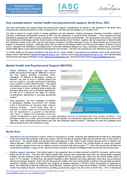

DHS Working Papers No. 120

Guidelines for WHO Representatives and Country
Offices in the Western Pacific Region

Good primary care may lead to fewer avoidable hospitalizations, but unsafe primary care can cause avoidable illness and injury, leading to unnecessary hospitalizations, and in some cases, disability and even death.Implementing system changes and practices are crucial to improve safety at all levels ...

Climate change is damaging human health now and is projected to have a greater impact in the future. Low- and middle-income countries are seeing the worst effects as they are most vulnerable to climate shifts and least able to adapt given weak health systems and poor infrastructure. Low-carbon appro...
As this report shows,
reports of child abuse and of children
witnessing violence between their
parents and caregivers have increased.
Ending violence against children is
increasingly within our reach. D

Formularies are lists of antibiotics that are suggested for certain healthcare settings. In developing a recommended formulary, countries should consider the needs of patients and facilities where they receive care. For example, clinicians in rural or primary health centers may need wide access to f...
The 7th edition of the Orange Guide provides practical guidance to health workers on the front line of TB control. It includes sections on HIV, MDR-TB and a review of the recommended treatment regimens

State of Health in the EU Cycle.
With the coronavirus (COVID-19) once again spreading rapidly, and the re-introduction of containment measures to flatten the curve of the epidemic, it is crucial for policymakers to plan effective strategies to re-open their economies to avoid further re-confinement...

The main message emerging from this new comprehensive global assessment is that premature death and disease can be prevented through healthier environments – and to a significant degree. Analysing the latest data on the environment-disease nexus and the devastating impact of environmental hazards ...
