Filter
2641
Filtered Results: 2641
Text search:
mental
health
statistics
Featured
Recommendations
177
New Publications
609
Language
Document type
No document type
1651
Studies & Reports
489
Guidelines
204
Manuals
105
Strategic & Response Plan
89
Fact sheets
30
Situation Updates
27
Training Material
24
Resource Platforms
14
Infographics
4
Brochures
2
Online Courses
2
Countries / Regions
Global
114
India
84
South Africa
70
Kenya
66
Western and Central Europe
64
Uganda
55
Latin America and the Carribbean
52
Ukraine
51
Ethiopia
51
Zambia
46
Nepal
45
Myanmar / Burma
45
Nigeria
43
Bangladesh
42
Namibia
41
Liberia
40
Ghana
37
Sierra Leone
37
Syria
37
Malawi
36
Rwanda
35
Indonesia
33
Africa
30
Philippines
29
Tanzania
27
Eastern Europe
27
Lesotho
22
Germany
21
Cambodia
20
South–East Asia Region
18
Russia
18
South Sudan
17
Congo, Democratic Republic of
15
Botswana
15
Eswatini/ Swaziland
14
Cameroon
13
Zimbabwe
13
Senegal
12
Burkina Faso
11
Haiti
11
Jordan
11
Afghanistan
10
Mozambique
10
Venezuela
10
Sudan
10
Colombia
9
Peru
9
Pakistan
9
Asia
8
Moldova
8
Iraq
8
Tajikistan
7
Thailand
7
China
7
USA
7
Eastern Europe and Central Asia
7
East and Southern Africa
7
Brazil
7
Sri Lanka
7
Yemen
7
Chile
6
Guinea
6
Lebanon
6
Somalia
6
Albania
5
West and Central Africa
5
Middle East and North Africa
5
Turkey
4
Hungary
4
Bolivia
4
Vietnam
4
Egypt
4
Georgia
4
Ecuador
4
Guatemala
4
North Macedonia
3
El Salvador
3
Kazakhstan
3
Canada
3
Laos
3
Western Pacific Region
3
Paraguay
3
Argentina
3
Papua New Guinea
3
Palestine
3
Central African Republic
3
Poland
3
Benin
2
Iran
2
Singapore
2
Uzbekistan
2
Malaysia
2
Bulgaria
2
Saudi Arabia
2
Turkmenistan
2
United Kingdom
2
Belarus
2
Romania
2
Slovakia
2
Greece
2
Honduras
2
Libya
2
Timor Leste/ East Timor
1
Mexico
1
Serbia
1
Gambia
1
Estonia
1
Kyrgyzstan
1
Niger
1
Burundi
1
Morocco
1
Qatar
1
Armenia
1
Lithuania
1
Ireland
1
North America
1
Belgium
1
Mauritius
1
Tunisia
1
Azerbaijan
1
Latvia
1
Southern Africa
1
Côte d’Ivoire / Ivory Coast
1
Guyana
1
Nicaragua
1
Djibouti
1
Mali
1
Angola
1
Authors & Publishers
Publication Years
Category
Countries
1046
Public Health
149
Women & Child Health
136
Key Resources
115
Clinical Guidelines
85
Capacity Building
29
Pharmacy & Technologies
7
Annual Report MEDBOX
2
Toolboxes
Mental Health
545
Disability
230
COVID-19
164
HIV
139
Planetary Health
91
Conflict
85
Refugee
70
TB
62
Caregiver
55
NCDs
55
Global Health Education
50
NTDs
26
Health Financing Toolbox
24
Ebola & Marburg
19
Natural Hazards
18
Pharmacy
18
Specific Hazards
17
Rapid Response
13
AMR
11
2.0 Rapid Response
8
Social Ethics
6
Zika
5
Cholera
4
Malaria
4
Typhoon
2
South Sudan
1
Polio
1
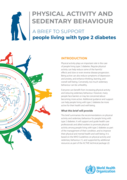
Physical activity plays an important role in the care of people living type 2 diabetes. Regular physical
activity can help reduce some of the harmful effects and slow or even reverse disease progression.
Being active can also reduce symptoms of depression and anxiety, and enhance thinking, learnin...
Q11. SCOPING QUESTIONS: In people with psychotic disorders (including schizophrenia and bipolar disorder) are recovery-oriented psychosocial strategies enhancing independent living and social skills (such as life skills and social skills training) feasible and effective?
The Global Status Report on Noncommunicable Diseases (NCDs) 2014 by the World Health Organization outlines the global impact of NCDs, including cardiovascular diseases, cancer, diabetes, and chronic respiratory diseases, which are responsible for a significant portion of global mortality, particular...

Q8. SCOPING QUESTION: In people with bipolar disorders who require maintenance treatment, are a) antipsychotics or b) mood stabilizers (lithium, valproate or carbamazepine) effective and safe?

WHO Ghana 2022 annual report
recommended
“2022 was an eventful year for the WHO Country Office in Ghana,” says Dr Francis Kasolo, WHO Representative to Ghana.
In 2022, WHO Ghana collaborated with partners to deliver interventions in support of the Government of Ghana's health sector agenda to ensure healthy lives for all towards ach...
The link between cholera in pregnancy and negative childbirth outcomes has been observed since the
19th century, but there is currently no clear understanding of the extent nor the mechanisms to inform
treatment guidelines. The recommendations in this Interim Technical Note are based on current
k...

Настоящая брошюра посвящена организации наркологической помощи женщинам с учетом их особых потребностей. Она подготовлена в рамках проекта Управления ОрганизацÐ...
Bridging the Gap

This report reviews the current situation in relation to national capacity to address NCDs and the progress made at country level over the past decade. It highlights that, while progress is being made, there is still much work to be done to create the infrastructure, policies, surveillance and healt...
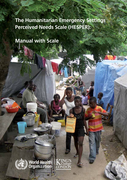
Manual with Scale

The harmful use of alcohol causes approximately 3 million deaths every year and the overall burden of disease and injuries attributable to alcohol consumption remains unacceptably high. The pace of development and implementation of alcohol policies has been uneven in WHO regions, and resources and c...
General practitioners and pediatricians must know the signs and
symptoms of possible pediatric cancer.

Alcohol use is deeply embedded in the social landscape of many societies, and some 2300 million people drink alcoholic beverages in most parts of the world. At the same time, more than half of the global population aged 15 years and older reported having abstained from drinking alcohol during the pr...

This year marked the beginning of the WHO biennium 2016-2017 action plan; this annual report highlights WHO’s key achievements in 2016
It also documents the extraordinary efforts by a broad coalition of government ministries, municipalities, international agencies, community groups, women’s or...