
Filter
12581
Filtered Results: 12581
Text search:
fund
Featured
Recommendations
907
New Publications
3145
Language
Document type
No document type
6542
Studies & Reports
2433
Guidelines
1508
Manuals
662
Strategic & Response Plan
524
Fact sheets
327
Training Material
200
Situation Updates
161
Infographics
89
Resource Platforms
61
Brochures
46
Online Courses
14
Videos
9
Dashboards/Maps
4
App
1
Countries / Regions
Global
600
India
371
Kenya
326
Latin America and the Carribbean
293
Ethiopia
245
Sierra Leone
217
Myanmar / Burma
212
Nigeria
210
Uganda
209
South Africa
201
Nepal
199
Liberia
181
Syria
179
Western and Central Europe
179
Africa
174
Brazil
172
Malawi
171
Rwanda
163
Zambia
163
Tanzania
162
Bangladesh
156
Mozambique
152
Ukraine
135
Venezuela
134
Ghana
129
Congo, Democratic Republic of
128
Namibia
114
Germany
112
Paraguay
112
Argentina
103
Senegal
97
Colombia
95
South Sudan
92
Philippines
85
Eastern Europe
81
Lesotho
80
Indonesia
80
Zimbabwe
78
Cambodia
76
Yemen
76
Haiti
73
Guinea
67
Asia
63
South–East Asia Region
63
Middle East and North Africa
56
East and Southern Africa
54
Russia
53
Burkina Faso
52
West and Central Africa
52
Botswana
50
Cameroon
49
Peru
49
Angola
49
Central African Republic
45
Bolivia
42
Chile
41
Afghanistan
41
Ecuador
39
Madagascar
35
Pakistan
35
Eastern Europe and Central Asia
33
El Salvador
32
Lebanon
31
Mali
31
Eswatini/ Swaziland
30
Guinea-Bissau
29
Sudan
28
Somalia
27
Thailand
24
Jordan
24
Benin
23
Western Pacific Region
22
Vietnam
20
Iraq
20
Tajikistan
19
China
19
Côte d’Ivoire / Ivory Coast
19
Mexico
17
Moldova
17
Albania
16
Spain
16
Turkey
15
Sri Lanka
15
Honduras
15
Laos
13
North America
13
Guatemala
13
Niger
12
Burundi
12
Georgia
12
Togo
11
USA
11
Portugal
11
Libya
11
North Macedonia
10
Palestine
10
Chad
10
Kyrgyzstan
9
Greece
9
Iran
8
Armenia
8
Dominican Republic
8
Papua New Guinea
8
Gambia
7
Kazakhstan
7
United Kingdom
7
Southern Africa
7
Nicaragua
7
Romania
7
Poland
7
Timor Leste/ East Timor
6
Serbia
6
Hungary
6
Uruguay
6
Egypt
6
Canada
5
Uzbekistan
5
Italy
5
Turkmenistan
5
Jamaica
5
Bhutan
5
Malaysia
4
Japan
4
Tunisia
4
Belarus
4
Fiji
3
Morocco
3
Croatia
3
Saudi Arabia
3
Gabon
3
Belgium
3
France
3
Mauritius
3
Bosnia and Herzegovina
3
Djibouti
3
North Korea
2
Switzerland
2
Singapore
2
Estonia
2
Congo-Brazzaville
2
Vanuatu
2
Mongolia
2
Bulgaria
2
Mauritania
2
Lithuania
2
Maldives
2
Azerbaijan
2
Israel
2
Slovakia
2
Qatar
1
Ireland
1
Luxembourg
1
Denmark
1
Norway
1
South Korea
1
Algeria
1
Morocco
1
Latvia
1
Belize
1
Costa Rica
1
Panama
1
Solomon Islands
1
Cuba
1
Authors & Publishers
Publication Years
Category
Countries
5007
Key Resources
712
Clinical Guidelines
674
Women & Child Health
663
Public Health
575
Capacity Building
210
Pharmacy & Technologies
96
Annual Report MEDBOX
3
Toolboxes
COVID-19
1218
HIV
885
Mental Health
859
TB
648
Disability
540
Planetary Health
478
Conflict
413
NTDs
341
Refugee
321
Caregiver
303
Ebola & Marburg
293
AMR
293
Health Financing Toolbox
266
Global Health Education
224
NCDs
193
Rapid Response
182
Natural Hazards
175
Pharmacy
165
Malaria
156
2.0 Rapid Response
108
Social Ethics
95
Cholera
93
Zika
77
Polio
66
Specific Hazards
51
Typhoon
14
South Sudan
2
This technical report contains the results from the FEEDcities Project – Eastern Europe and Central Asia, a cross-sectional survey of the local urban food environment conducted in Chișinău, Republic of Moldova between June and August 2016. It characterizes the vending sites, the food offered and...
Background: Comparable estimates of health spending are crucial for the assessment of health systems and to optimally deploy health resources. The methods used to track health spending continue to evolve, but little is known about the distribution of spending across diseases. We developed improved e...
The Strategic Framework for Emergency Preparedness is a unifying framework which identifies the principles and elements of effective country health emergency preparedness. It adopts the major lessons of previous initiatives and lays out the planning and implementation process by which countries can ...
Download (2.4 MB)
Overview
Early Adolescent Skills for Emotions (EASE) is an evidence-based group psychological intervention to help 10–15-year-olds affected by internalizing problems (e.g. stress and symptoms of anxiety, depression) in communities exposed to adversity. Published by the World He...
South African Health Review 2019
recommended
22nd edition
The purpose of the SAHR has always been to analyse and assess progress and challenges in key areas of the health system, and to propose recommendations for improvement. We are pleased to continue this tradition in the 2019 edition, which presents a unique collection of perspectives on ...
This technical report presents results from the FEEDcities Project – Eastern Europe and Central Asia, a cross-sectional survey conducted in Almaty, Aktau and Kyzylorda, Kazakhstan, between July and August 2017, to evaluate the local street food environment. It characterized the vending sites, the ...
This report presents the key findings of the end-of-project assessment of households and
community health volunteers, conducted in 2017 in the Kamukunji and Embakasi sub-counties
of Nairobi, Kenya, for a Community Health Volunteers’ Decision Support System (CHV DSS)
intervention project. The re...

Program Implementation Manual (PIM)
The Save One Million Lives Program for Results (SOML PforR) is a Federal Government of Nigeria maternal and child health program, supported by the World Bank, which provides incentives based on achievement of results (health outcomes) and helps to drive insti...
The Save One Million Lives Program for Results (SOML PforR) is a Federal Government of Nigeria maternal and child health program, supported by the World Bank, which provides incentives based on achievement of results (health outcomes) and helps to drive insti...
Policy Note #3: Myanmar Health Systems in Transition Policy Notes Series
A network of basic health facilities has been established in each of the 330 townships, covering both rural and urban areas. For the vast majority of Myanmar’s people, particularly the 70% who reside in rural areas, the ...
A network of basic health facilities has been established in each of the 330 townships, covering both rural and urban areas. For the vast majority of Myanmar’s people, particularly the 70% who reside in rural areas, the ...

Mental disorders impose an enormous burden on society, accounting for almost one in three years lived with disability globally. •In addition to their health impact, mental disorders cause a significant economic burden due to lost economic output and the link between mental disorders and costly, po...
Noncommunicable diseases (NCDs) such as cancer, cardiovascular diseases, diabetes and chronic respiratory diseases and their risk factors are an increasing public health and development challenge in Turkey. This report provides evidence through three analyses that NCDs reduce economic output, and di...

This brief update on tuberculosis (TB) in the African region covers the state of TB in the WHO African region, strategic priorities and targets and the impact of COVID-19 on essential services. This is followed by key figures for the region, the role of WHO in country support and, recognizing the im...
The Department of Nutrition, HIV and AIDS (DNHA) in Ministry of Health and Population is grateful to all stakeholders who contributed to the development of the Nutrition Education Communication Strategy II. The DNHA acknowledges the financial and technical support from the World Bank and USAID throu...
In October 2021, the ACT-Accelerator (ACT-A) published its 12-month Strategic Plan and budget for the period October 2021 to September 2022. Building on the investment needs outlined in that document, the ACT-A Facilitation Council Financial and Resource Mobilization Working Group developed this Fin...
Development assistance for health (DAH) has grown substantially, totaling more than $31.3 billion in 2013. However, the degree that countries with high concentrations of armed conflict, ethnic violence, inequality, debt, and corruption have received this health aid and how that assistance might be d...
Every day in 2020, approximately 800 women died from preventable causes related to pregnancy and childbirth - meaning that a woman dies around every two minutes.
Sustainable Development Goal (SDG) target 3.1 is to reduce maternal mortality to less than 70 maternal deaths per 100 000 live births by ...

The humanitarian crisis in Northeast Nigeria, driven by conflict, climate-related shocks, and food insecurity, has created immense challenges for the health sector in Borno, Adamawa, and Yobe (BAY) States. About 1.8 million people remain displaced(1), with inadequate access to healthcare services an...

The Second Economic Development and Poverty Reduction Strategy (EDPRS 2) is a launch into the home straight of our Vision 2020. We are faced with new challenges of ensuring greater self-reliance and developing global competitiveness. Conscious of these challenges, we forge ahead knowing that by work...
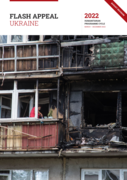
This document is the third iteration of the Flash Appeal for Ukraine, which was originally published on 1 March 2022 and revised once in mid-April. This updated Flash Appeal covers the period of 10 months following the onset of the war in Ukraine that started on 24 February 2022 (i.e., from March to...
