
Filter
9351
Filtered Results: 9351
Text search:
Education
International
Featured
Recommendations
667
New Publications
2464
Language
Document type
No document type
5392
Studies & Reports
1640
Guidelines
939
Manuals
474
Strategic & Response Plan
392
Training Material
180
Fact sheets
143
Situation Updates
94
Resource Platforms
31
Infographics
30
Brochures
26
Online Courses
6
Videos
3
App
1
Countries / Regions
Global
372
India
290
Kenya
283
Ethiopia
185
Nepal
184
Myanmar / Burma
184
Latin America and the Carribbean
176
Uganda
172
Sierra Leone
170
Nigeria
166
South Africa
166
Liberia
150
Zambia
141
Western and Central Europe
140
Rwanda
135
Malawi
134
Bangladesh
134
Tanzania
131
Syria
126
Congo, Democratic Republic of
123
Africa
114
Senegal
112
Ghana
107
Namibia
95
Ukraine
91
Venezuela
90
Philippines
77
Burkina Faso
75
Haiti
74
Zimbabwe
73
Cambodia
71
Colombia
69
Paraguay
66
Indonesia
66
Lesotho
65
South Sudan
61
Benin
57
South–East Asia Region
53
Asia
52
Mozambique
49
Guinea
48
Cameroon
47
Eastern Europe
43
Germany
41
Central African Republic
41
Botswana
39
Yemen
38
West and Central Africa
37
Brazil
33
East and Southern Africa
32
Argentina
32
Afghanistan
31
Madagascar
31
Peru
28
Eswatini/ Swaziland
28
Russia
27
Chile
26
Middle East and North Africa
25
Eastern Europe and Central Asia
25
Pakistan
25
Lebanon
24
Vietnam
24
Mali
24
Jordan
22
Thailand
21
Bolivia
21
Sudan
21
Ecuador
19
China
17
Togo
16
Laos
16
Iraq
16
Western Pacific Region
14
Somalia
14
El Salvador
13
Albania
13
Burundi
13
Côte d’Ivoire / Ivory Coast
13
Moldova
13
Tajikistan
12
Sri Lanka
11
USA
10
Turkey
9
Niger
9
Georgia
9
Iran
8
Greece
8
Honduras
8
Guatemala
8
North Macedonia
7
Southern Africa
7
Papua New Guinea
7
Palestine
7
North America
6
Spain
6
Poland
6
Libya
6
Timor Leste/ East Timor
5
Mexico
5
Kazakhstan
5
Romania
5
Chad
5
Gambia
4
Kyrgyzstan
4
Malaysia
4
Morocco
4
Dominican Republic
4
Hungary
4
Turkmenistan
4
Japan
4
Portugal
4
Egypt
4
Switzerland
3
Serbia
3
Canada
3
Estonia
3
Armenia
3
Croatia
3
Saudi Arabia
3
Uruguay
3
Jamaica
3
Mauritius
3
Tunisia
3
Bosnia and Herzegovina
3
Angola
3
Fiji
2
Singapore
2
Uzbekistan
2
Bulgaria
2
Lithuania
2
Gabon
2
France
2
United Kingdom
2
Azerbaijan
2
Israel
2
Nicaragua
2
Slovakia
2
Bhutan
2
Austria
1
Vanuatu
1
Mongolia
1
Qatar
1
Mauritania
1
Guinea-Bissau
1
Ireland
1
Maldives
1
Belarus
1
Latvia
1
Belize
1
Costa Rica
1
Guyana
1
Panama
1
Authors & Publishers
Publication Years
Category
Countries
3847
Key Resources
535
Women & Child Health
500
Public Health
487
Clinical Guidelines
481
Capacity Building
185
Pharmacy & Technologies
42
Annual Report MEDBOX
3
Toolboxes
Mental Health
815
HIV
610
COVID-19
597
Disability
558
TB
381
Planetary Health
323
Conflict
283
Caregiver
261
AMR
231
NTDs
221
Ebola & Marburg
217
Refugee
213
Global Health Education
180
NCDs
160
Natural Hazards
139
Rapid Response
136
Pharmacy
109
Health Financing Toolbox
98
Malaria
97
2.0 Rapid Response
73
Social Ethics
67
Cholera
53
Zika
42
Specific Hazards
38
Polio
37
Typhoon
6
South Sudan
1
A GUIDE FOR HEALTH CARE PROVIDERS.
This material was reprinted, with permission, from the National Sexual Violence Resource Center’s publication entitled Assessing
patients for sexual violence: A guide for health care providers. This guide is available by visiting www.nsvrc.org

To complement the Global Strategy progress reporting, this report provides a detailed look at country leadership and action toward the Every Newborn National Milestones by 2020. Countries have taken the initiative to show the way forward and have demonstrated significant progress. As part of monitor...
BMJ 2009; 338 doi: https://doi.org/10.1136/bmj.b158 (Published 05 February 2009)
Cite this as: BMJ 2009;338:b158
Correspondence to: A Burns alistair.burns@manchester.ac.uk

Accessed Febr. 6, 2020
Using the WHO model list of essential medicines to update a national essential medicines list
Since 1977, WHO has been working with countries to design the package of essential medicines as an integral component of treatment within the continuum of care, developing and disseminating the Model List ...
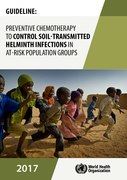
Preventive chemotherapy to control soil-transmitted helminth infections in at-risk population groups
recommended
Treating children infected with intestinal worms is one of the simplest and most cost–effective ways to improve their health.
The recommendations are intended for a wide audience, including policy-makers and their expert advisers as well as technical and programme staff at government institution...

Update 68




Namibia is no exception to the growingglobal concern on the increasing burden of NCDs. Namibia is an upper middle income country with fast economic growth since independence in 1990. The country is bearing the double burden of communicable and noncommunicable diseases and rapid urbanizat...

The document "Global Report on Diabetes" by the World Health Organization (WHO) provides an in-depth analysis of diabetes as a global health challenge. It covers the rising prevalence of the disease, the associated risk factors, and the increasing burden on healthcare systems, particularly in low- a...
Draft version 2017
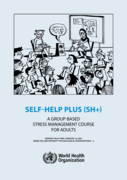
Self-help Plus (SH+)
recommended
A group-based stress managment course for adults.
Self-Help Plus (SH+) is WHO’s 5-session stress management course for large groups of up to 30 people. It is delivered by supervised, non-specialist facilitators who complete a short training course and use pre-recorded audio and an illustrated gui...


This Guide responds to requests from practitioners and country teams who have learned about the Nurturing care framework and want to understand how to adapt health and nutrition services to be supportive of nurturing care and strengthen caregivers’ capacity.
