
Filter
6237
Filtered Results: 6237
Text search:
children
with
HIV
Featured
Recommendations
561
New Publications
1785
Language
Document type
No document type
3969
Studies & Reports
831
Guidelines
667
Manuals
253
Strategic & Response Plan
183
Fact sheets
124
Training Material
101
Situation Updates
41
Infographics
35
Resource Platforms
16
Brochures
13
Online Courses
2
App
1
Videos
1
Countries / Regions
India
278
Kenya
234
Global
213
South Africa
176
Ethiopia
162
Uganda
158
Malawi
152
Nepal
142
Zambia
142
Nigeria
139
Tanzania
136
Sierra Leone
126
Rwanda
121
Liberia
121
Namibia
101
Africa
89
Bangladesh
89
Ghana
85
Myanmar / Burma
84
Western and Central Europe
79
Lesotho
74
Zimbabwe
74
Ukraine
61
Cambodia
56
Philippines
55
Latin America and the Carribbean
55
Mozambique
52
Indonesia
50
Congo, Democratic Republic of
49
Senegal
45
Asia
42
Eastern Europe
42
Haiti
41
South Sudan
37
Botswana
34
South–East Asia Region
30
Burkina Faso
29
Eswatini/ Swaziland
29
Syria
26
Guinea
26
Germany
26
Russia
26
Cameroon
22
East and Southern Africa
22
Venezuela
18
West and Central Africa
16
Eastern Europe and Central Asia
16
Brazil
16
Pakistan
15
Middle East and North Africa
13
Vietnam
13
Albania
12
Moldova
12
Central African Republic
12
Somalia
12
Tajikistan
11
Colombia
11
Sudan
11
Yemen
11
Laos
9
Afghanistan
9
Jordan
9
Paraguay
9
Papua New Guinea
9
China
8
Lebanon
8
Georgia
8
Madagascar
8
Argentina
7
Mali
7
North Macedonia
6
Burundi
6
Peru
6
Western Pacific Region
6
Southern Africa
6
Angola
6
Thailand
5
Turkey
5
Iran
5
Sri Lanka
5
Timor Leste/ East Timor
4
Serbia
4
Benin
4
Chile
4
Estonia
4
Uzbekistan
4
Portugal
4
Egypt
4
Romania
4
Iraq
4
Ecuador
4
Mexico
3
Armenia
3
USA
3
Turkmenistan
3
Japan
3
Côte d’Ivoire / Ivory Coast
3
Bhutan
3
Switzerland
2
Gambia
2
Togo
2
Qatar
2
Bulgaria
2
Hungary
2
Saudi Arabia
2
North America
2
France
2
Mauritius
2
Spain
2
Bolivia
2
Greece
2
Palestine
2
Poland
2
Honduras
2
Libya
2
North Korea
1
El Salvador
1
Kazakhstan
1
Fiji
1
Singapore
1
Kyrgyzstan
1
Niger
1
Malaysia
1
Morocco
1
Italy
1
Dominican Republic
1
Guinea-Bissau
1
Croatia
1
Tunisia
1
United Kingdom
1
Azerbaijan
1
Israel
1
Bosnia and Herzegovina
1
Oman
1
Djibouti
1
Slovakia
1
Chad
1
Solomon Islands
1
Authors & Publishers
Publication Years
Category
Countries
2787
Clinical Guidelines
470
Women & Child Health
393
Key Resources
257
Public Health
256
Capacity Building
152
Pharmacy & Technologies
43
Annual Report MEDBOX
3
Toolboxes
HIV
837
TB
480
COVID-19
302
Mental Health
291
Disability
195
Caregiver
163
Conflict
125
NTDs
123
Ebola & Marburg
110
AMR
108
Refugee
95
Global Health Education
90
Health Financing Toolbox
85
Pharmacy
81
Rapid Response
71
NCDs
65
Planetary Health
62
Malaria
61
Natural Hazards
53
Cholera
33
2.0 Rapid Response
26
Polio
21
Social Ethics
19
Zika
18
Specific Hazards
2
South Sudan
1
Typhoon
1

Healthy me, healthy us: a guide for community members about good health and staying healthy with chronic illness

2nd Generation HIV Surveillance in Pakistan, Round 5
WHO and UNITAID
in collaboration with IMPAACT (International Maternal Pediatric Adolescent AIDS Clinical Trials) network, PENTA (Paediatric European Network for Treatment of AIDS) foundation and experts from the Paediatric Antiretroviral Working Group
This manual was designed to support the GRN-UNICEF Youth Health and Development Programme with the aim of sustaining My Future is My Choice graduates and other young people’s peer education activities. It was written and reviewed in a three-day workshop in November 1999 and in the following weeks ...

A super-fast-track Framework for ending AIDS among children, adolescents and young women by 2020
Accessed: 02.11.2019
CBR Training Manual
recommended
LIGHT FOR THE WORLD is a European confederation of national development NGOs committed to saving eyesight, improving the quality of life and advocating for the rights of person with disabilities in the underprivileged regions of our world. The guidelines reflect both the ongoing developments within ...
A toolkit to equip young people with the skills to become powerful advocates for Youth Sexual Reproductive Health and Rights (YSRH&R)
Accessed: 17.11.2019
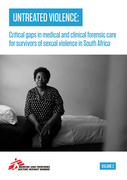
Sexual violence is a major problem in South Africa, with studies showing that up to one in four women have been raped in their lifetime.

The National Institute of statistics of Rwanda (NISR) in collaboration with the worldwide Demographic and Health Surveys Program implemented the 2014-15 Rwanda Demographic and Health Survey (RDHS) to collect data for monitoring progress on health programs and policies in Rwanda. This publication ill...
The report provides a brief introduction to patents and licences and their effect on the market for antiretroviral (ARV) medicines. It gives an overview of the patent landscape with respect to a select number of ARV medicines in developing countries as of April 2014. The focus is primarily on those ...

The National Institute of statistics of Rwanda (NISR) in collaboration with the worldwide Demographic and Health Surveys Program implemented the 2014-15 Rwanda Demographic and Health Survey (RDHS) to collect data for monitoring progress on health programs and policies in Rwanda. This publication ill...

The National Institute of statistics of Rwanda (NISR) in collaboration with the worldwide Demographic and Health Surveys Program implemented the 2014-15 Rwanda Demographic and Health Survey (RDHS) to collect data for monitoring progress on health programs and policies in Rwanda. This publication ill...

he National Institute of statistics of Rwanda (NISR) in collaboration with the worldwide Demographic and Health Surveys Program implemented the 2014-15 Rwanda Demographic and Health Survey (RDHS) to collect data for monitoring progress on health programs and policies in Rwanda. This publication illu...

An evidence-informed approach for non-formal, out-of-school CSE programmes that aims to reach young people from left-behind populations
This guidance is intended to assist anyone designing and/or implementing CSE in out-of-school settings, especially in low- and middle-income countries. This includ...
A learning resource for facilitators, parents, caregivers, and persons with cerebral palsy | Version 1 - Released March 2008

Global Report on assistive technology
recommended
The report notes that the number of people in need of one or more assistive products is likely to rise to 3.5 billion by 2050, due to populations ageing and the prevalence of noncommunicable diseases rising across the world. The report also highlights the vast gap in access between low- and high-inc...
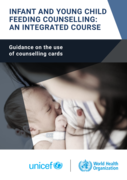
Infant and young child feeding counselling: an integrated course: guidance on the use of counselling cards
recommended
This document provides guidance to health care workers on the use of the counselling cards. The Counselling cards depict key infant and young child feeding concepts and behaviours for health workers to share with mothers, fathers, grandparents and other caregivers.
USAID/KENYA Evaluation Services and Program Support (ESPS)
The United States Agency for International Development (USAID) has a solid track record of supporting health and development initiatives in Kenya. AIDS, Population, and Health Integrated Assistance (APHIA) is the agency’s flagship hea...
The United States Agency for International Development (USAID) has a solid track record of supporting health and development initiatives in Kenya. AIDS, Population, and Health Integrated Assistance (APHIA) is the agency’s flagship hea...
DHS Further Analysis Reports No. 109 - This report documents trends in key child nutrition indicators in Rwanda. Data from the Demographic and Health Surveys (DHS) in 2005, 2010, and 2014-15 were analyzed, disaggregated by selected equity-related variables, and tested for trends. Over the survey per...
