
Filter
7483
Filtered Results: 7483
Text search:
integrated
services
Featured
Recommendations
637
New Publications
2043
Language
Document type
No document type
4227
Studies & Reports
1277
Guidelines
866
Manuals
421
Strategic & Response Plan
355
Training Material
117
Fact sheets
106
Situation Updates
62
Resource Platforms
17
Infographics
17
Brochures
11
Online Courses
5
App
1
Videos
1
Countries / Regions
Global
330
India
296
Kenya
240
Nepal
171
Ethiopia
161
South Africa
155
Uganda
152
Myanmar / Burma
141
Nigeria
137
Liberia
129
Sierra Leone
128
Western and Central Europe
124
Malawi
122
Tanzania
121
Zambia
115
Africa
113
Rwanda
110
Latin America and the Carribbean
104
Bangladesh
102
Namibia
94
Syria
85
Ghana
79
Ukraine
75
Congo, Democratic Republic of
64
South Sudan
63
Philippines
62
Lesotho
52
South–East Asia Region
52
Eastern Europe
52
Asia
49
Zimbabwe
47
Indonesia
46
Guinea
42
Mozambique
41
Cambodia
41
Haiti
40
Senegal
39
Botswana
36
Yemen
34
East and Southern Africa
30
Pakistan
30
Burkina Faso
29
Venezuela
29
West and Central Africa
28
Cameroon
27
Central African Republic
23
Middle East and North Africa
22
Brazil
22
Colombia
21
Russia
21
Afghanistan
19
Germany
19
Eswatini/ Swaziland
19
Eastern Europe and Central Asia
18
Benin
17
Jordan
16
Vietnam
16
Somalia
16
Lebanon
15
Sudan
15
Mali
15
Thailand
14
Laos
14
Peru
13
Western Pacific Region
13
Madagascar
13
USA
12
Moldova
11
Iraq
10
Albania
9
Burundi
9
North America
9
Sri Lanka
9
Turkey
8
Paraguay
8
Georgia
8
Tajikistan
7
China
7
Chile
7
Côte d’Ivoire / Ivory Coast
7
Chad
7
Timor Leste/ East Timor
6
Togo
6
Iran
6
Niger
6
El Salvador
5
Gambia
5
United Kingdom
5
Southern Africa
5
Angola
5
Libya
5
Ecuador
5
Turkmenistan
4
Bolivia
4
Papua New Guinea
4
Egypt
4
Romania
4
Greece
4
Palestine
4
Bhutan
4
North Macedonia
3
Mexico
3
Serbia
3
Singapore
3
Kyrgyzstan
3
Malaysia
3
Italy
3
Armenia
3
Dominican Republic
3
Japan
3
Mauritius
3
Spain
3
Bosnia and Herzegovina
3
Argentina
3
Poland
3
Guatemala
3
North Korea
2
Canada
2
Fiji
2
Vanuatu
2
Mongolia
2
Mauritania
2
Guinea-Bissau
2
Croatia
2
Hungary
2
Portugal
2
Azerbaijan
2
Belarus
2
Nicaragua
2
Honduras
2
Switzerland
1
Estonia
1
Morocco
1
Qatar
1
Bulgaria
1
Lithuania
1
Ireland
1
Saudi Arabia
1
Denmark
1
Maldives
1
Tunisia
1
Israel
1
Belize
1
Costa Rica
1
Guyana
1
Panama
1
Djibouti
1
Solomon Islands
1
Authors & Publishers
Publication Years
Category
Countries
2884
Key Resources
506
Clinical Guidelines
464
Women & Child Health
433
Public Health
421
Capacity Building
164
Pharmacy & Technologies
53
Annual Report MEDBOX
1
Toolboxes
HIV
657
Mental Health
556
COVID-19
461
TB
365
Planetary Health
318
Disability
314
Conflict
242
Caregiver
227
AMR
191
NTDs
185
Ebola & Marburg
159
Rapid Response
137
Refugee
132
Global Health Education
125
Natural Hazards
123
NCDs
113
Malaria
89
2.0 Rapid Response
83
Pharmacy
81
Health Financing Toolbox
74
Social Ethics
44
Specific Hazards
40
Zika
35
Cholera
33
Polio
32
Typhoon
6
South Sudan
2
A module from the suite of health service capacity assessments in the context of the COVID-19 pandemicINTERIM GUIDANCE5 February2021
The Community needs, perceptions and demand: community assessment toolcan be used by countries to conduct a rapid pulse survey of community health needs and perceptio...

Defending Rights
Breaking Barriers
Reaching People with HIV Services
Global Aids Update 2019
Services, Identified needs and recommendations following the April and May 2015 Earthquakes in Nepal

- Twenty-two joint integrated rapid response mechanism (IRRM) missions were conducted in 11 counties and reached 305,887 people including 65,432 children under 5 years of age.
- UNICEF’s Integrated Community Mobilization Network reached 345,219 households (total population 2.1 million) advoca...
- UNICEF’s Integrated Community Mobilization Network reached 345,219 households (total population 2.1 million) advoca...

A National Service Programme for All Children with Special Needs and their Families
In Myanmar, we estimate that at least 40% of children require ECI services for short to longer periods of time. At present, 35.1% of Myanmar children are moderately to severely stunted; all of these children are l...
In Myanmar, we estimate that at least 40% of children require ECI services for short to longer periods of time. At present, 35.1% of Myanmar children are moderately to severely stunted; all of these children are l...
BMC Health Services Research (2017) 17:623 DOI 10.1186/s12913-017-2567-7

Ramped-up cancer services could save 7 million lives over the next decade—and addressing huge service gaps between rich and poor countries is key to success, according to this report.
In 2019, over 90% of high-income countries reported that comprehensive cancer treatment services were available...

With focus on creating linkages between social cash transfer programmes and HIV services
Accessed: 21.08.2019
Fostering resilient development through integrated action plan
The Myanmar Action Plan on Disaster Risk Reduction, 2017 is a comprehensive and unified action plan for disaster risk reduction with prioritized interventions across Myanmar till 2020. With a long term vision and considering deep-root...
The Myanmar Action Plan on Disaster Risk Reduction, 2017 is a comprehensive and unified action plan for disaster risk reduction with prioritized interventions across Myanmar till 2020. With a long term vision and considering deep-root...

Act on the Residence, Economic Activity and Integration of Foreigners in the Federal Territory
Residence Act. Translation provided by the Language Service of the Federal Ministry of the Interior.
Version information: The translation includes the amendment(s) to the Act by Article 3 of the Act of 6...
La santé mentale fait partie intégrante de notre santé et de notre bien-être en général et constitue un droit humain fondamental. À l'échelle mondiale, les problèmes de santé mentale sont très répandus. Selon les données de l'Organisation mondiale de la Santé (OMS), environ une personn...
Une composante intégrale de l’investissement dans la santé
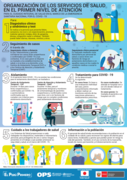
Organization of health services at the first level of care for comprehensive health care in the framework of the national health emergency by COVID-19

Expanding access to quality health services through task sharing

This Clinic Supervisor’s Manual is helpful for focusing managers on the key elements of integrated primary health care as they simultaneously integrate new interventions for HIV/AIDS, tuberculosis, and malaria. This tool contains 12 sections. Section 1 explains how to use the manual. Section 2 hel...
After introducing Ethiopia's WASH sector challenges and trends, the plan describes IRC Ethiopia's vision and strategy which draws from IRC and Water For People's joint framework - Destination 2030. It then details the organisational changes and business development needed to implement the strategic ...

This Toolkit aims to support the understanding and implementation of integrated mental health programs in humanitarian settings. It provides a framework for essential steps and components, with associated key guidance and resources, that strengthen the integration process, and is primarily intended ...

Frontline health workers (FHWs) provide services directly to communities where they are most needed, especially in remote and rural areas. Many are community health workers and midwives, though they can also include local emergency responders/paramedics, pharmacists, nurses, and doctors who serve in...
