
Filter
8303
Filtered Results: 8303
Text search:
children
under
2
years
Featured
Recommendations
718
New Publications
2395
Language
Document type
No document type
4872
Studies & Reports
1454
Guidelines
859
Manuals
412
Strategic & Response Plan
289
Training Material
149
Fact sheets
139
Situation Updates
72
Infographics
21
Brochures
20
Resource Platforms
13
Online Courses
2
App
1
Countries / Regions
India
391
Global
361
Kenya
268
Nepal
198
Ethiopia
195
South Africa
179
Uganda
173
Myanmar / Burma
172
Sierra Leone
168
Nigeria
164
Malawi
152
Bangladesh
145
Tanzania
142
Liberia
142
Zambia
138
Western and Central Europe
136
Rwanda
125
Syria
125
Africa
116
Ghana
109
Latin America and the Carribbean
96
Namibia
90
Ukraine
86
Congo, Democratic Republic of
84
Philippines
80
South Sudan
66
Lesotho
65
Zimbabwe
63
Cambodia
61
Indonesia
58
Haiti
52
Asia
52
Mozambique
50
Yemen
48
Germany
47
South–East Asia Region
47
Eastern Europe
44
Senegal
43
Guinea
39
Venezuela
32
East and Southern Africa
32
Botswana
31
Afghanistan
30
Pakistan
30
Burkina Faso
29
West and Central Africa
29
Cameroon
27
Eastern Europe and Central Asia
25
Eswatini/ Swaziland
25
Lebanon
24
Central African Republic
23
Jordan
22
Middle East and North Africa
22
Russia
22
Somalia
22
Brazil
19
Sudan
19
Colombia
17
Moldova
16
Madagascar
15
Western Pacific Region
14
Vietnam
14
Turkey
13
China
13
Mali
13
Tajikistan
12
Thailand
12
Albania
12
Laos
12
Iraq
12
Benin
11
USA
11
Paraguay
11
Sri Lanka
10
Peru
8
North America
8
Papua New Guinea
8
Egypt
8
Palestine
8
Georgia
8
Mexico
7
Iran
7
Romania
7
Greece
7
Timor Leste/ East Timor
6
Niger
6
Burundi
6
Southern Africa
6
Poland
6
Ecuador
6
North Macedonia
5
Kazakhstan
5
Côte d’Ivoire / Ivory Coast
5
Libya
5
Togo
4
Chile
4
Kyrgyzstan
4
Uzbekistan
4
Armenia
4
Turkmenistan
4
Argentina
4
Chad
4
Bhutan
4
Serbia
3
Estonia
3
Hungary
3
Mauritius
3
United Kingdom
3
Bolivia
3
Angola
3
Guatemala
3
North Korea
2
Switzerland
2
Gambia
2
Canada
2
Fiji
2
Singapore
2
Malaysia
2
Qatar
2
Bulgaria
2
Guinea-Bissau
2
Croatia
2
Lithuania
2
Saudi Arabia
2
Jamaica
2
Portugal
2
Spain
2
Bosnia and Herzegovina
2
Slovakia
2
Honduras
2
Vanuatu
1
Morocco
1
Mongolia
1
Italy
1
Dominican Republic
1
Ireland
1
Japan
1
France
1
Maldives
1
Tunisia
1
Azerbaijan
1
Belarus
1
Israel
1
Latvia
1
Oman
1
Djibouti
1
Solomon Islands
1
Authors & Publishers
Publication Years
Category
Countries
3449
Clinical Guidelines
577
Women & Child Health
500
Key Resources
474
Public Health
410
Capacity Building
186
Pharmacy & Technologies
44
Annual Report MEDBOX
2
Toolboxes
HIV
605
Mental Health
594
COVID-19
488
TB
377
Disability
375
Conflict
292
Planetary Health
259
NTDs
254
Refugee
204
Caregiver
195
Ebola & Marburg
165
AMR
143
Global Health Education
137
NCDs
135
Rapid Response
115
Natural Hazards
113
Health Financing Toolbox
102
Pharmacy
101
Malaria
92
Cholera
66
2.0 Rapid Response
64
Polio
59
Social Ethics
36
Zika
35
Specific Hazards
34
Typhoon
7
South Sudan
1
Sepsis remains a leading cause of mortality and morbidity, especially during the first five days of life and in low and middle-income countries (LMIC) [1]. Hospital infection also remains a major cause of mortality in children despite progress encountered in the last decades.
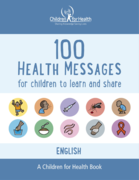
The '100 Health Messages for Children to Learn & Share' is an educational resource developed by Children for Health. It is aimed at children aged 8–14, particularly young adolescents (aged 10–14), who often care for younger siblings. The set contains 100 simple, accurate and adaptable health mes...
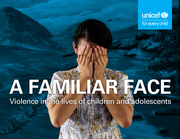
This report presents the most current data on four specific forms of violence – violent discipline and exposure to domestic abuse during early childhood; violence at school; violent deaths among adolescents; and sexual violence in childhood and adolescence. The statistics reveal that children expe...
Towards a policy of inclusion
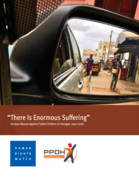
This report documents scores of serious abuses committed against talibé children by Quranic teachers or their assistants in 2017 and 2018, including deaths, beatings, sexual abuse, chaining and imprisonment, and numerous forms of neglect and endangerment. The abuses took place in at least eight of ...
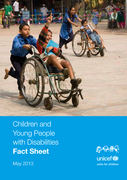

Integrated management of childhood illness. The last update was in the IMCI chart booklet in 2014, but since then there have been significant updates on the management of sick young infant (SYI) aged up to 2 months. This 2019 update of the sick young infant section Management of the sick young infan...
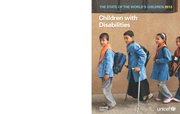
The State of the World’s Children 2013: Children with Disabilities examines the barriers – from inaccessible buildings to dismissive attitudes, from invisibility in official statistics to vicious discrimination – that deprive children with disabilities of their rights and keep them from partic...
Alternative Report to the UN Committee on the Rights of Persons with Disabilities in response to South Africa’s Baseline Country Report of March 2013 on the UN Convention on the Rights of Persons with Disabilities, with particular reference to the provisions of Article 24

Miscellaneous
Chapter J.4

Obesity in all age groups, including children and adolescents, is a public health challenge across all settings. Obesity is now classified as a complex multifactorial chronic disease and not just a risk factor for other noncommunicable diseases and comorbidities. Recognizing the significance of prim...
Manual for male circumcision under local anaesthesia and HIV prevention services for adolescent boys and men
recommended
This Manual takes into account those lessons to improve and maintain high quality services. It is aligned with updated recommendations on infection prevention and control -- a foundation for all health care services. Voluntary medical male circumcision for HIV prevention programs also afford a uniqu...
Review
Triccas and Counoupas Pneumonia (2016) 8:18; DOI 10.1186/s41479-016-0020-z
