
Filter
7399
Filtered Results: 7399
Text search:
Monitoring
and
Evaluation
Featured
Recommendations
686
New Publications
2075
Language
Document type
No document type
4249
Studies & Reports
1081
Guidelines
1013
Manuals
445
Strategic & Response Plan
333
Training Material
107
Fact sheets
89
Situation Updates
44
Resource Platforms
13
Infographics
11
Brochures
9
App
3
Online Courses
2
Countries / Regions
Global
311
India
290
Kenya
233
Ethiopia
172
Uganda
158
Nepal
154
Sierra Leone
149
South Africa
148
Nigeria
141
Western and Central Europe
128
Liberia
127
Rwanda
121
Tanzania
121
Zambia
114
Malawi
112
Myanmar / Burma
110
Ghana
107
Africa
101
Latin America and the Carribbean
98
Bangladesh
97
Namibia
79
Syria
73
Ukraine
71
Philippines
65
Congo, Democratic Republic of
65
Lesotho
51
Eastern Europe
51
Indonesia
49
Cambodia
48
Zimbabwe
47
Senegal
45
South–East Asia Region
45
Guinea
43
Haiti
43
Mozambique
40
South Sudan
39
Germany
38
West and Central Africa
38
Botswana
37
East and Southern Africa
36
Middle East and North Africa
35
Burkina Faso
32
Asia
31
Russia
30
Cameroon
28
Brazil
27
Eastern Europe and Central Asia
24
Benin
23
Yemen
22
Pakistan
22
Eswatini/ Swaziland
21
Afghanistan
20
Jordan
20
Lebanon
17
Venezuela
16
Mali
16
Western Pacific Region
15
Sudan
15
Thailand
14
Vietnam
14
Iraq
14
Madagascar
14
Laos
13
Somalia
13
Colombia
12
Tajikistan
11
USA
11
Albania
10
China
9
Paraguay
9
Central African Republic
9
Turkey
8
North America
8
Sri Lanka
8
Georgia
8
Angola
8
Togo
7
Iran
7
Peru
7
Côte d’Ivoire / Ivory Coast
7
Argentina
7
Moldova
7
Timor Leste/ East Timor
6
Gambia
6
Kyrgyzstan
6
Portugal
6
Libya
6
North Macedonia
5
Niger
5
Burundi
5
Saudi Arabia
5
Southern Africa
5
Egypt
5
Chad
5
Bhutan
5
Mexico
4
Chile
4
Armenia
4
Spain
4
Papua New Guinea
4
Palestine
4
Honduras
4
Kazakhstan
3
Canada
3
Estonia
3
Morocco
3
Qatar
3
Mauritania
3
Croatia
3
Turkmenistan
3
Japan
3
United Kingdom
3
Bosnia and Herzegovina
3
North Korea
2
El Salvador
2
Serbia
2
Singapore
2
Congo-Brazzaville
2
Vanuatu
2
Italy
2
Dominican Republic
2
Guinea-Bissau
2
Lithuania
2
Jamaica
2
France
2
Mauritius
2
Tunisia
2
Azerbaijan
2
Israel
2
Bolivia
2
Nicaragua
2
Romania
2
Greece
2
Ecuador
2
Guatemala
2
Switzerland
1
Fiji
1
Malaysia
1
Bulgaria
1
Hungary
1
Ireland
1
Uruguay
1
Denmark
1
Maldives
1
Norway
1
Belarus
1
Belize
1
Costa Rica
1
Guyana
1
Panama
1
Djibouti
1
Poland
1
Solomon Islands
1
Authors & Publishers
Publication Years
Category
Countries
2885
Clinical Guidelines
553
Key Resources
533
Public Health
415
Women & Child Health
371
Capacity Building
147
Pharmacy & Technologies
73
Toolboxes
HIV
577
Mental Health
456
COVID-19
430
TB
403
Disability
278
NTDs
222
Planetary Health
220
AMR
218
Ebola & Marburg
209
Caregiver
194
Conflict
182
Rapid Response
146
NCDs
126
Pharmacy
114
Natural Hazards
112
Global Health Education
111
Refugee
109
Malaria
109
2.0 Rapid Response
102
Health Financing Toolbox
75
Specific Hazards
49
Cholera
44
Zika
42
Polio
42
Social Ethics
11
Typhoon
5
South Sudan
1

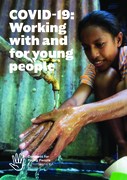
This guidance note is meant to assist humanitarian actors, youth-led organizations, and young people themselves across sectors, working at local, country, regional, and global levels in their response to the novel coronavirus pandemic. It begins diagnostically, exploring the impacts of coronavirus d...

These guidelines provide updated evidence-based recommendations on the priority HCV-related topics from the 2018 WHO Guidelines for the care and treatment of persons diagnosed with chronic hepatitis C infection and the 2017 WHO Guidelines on hepatitis B and C testing. These priority areas are:
...
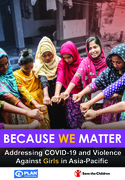
Asia is home to more than half of the world’s 1.1 billion girls. Gender inequality in many parts of the region means that girls are often systematically disadvantaged and oppressed by poverty, violence, exclusion and discrimination. Girls’ development is hampered by child, early and forced marri...
BMJ Open Quality 2017;6:e000145. doi:10.1136/
bmjoq-2017-000145Although there are many evidence-based practices that reduce the risk of maternal and neonatal mortality around the time of birth, there remains a gap between what is known and the care received. This knowdo gap is a source of preventab...
2023 was another year of significant progress in the fight against HIV, tuberculosis (TB) and malaria. In countries where the Global
Fund invests, there has been a full recovery from the disruptive impact of the COVID-19 pandemic. The results we have achieved in the last year build on our extraord...

Tuberculosis (TB) remains a significant global health challenge, with an estimated annual death rate of approximately one per 100,000 people in countries with low TB prevalence. Rapid reductions in TB cases and deaths worldwide depend on research breakthroughs, including the development of new vac...

Health in All Policies (HiAP) promotes health and equity. It is based on the recognition that our greatest health challenges for example, non-communicable diseases, health inequities and inequalities, climate change, and spiraling health care costs are highly complex and often linked through the soc...
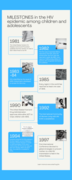
Milestones in the treatment, care and support, Dec 2021
La crise humanitaire que traverse la Centrafrique demeure complexe. Un total de 621 035 personnes sont déplacées à l’intérieur du pays et 572 984 personnes dans les pays voisins à la fin du mois d’août 2018. Le nombre de personnes dans le besoin est passé de 2,5 millions à 2,9 millions d...

More than two years since the first SARS-CoV-2 infections were reported, the COVID-19 pandemic remains an acute global emergency. In this Strategic Preparedness, Readiness and Response plan for 2022, WHO sets out a number of key strategic adjustments that, if implemented rapidly and consistently at ...

3 June 2021. After 40 years of AIDS, charting a course to end the pandemic.
The report shows that countries with progressive laws and policies and strong and inclusive health systems have had the best outcomes against HIV. In those countries, people living with and affected by HIV are more likely t...
Breast cancer is the most common cancer worldwide and the leading cause of cancer deaths among women, disproportionately affecting low- and middle-income countries. The Global Breast Cancer Initiative strives to reduce breast cancer mortality by 2.5 percent per year, which over a 20-year period can ...
39 examples of field practices, and learnings from 20 countries, for all phases of humanitarian response. The report shows that deliberate and proactive action is required to ensure that persons with disabilities from all constituencies are systematically included and meaningfully participate in DRR...

Constituting the second part of the World Drug Report 2022, the present booklet contains an overview of the global demand for and supply of drugs.
The first chapter of the booklet begins with the latest estimates of the number of people who use drugs, the distribution of those users by type of drug...
Ukrainian decentralization reform has increased and democratized local government responsibility for health care at the level of local government closest to communities and has increased regional and local government responsibility for public health. Decentralization affects health system reform in ...
The People’s Charter for Health is a statement of the shared vision, goals, principles and calls for action that unite all the members of the PHM coalition. It is most widely endorsed consensus document on health since the Alma Ata Declaration
Available in different languages
