Filter
7472
Filtered Results: 7472
Text search:
county
health
team
Featured
Recommendations
667
New Publications
2090
Language
Document type
No document type
4109
Studies & Reports
1246
Guidelines
917
Manuals
470
Strategic & Response Plan
340
Training Material
143
Fact sheets
104
Situation Updates
97
Resource Platforms
21
Brochures
11
Infographics
7
Online Courses
5
Videos
2
Countries / Regions
India
327
Global
310
Kenya
270
Sierra Leone
201
Uganda
184
Liberia
183
Ethiopia
169
South Africa
165
Nepal
149
Nigeria
149
Myanmar / Burma
145
Rwanda
125
Bangladesh
121
Zambia
121
Malawi
119
Africa
113
Tanzania
111
Ghana
109
Western and Central Europe
105
Syria
104
Latin America and the Carribbean
93
Congo, Democratic Republic of
89
Namibia
84
Ukraine
80
South Sudan
74
Philippines
71
Lesotho
54
Guinea
54
Mozambique
52
West and Central Africa
49
Cambodia
48
South–East Asia Region
45
Zimbabwe
44
Indonesia
44
Yemen
43
Haiti
42
Asia
42
Senegal
41
East and Southern Africa
41
Eastern Europe
36
Botswana
34
Afghanistan
33
Burkina Faso
31
Venezuela
29
Pakistan
28
Cameroon
27
Middle East and North Africa
26
Central African Republic
26
Germany
25
Brazil
24
Eswatini/ Swaziland
24
Colombia
23
Russia
22
Eastern Europe and Central Asia
20
Vietnam
20
China
19
Mali
19
Somalia
18
Madagascar
18
Thailand
17
Benin
17
Lebanon
17
Sudan
16
Jordan
15
Western Pacific Region
14
Côte d’Ivoire / Ivory Coast
14
Moldova
14
Iraq
14
Laos
13
Tajikistan
12
Turkey
11
Peru
11
Albania
10
Sri Lanka
10
Angola
10
USA
9
North Macedonia
8
Togo
8
Iran
8
Papua New Guinea
8
Chad
8
Gambia
7
Kyrgyzstan
7
Niger
7
Burundi
7
North America
7
Georgia
7
Mexico
6
Serbia
6
Kazakhstan
6
Bolivia
6
Argentina
6
Palestine
6
Ecuador
6
Timor Leste/ East Timor
5
El Salvador
5
Chile
5
Armenia
5
United Kingdom
5
Portugal
5
Spain
5
Southern Africa
5
Egypt
5
Poland
5
Libya
5
Bhutan
5
Malaysia
4
Guinea-Bissau
4
Hungary
4
Paraguay
4
Turkmenistan
4
Romania
4
Greece
4
Honduras
4
Croatia
3
Jamaica
3
Japan
3
France
3
Bosnia and Herzegovina
3
Singapore
2
Estonia
2
Congo-Brazzaville
2
Uzbekistan
2
Vanuatu
2
Bulgaria
2
Mauritania
2
Italy
2
Mauritius
2
Tunisia
2
Azerbaijan
2
Belarus
2
Djibouti
2
Guatemala
2
North Korea
1
Canada
1
Fiji
1
Morocco
1
Mongolia
1
Qatar
1
Dominican Republic
1
Lithuania
1
Ireland
1
Saudi Arabia
1
Gabon
1
Uruguay
1
Maldives
1
Norway
1
South Korea
1
Morocco
1
Latvia
1
Nicaragua
1
Slovakia
1
Solomon Islands
1
Authors & Publishers
Publication Years
Category
Countries
3073
Key Resources
546
Clinical Guidelines
478
Public Health
404
Women & Child Health
381
Capacity Building
168
Pharmacy & Technologies
62
Annual Report MEDBOX
3
Toolboxes
COVID-19
613
HIV
497
Mental Health
453
Ebola & Marburg
301
Disability
295
TB
275
Conflict
256
Caregiver
221
Planetary Health
212
NTDs
197
Rapid Response
182
AMR
180
Refugee
137
Natural Hazards
124
NCDs
117
Pharmacy
112
Global Health Education
112
2.0 Rapid Response
105
Health Financing Toolbox
82
Malaria
81
Polio
49
Cholera
47
Zika
44
Specific Hazards
43
Social Ethics
24
Typhoon
7
South Sudan
2
Disability-inclusive development policy and practice is constantly changing and evolving. It is a foundational part of our work in CBM, underpinning all that we do. It requires us to be constantly reflecting, learning and improving our practice. In particular looking to the deeper questions: of the ...

Asthma is the most common chronic condition in children worldwide. It affects daytime activities, sleep and school attendance and causes anxiety to parents, families and other carers. The quality of asthma diagnosis and management globally still needs substantial improvement. From infancy to the tee...
Asia-Pacific Human Development Report


No publication year indicated
Full Length Research Paper
Received 23 March, 2015; Accepted 5 August, 2015
Vol.7(9), pp. 204-213, September, 2015 DOI: 10.5897/IJSA2015.0604
Article Number: F0D0DDC54848
ISSN 2006- 988x

Key Messages and Recommendations.
The Report, Todos y todas sin excepción, produced by the Global Education Monitoring (GEM) Report and the Regional Bureau for Education in Latin America and the Caribbean (OREALC /UNESCO Santiago), along with the Laboratory of Education, Research and Innovation in...
This paper has been commissioned by RedR to identify gaps in skills, technology, and knowledge in urban humanitarian response in order to inform RedR’s project Ready to Respond which is looking to address these gaps in two specific areas:
Water supply, sanitation, and hygiene; Shelter res...
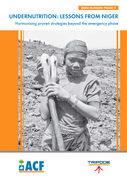
Harmonising proven strategies beyond the emergency phase. Zero Hunger Phase 2
WHO published and launched the third part of the Wheelchair Service Training Package (WSTP) series consisting of two sub-packages: the Wheelchair Service Training Package for Managers (WSTPm) and the Wheelchair Service Training Package for Stakeholders (WSTPs). WHO recognises that in order to develo...
FAO’s component of the Global COVID-19 Humanitarian Response Plan
18.5.2020
Presentation on WASH in Malawi
Building on previous guidelines, the People In Aid Code seeks to offer agencies an effective framework for human resources management, helping them assess and raise their performance.
The Multi-Cluster/Sector Initial Rapid Assessment (MIRA) is a joint needs assessment tool that can be used in sudden onset emergencies, including IASC System-Wide Level 3 Emergency Responses (L3 Responses).