
Filter
6438
Filtered Results: 6438
Text search:
non-health
sector
Featured
Recommendations
463
New Publications
1835
Language
Document type
No document type
3601
Studies & Reports
1286
Guidelines
667
Strategic & Response Plan
327
Manuals
314
Fact sheets
77
Training Material
75
Situation Updates
61
Resource Platforms
14
Infographics
9
Brochures
3
Online Courses
3
Dashboards/Maps
1
Countries / Regions
Global
310
India
282
Kenya
241
Nepal
172
South Africa
164
Uganda
158
Ethiopia
152
Sierra Leone
141
Nigeria
135
Myanmar / Burma
135
Liberia
134
Malawi
119
Bangladesh
117
Indonesia
116
Rwanda
109
Tanzania
104
Western and Central Europe
104
Zambia
102
Syria
96
Latin America and the Carribbean
96
Ghana
93
Africa
82
Namibia
77
Ukraine
65
Congo, Democratic Republic of
60
Philippines
54
Lesotho
51
Zimbabwe
51
South Sudan
49
South–East Asia Region
47
Cambodia
44
Asia
40
Senegal
39
Guinea
39
Eastern Europe
38
Mozambique
35
Haiti
35
East and Southern Africa
33
West and Central Africa
32
Botswana
32
Yemen
30
Middle East and North Africa
27
Burkina Faso
26
Venezuela
26
Germany
24
Eswatini/ Swaziland
24
Colombia
23
Cameroon
22
Jordan
21
Brazil
20
Benin
19
Afghanistan
17
Eastern Europe and Central Asia
17
Sudan
17
Central African Republic
17
Pakistan
17
Lebanon
16
Madagascar
16
Western Pacific Region
14
Mali
14
Somalia
14
Vietnam
13
Moldova
13
Thailand
12
China
12
Albania
11
Russia
11
Sri Lanka
10
Turkey
9
Peru
9
North America
9
Côte d’Ivoire / Ivory Coast
9
Iraq
9
Chile
8
Georgia
8
Iran
7
Laos
7
USA
7
Paraguay
7
Libya
7
North Macedonia
6
Tajikistan
6
Timor Leste/ East Timor
6
Togo
6
Burundi
6
Bolivia
6
Papua New Guinea
6
Ecuador
6
Kyrgyzstan
5
Southern Africa
5
Argentina
5
Palestine
5
Chad
5
Mexico
4
Serbia
4
Niger
4
Armenia
4
Jamaica
4
United Kingdom
4
Egypt
4
Romania
4
Poland
4
Honduras
4
Bhutan
4
El Salvador
3
Gambia
3
Hungary
3
Turkmenistan
3
Mauritius
3
Portugal
3
Spain
3
Greece
3
Angola
3
Kazakhstan
2
Uzbekistan
2
Guinea-Bissau
2
Croatia
2
Japan
2
Belarus
2
Israel
2
Bosnia and Herzegovina
2
Guatemala
2
North Korea
1
Canada
1
Fiji
1
Singapore
1
Estonia
1
Congo-Brazzaville
1
Malaysia
1
Vanuatu
1
Morocco
1
Mongolia
1
Qatar
1
Bulgaria
1
Italy
1
Dominican Republic
1
Lithuania
1
Ireland
1
Saudi Arabia
1
Gabon
1
Denmark
1
France
1
Maldives
1
Tunisia
1
Azerbaijan
1
Belize
1
Costa Rica
1
Guyana
1
Panama
1
Nicaragua
1
Slovakia
1
Authors & Publishers
Publication Years
Category
Countries
2900
Key Resources
449
Public Health
358
Clinical Guidelines
254
Women & Child Health
245
Capacity Building
85
Pharmacy & Technologies
39
Annual Report MEDBOX
2
Toolboxes
HIV
446
COVID-19
445
Mental Health
333
Planetary Health
300
TB
270
Disability
261
Conflict
243
AMR
195
Global Health Education
145
Health Financing Toolbox
143
Ebola & Marburg
136
Caregiver
133
Refugee
116
NTDs
110
Natural Hazards
104
Rapid Response
102
NCDs
101
Pharmacy
83
2.0 Rapid Response
71
Malaria
69
Cholera
26
Zika
23
Specific Hazards
21
Social Ethics
21
Polio
21
Typhoon
7
South Sudan
1
Financing Global Health 2016: Development Assistance, Public and Private Health Spending for the Pursuit of Universal Health Coverage presents a complete analysis of the resources available for health in 184 countries, with a particular focus on development assistance for health (DAH). DAH was estim...
Rehabilitation in health systems provides recommendations for Member States and other relevant stakeholders to strengthen and expand the availability of quality rehabilitation services. Currently, there is a significant unmet need for rehabilitation services and it is frequently undervalued in the h...

This document highlights the key aspects of safe health-care waste management in order to guide policy-makers, practitioners and facility managers to improve such services in health-care facilities. It is based on the comprehensive WHO handbook Safe management of wastes from health-care activities (...
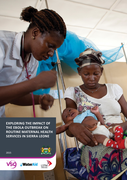

Towards Attaining the Highest Standard of Mental Health

An estimated 1.3 billion people – or 16% of global population worldwide – experience a significant disability today. Persons with disabilities have the right to the highest attainable standard of health as those without disabilities. However, the WHO Global report on health equity for persons w...

“towards quality health and social welfare services”
The Guidance Notes seek to help operationalize, simplify and standardize the collection and reporting of data through the application of common language and methods. They provide information on the key issues to take into account in the collection of health data and the types of data that should be ...
NHSP 2017- 2022 (Final draft)

The role of evidence in the journey towards universal health coverage is paramount. Financial risk protection monitoring, the major focus of this report, informs where the WHO African Region stands in reducing the financial hardship people face due to health expenses. This report details the status ...
The Policy Guidelines and Service Standards for National Sexual and Reproductive Health Programme document outlines the steps on how to offer and deliver services. Improving quality of care is critical to improving clients' health status as well as increasing access to, and utilization of Sexual and...

In this paper we aim to provide information on the importance of efficiency measurement of health care facilities in developing countries. We state that efficiency measurement can be a substantial contribution to saving lives. Therefore we analyse the performance of health centres in rural Burkina F...
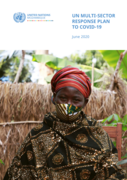
Mozambique registered its first COVID-19 case on 22 March 2020 and since then numbers have steadily grown over the following three months with cases now reported in all provinces. In response, a level 3 State of emergency was enacted on 1 April 2020 and has been extended until 29 July 2020, with mea...
