
Filter
92
Filtered Results: 92
Text search:
USAID
and
Epic
Featured
Recommendations
7
New Publications
37
Language
Document type
No document type
60
Studies & Reports
11
Strategic & Response Plan
6
Manuals
5
Guidelines
4
Situation Updates
3
Fact sheets
2
Training Material
1
Countries / Regions
Liberia
6
Nigeria
5
Haiti
5
Tanzania
4
Kenya
3
Sierra Leone
3
Guinea
3
Global
3
Uganda
3
Nepal
2
Malawi
2
Africa
2
Latin America and the Carribbean
2
Congo, Democratic Republic of
2
Zambia
2
Timor Leste/ East Timor
1
Thailand
1
Lesotho
1
Ghana
1
Cameroon
1
Niger
1
Zimbabwe
1
Mauritania
1
Philippines
1
Mozambique
1
Bangladesh
1
Sri Lanka
1
Yemen
1
India
1
Myanmar / Burma
1
Authors & Publishers
Publication Years
Category
Countries
39
Key Resources
6
Clinical Guidelines
5
Women & Child Health
5
Pharmacy & Technologies
3
Public Health
2
Toolboxes
HIV
14
Ebola & Marburg
11
COVID-19
8
Natural Hazards
7
TB
5
Global Health Education
3
Rapid Response
2
Refugee
2
Planetary Health
2
Health Financing Toolbox
2
2.0 Rapid Response
2
Conflict
2
AMR
2
Mental Health
1
Cholera
1
Caregiver
1
Pharmacy
1
Regional Network for Equity in Health in east and southern Africa (EQUINET): Disussion Paper 109
This report describes the evolution of mainland Tanzania’s EHB; the motivations for developing the EHBs, the methods used to develop, define and cost them; how it is being disseminated, communicat...
This report describes the evolution of mainland Tanzania’s EHB; the motivations for developing the EHBs, the methods used to develop, define and cost them; how it is being disseminated, communicat...
Thailand is exposed to flooding, landslides, drought, earthquakes, tsunamis, heat waves, forest fires, and epidemics. Thailand is also exposed to technological hazards such as chemical accidents. Flooding is the natural hazard with the most significant impact on human life, livelihoods, and the econ...

The 2014–2015 Ebola epidemic in western Africa was the longest and most deadly Ebola epidemic in history, resulting in 28,616 cases and 11,310 deaths in Guinea, Liberia, and Sierra Leone. The Ebola virus has been known since 1976, when two separate outbreaks were identified in the Democratic Repub...
DHS Further Analysis Reports No. 103

Approaches pratiques pour des interventions collaboratives

The COVID-19 pandemic has affected everyone, including key populations at higher risk of HIV. And the gains made against other infectious diseases, including HIV, are at risk of being reversed as a result of disruptions caused by COVID-19. This is the background to a new report published by FHI 360,...
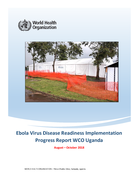
Risk of spill-over of EVD to Uganda has been categorised as very high. On 28 September 2018, WHO elevated the risk at the regional level which includes Uganda from ‘high’ to ‘very high’. Uganda has a very long and largely porous border with the DRC. High population movements across the borde...

Protecting Migrants or Reversing Migration? COVID-19 and the risks of a protracted crisis in Latin America

This Technical Brief reviews current practice and evidence on nutrition-specific preventive approaches to MAM, providing practical guidance for implementers and programme managers, and highlighting gaps in evidence and guidance.

To meet our Strategy objectives and get within reach
of the 2030 SDG 3 target related to the three diseases,
the Global Fund needs to raise US$18 billion for the
Eighth Replenishment. That sum is essential to drive the
required pace of progress in the fight against HIV, TB
and malaria, and to m...
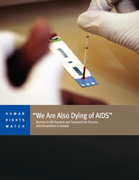
Barriers to HIV Services and Treatment for Persons with Disabilities in Zambia
The 80-page report documents the obstacles faced by people with disabilities in both the community and healthcare settings. These include pervasive stigma and discrimination, lack of access to inclusive HIV prevention ed...

Ending the epidemics of HIV, tuberculosis and malaria by 2030 is within reach, but not yet fully in our grasp.
With only 11 years left, we have no time to waste. We must step up the fight now.

A discussion paper on the scope of the problem, its drivers, and strategies for moving forward for policy, practice, and research
In many protracted emergencies, the prevalence rates of global acute malnutrition (GAM) regularly exceed the emergency threshold of > 15% of children with acute malnutri...

2nd edition.
The tool kit provides learning objects and curricular content to support the competencies for those proficiency/trainee levels

The classification of digital health interventions (DHIs) categorizes the different ways in which digital and mobile technologies are being used to support health system needs. Historically, the diverse communities working in digital health—including government stakeholders, technologists, clinic...
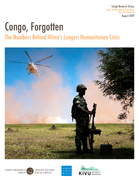
This report used the results of the Tracker’s first two years to examine the general trends of conflict in North and South Kivu, the main factors contributing to the violence, and the broader challenges for peacekeeping efforts.

The brief concludes that sustaining the continuity of EHS requires policies that ensure a whole-society and systems strengthening approach. This involves increased health care investment, community engagement, disease control regulations, and multisector approaches to improve resilience, EHS quality...

This is the fourth guidance note in a four-part series of notes related to impact evaluation developed by InterAction with financial support from the Rockefeller Foundation.This fourth guidance note, Use of Impact Evaluation Results, highlights three themes crucial for effective utilization of evalu...
