Filter
871
Filtered Results: 871
Text search:
Wallis,
C.
Featured
Recommendations
89
New Publications
232
Language
Document type
No document type
494
Guidelines
130
Studies & Reports
122
Manuals
74
Training Material
20
Strategic & Response Plan
18
Fact sheets
10
Infographics
2
Situation Updates
1
Countries / Regions
India
58
Global
28
South Africa
28
Nigeria
22
Liberia
21
Namibia
20
Kenya
19
Bangladesh
18
Sierra Leone
16
Philippines
16
Western and Central Europe
14
Uganda
14
Nepal
13
Ethiopia
12
Ghana
11
Latin America and the Carribbean
9
Zambia
9
Myanmar / Burma
9
Tanzania
8
Malawi
7
Zimbabwe
7
Africa
7
Brazil
7
Venezuela
5
Middle East and North Africa
5
Russia
5
Rwanda
4
Senegal
4
Guinea
4
Mozambique
4
Asia
4
South–East Asia Region
4
Eastern Europe
4
Botswana
4
Tajikistan
3
Colombia
3
Ukraine
3
Syria
3
Haiti
3
Cambodia
3
Congo, Democratic Republic of
3
Western Pacific Region
3
South Sudan
3
Lesotho
2
Cameroon
2
Peru
2
Germany
2
Bosnia and Herzegovina
2
Indonesia
2
Iraq
2
Somalia
2
Ecuador
2
Eswatini/ Swaziland
2
Serbia
1
Turkey
1
Benin
1
China
1
Kazakhstan
1
Albania
1
Laos
1
Kyrgyzstan
1
Afghanistan
1
Morocco
1
Mongolia
1
USA
1
West and Central Africa
1
Eastern Europe and Central Asia
1
North America
1
Turkmenistan
1
Algeria
1
East and Southern Africa
1
Argentina
1
Vietnam
1
Papua New Guinea
1
Moldova
1
Sudan
1
Yemen
1
Greece
1
Central African Republic
1
Honduras
1
Mali
1
Bhutan
1
Madagascar
1
Pakistan
1
Authors & Publishers
Publication Years
Category
Countries
334
Clinical Guidelines
83
Key Resources
82
Public Health
52
Women & Child Health
32
Capacity Building
22
Pharmacy & Technologies
16
Toolboxes
TB
56
HIV
45
Planetary Health
45
Mental Health
42
NTDs
40
COVID-19
38
Caregiver
36
Natural Hazards
32
Disability
28
Ebola & Marburg
23
Pharmacy
20
Malaria
19
Rapid Response
16
AMR
16
NCDs
15
Refugee
12
2.0 Rapid Response
12
Conflict
10
Global Health Education
10
Specific Hazards
7
Zika
7
Cholera
4
Polio
4
Social Ethics
3
Health Financing Toolbox
2
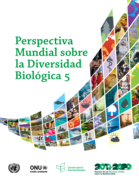
La Perspectiva Mundial sobre la Diversidad Biológica (PMB) es la principal publicación del Convenio sobre la Diversidad Biológica (CDB). Se trata de un informe periódico que resume los datos más recientes sobre la situación y las tendencias de la biodiversidad y extrae conclusiones pertinentes...
This module introduces the “Vaccinator’s Manual”, a guideline for vaccinators. The aim of the manual is to update EPI guidelines to include all the changes since the third edition of the Vaccinators Manual (2008)
Mass population movements have accounted for the emergence of Chagas disease (CD) outside endemic regions,
including the European Union/European Economic Area (EU/EEA). The parasite responsible for causing CD,
Trypanosoma cruzi (T. cruzi), can be transmitted through substances of human origin (SoH...
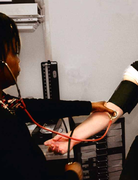
Primary care - Putting people first: This chapter describes how primary care brings promotion and prevention, cure and care together in a safe, effective and socially productive way at the interface between the population and the health system.
Fully functioning water, sanitation, hygiene (WASH) and health care waste management services are a critical aspect of infection prevention and control (IPC) practices, and ensuring patient safety and quality of care. Such services are also essential for creating an environment that supports the dig...
In aquaculture, antibiotics have been used mainly for therapeutic purposes and as prophylactic agents. The contribution to antimicrobial resistance of antibiotics used in aquaculture is reviewed here, using a risk analysis framework. Some recommendations on responsible conduct in this context are pr...

European Scientific Journal, November edition vol. 8, No.26 ISSN: 1857 – 7881 (Print) e - ISSN 1857- 7431
Accessed: 29.09.2019

Despite the significant role of vector control in national leishmaniasis control programmes, the programmatic community perceives vector control as the weakest component of leishmaniasis control strategies in terms of resources, scientific evidence of the usefulness of interventions and capacity for...

Technical guidance.
This technical guidance aims to inform policy and practice development specifically related to improving the health of older refugees and migrants within the European Union and the larger WHO European Region. Both ageing and migration are in themselves complex multidimensional p...
2nd edition. WHO's recommendation has not changed: the standard WHO susceptibility tests should remain a primary method by which resistance is detected. However, it was considered necessary to update the existing resistance-monitoring procedures to also highlight the need for operationally meaningfu...
With this World Health Day, WHO is drawing attention to a group of diseases that are spread by insects and other vectors, the heavy health and economic burdens they impose, and what needs to be done to reduce these burdens. Many of these diseases have been historically confined to distinct geographi...
Snakebites are well-known medical emergencies in many parts of the world, especially in rural areas. Agricultural workers and children are the most affected. The incidence of snakebite mortality is particularly high in South-East Asia. Rational use of snake anti-venom can substantially reduce mortal...
Global Happiness Council