
Filter
687
Filtered Results: 687
Text search:
MInistry
of
Health
and
Social
Services
Directorate
of
Special
Programmes,
Namibia
Featured
Recommendations
43
New Publications
269
Language
Document type
No document type
433
Studies & Reports
95
Guidelines
54
Strategic & Response Plan
44
Manuals
37
Training Material
16
Situation Updates
6
Resource Platforms
1
Fact sheets
1
Countries / Regions
India
62
Namibia
54
Bangladesh
43
Nepal
25
Ghana
25
Sierra Leone
24
Global
24
Ethiopia
21
Kenya
20
Zambia
17
Uganda
16
Syria
14
Myanmar / Burma
14
Malawi
13
Indonesia
13
Tanzania
12
Western and Central Europe
12
Ukraine
9
Haiti
9
Lesotho
8
Nigeria
8
Zimbabwe
8
Mozambique
8
Guinea
7
Liberia
7
Cambodia
6
Asia
6
Africa
5
Congo, Democratic Republic of
5
South Africa
5
South Sudan
5
North Macedonia
4
Timor Leste/ East Timor
4
Turkey
4
Senegal
4
Burkina Faso
4
Jordan
4
South–East Asia Region
4
Lebanon
4
Pakistan
4
Rwanda
3
Albania
3
Afghanistan
3
Venezuela
3
Latin America and the Carribbean
3
Eastern Europe
3
Botswana
3
Iraq
3
El Salvador
2
Cameroon
2
Iran
2
Peru
2
Egypt
2
Sudan
2
Tajikistan
1
Colombia
1
Serbia
1
Togo
1
Laos
1
Estonia
1
Niger
1
Morocco
1
Bulgaria
1
Germany
1
Saudi Arabia
1
West and Central Africa
1
Western Pacific Region
1
Paraguay
1
Mauritius
1
Tunisia
1
East and Southern Africa
1
Côte d’Ivoire / Ivory Coast
1
Moldova
1
Sri Lanka
1
Russia
1
Yemen
1
Greece
1
Georgia
1
Central African Republic
1
Mali
1
Bhutan
1
Madagascar
1
Eswatini/ Swaziland
1
Authors & Publishers
Publication Years
Category
Countries
433
Key Resources
32
Public Health
29
Clinical Guidelines
21
Women & Child Health
19
Capacity Building
4
Toolboxes
Mental Health
46
TB
33
Conflict
25
COVID-19
23
Disability
22
AMR
20
Refugee
18
HIV
16
Caregiver
15
Ebola & Marburg
14
Planetary Health
14
Rapid Response
13
NTDs
12
2.0 Rapid Response
11
Natural Hazards
10
NCDs
10
Pharmacy
8
Malaria
7
Global Health Education
5
Specific Hazards
4
Health Financing Toolbox
4
Cholera
2
Social Ethics
1
Zika
1
Polio
1
Typhoon
1
This 2016-2020 public-private mix strategic plan (PPM SP) is a 4-year framework designed to guide the National TB Control Programme (NTP) and its partners to implement PPM in Bangladesh. It provides goals, strategies and interventions for expanding and scaling up current PPM models and outlines appr...
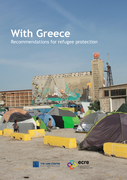
The information in this report is up-to-date as of June 2016.
The report, which follows a field visit to the country between 28 May and 6 June, also emphasises the need for international organisations to be mindful of the long present efforts of Greek lawyers and NGOs in the field, and recommends...
A Resource Book of Inclusive Practices

A compendium of TB REACH case studies, lessons learned and a monitoring and evaluation framework.
Accessed November 2017.
African countries, like many regions of the world, are affected by the legacy of atrocity crimes. Genocide, the transatlantic slave trade and slavery, colonialism and post-independence violence committed during dictatorships, not to mention civil war and violent extremism, have severely violated hum...

These include taking proactive measures to ensure that people, particularly people in vulnerable groups, can access HIV treatment and prevention services, designating and supporting essential workers, including community-led organizations, and implementing measures to prevent and address gender-base...

Strengthening the capacities of SUN Countries by sharing and disseminating good practices in the fight against malnutrition.
This report is a summary of the results of the preparation and implementation of the Learning Route (LR) organized jointly by the SUN (Scaling Up Nutrition) Movement’s S...

The toolkit comprises ready-to-use material designed expressly for World Bank task managers working in the water and sanitation sector. It presents a range of tools for gender analysis and practical “how-to” strategies collected from program and project experience around the world. It is one of ...
Burkina Faso remains one of the poorest countries in the world, with 44.5% of the population living below the poverty line. To promote the rights of persons with disabilities, the country has adopted almost all of the relevant initiatives and international legal texts on the rights of persons with d...
The National Institute for Transforming India (NITI) Aayog has developed the Composite Water Management Index (CWMI) to enable effective water management in Indian states in the face of extreme water stress. The Index and this associated report are expected to: (1) establish a clear baseline and ben...
March - December 2018
The Government of Bangladesh has kept its borders open to Rohingya refugees and leads the humanitarian response. The people of Bangladesh continue to show tremendous generosity and hospitality in the face of a massive influx. In keeping with its policies, the Government of Ban...
Recommendations to develop guidelines on community-based rehabilitation (CBR) were made during the International Consultation to Review Community-based Rehabilitation which was held in Helsinki, Finland in 2003. WHO; the International Labour Organization; the United Nations Educational, Scientific ...
A new publication - Waste Management during the COVID-19 Pandemic: from response to recovery - reviews current practices for managing waste from healthcare facilities, households and quarantine locations accommodating people with confirmed or suspected cases of COVID-19. Jointly produced by UNEP, th...

This regional action plan provides a broad framework for the regional level to assist governments in accelerating the implementation of existing international, regional and national commitments on ending FGM. Formulating the plan has provided an opportunity for the region to identify broad prioritie...

The annual Development Co-operation Report brings new evidence, analysis and ideas on
sustainable development to members of the OECD Development Assistance Committee (DAC) and the international community more broadly. The objectives are to promote best practices and innovation in development co-ope...
The third edition, released in 2018, has grown to include a total of 18 chapters, contributed by 20 experts and authors from many countries. The goal remains the same: to educate primary care providers on the best practices in TB diagnosis, treatment and follow-up. All articles are richly illustrate...
English Analysis on World about Climate Change and Environment, Recovery and Reconstruction and Epidemic; published on 26 Oct 2021 by UNEP

