Filter
4637
Filtered Results: 4637
Text search:
National
Primary
Health
Care
et
al.
Featured
Recommendations
355
New Publications
1052
Language
Document type
No document type
2531
Studies & Reports
1018
Guidelines
559
Manuals
238
Strategic & Response Plan
127
Training Material
65
Fact sheets
58
Situation Updates
25
Resource Platforms
9
Infographics
5
Brochures
1
Online Courses
1
Countries / Regions
Global
216
India
165
South Africa
139
Kenya
138
Western and Central Europe
105
Ethiopia
100
Latin America and the Carribbean
86
Malawi
81
Nigeria
79
Africa
78
Sierra Leone
74
Zambia
74
Nepal
73
Tanzania
73
Uganda
69
Bangladesh
63
Liberia
58
Myanmar / Burma
54
Ghana
51
Namibia
44
Ukraine
42
Syria
40
Rwanda
39
Philippines
37
Eastern Europe
35
South–East Asia Region
31
Senegal
29
Mozambique
29
Congo, Democratic Republic of
29
Brazil
29
Zimbabwe
28
Indonesia
26
Cambodia
25
Germany
25
Lesotho
24
Asia
24
Burkina Faso
23
Haiti
23
East and Southern Africa
22
Russia
22
Guinea
21
West and Central Africa
19
Eastern Europe and Central Asia
19
Middle East and North Africa
18
Botswana
18
South Sudan
17
Pakistan
16
Colombia
15
Chile
12
USA
12
Cameroon
11
Western Pacific Region
11
Vietnam
11
Afghanistan
10
Lebanon
10
Yemen
10
Thailand
9
Venezuela
9
Sri Lanka
9
Somalia
9
Eswatini/ Swaziland
9
Albania
8
Jordan
8
Sudan
8
Mali
8
Ecuador
8
Tajikistan
7
Mexico
7
China
7
Paraguay
7
Argentina
7
Georgia
7
Iraq
7
Benin
6
Laos
6
Peru
6
Southern Africa
6
Turkey
5
Libya
5
Madagascar
5
Iran
4
Canada
4
Kyrgyzstan
4
Armenia
4
North America
4
Moldova
4
Palestine
4
Central African Republic
4
Guatemala
4
North Macedonia
3
Timor Leste/ East Timor
3
El Salvador
3
United Kingdom
3
Papua New Guinea
3
Honduras
3
Kazakhstan
2
Estonia
2
Niger
2
Burundi
2
Morocco
2
Qatar
2
Saudi Arabia
2
Jamaica
2
Tunisia
2
Spain
2
Belarus
2
Côte d’Ivoire / Ivory Coast
2
Nicaragua
2
Egypt
2
Fiji
1
Singapore
1
Bulgaria
1
Italy
1
Dominican Republic
1
Croatia
1
Hungary
1
Lithuania
1
Ireland
1
Gabon
1
Turkmenistan
1
Japan
1
Denmark
1
Belgium
1
France
1
Mauritius
1
Portugal
1
Bosnia and Herzegovina
1
Latvia
1
Bolivia
1
Belize
1
Costa Rica
1
Panama
1
Djibouti
1
Romania
1
Slovakia
1
Greece
1
Poland
1
Chad
1
Authors & Publishers
Publication Years
Category
Countries
1601
Clinical Guidelines
398
Public Health
308
Women & Child Health
256
Key Resources
222
Capacity Building
84
Pharmacy & Technologies
38
Toolboxes
Mental Health
470
HIV
427
COVID-19
297
TB
261
Disability
185
Planetary Health
167
NTDs
160
Caregiver
158
NCDs
139
AMR
128
Conflict
88
Ebola & Marburg
86
Global Health Education
79
Health Financing Toolbox
77
Refugee
73
Rapid Response
67
Pharmacy
60
Malaria
51
2.0 Rapid Response
31
Natural Hazards
26
Polio
23
Specific Hazards
22
Zika
19
Social Ethics
18
Cholera
13
South Sudan
1
Frontiers in Pediatrics | www.frontiersin.org
1 April 2019 | Volume 7 | Article 159


PLOS Neglected Tropical Diseases September 2014 | Volume 8 | Issue 9 | e3016 DOI: 10.1371/journal.pntd.0003016
Time for recognition of lay counsellors
Accessed November 2017


Women and children, especially pregnant girls and women, infants and young children and postpartum women, are populations that are extremely vulnerable in emergencies. Breastfeeding provides children with hydration, comfort, connection, high quality nutrition and protection against disease, shieldin...
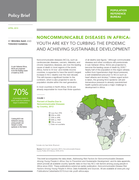
Policy Brief | April 2015 | This brief accompanies the data sheet, Addressing Risk Factors for Noncommunicable Diseases Among Young People in Africa: Key to Prevention and Sustainable Development, and its data appendix, which provide all available country-specific data on four key NCD risk factors a...
Accessed: 30.10.2019

IN THE AMOUNT OF SDR 21.8 MILLION (US$30 MILLION EQUIVALENT) WITH AN ADDITIONAL GRANT FROM THE GLOBAL FINANCING FACILITY (GFF) IN THE AMOUNT OF US$ 10 MILLION TO THE DEMOCRATIC REPUBLIC OF CONGO FOR A HUMAN DEVELOPMENT SYSTEMS STRENGTHENING PROJECT

Project Paper to provide an additional grant for: Human Development Systems Strengthening Project (HDSSP)(P145965, H9360)

The findings of the report are both urgent and devastating. At the current rate of progress, by 2040 we would still have 1.9 million new HIV infections and 990,000 AIDS-related deaths in children. But if funding for HIV prevention and treatment continues to fall as current trends suggest, the world ...