
Filter
5545
Filtered Results: 5545
Text search:
WHO-AIMS
Featured
Recommendations
493
New Publications
1392
Language
Document type
No document type
2881
Studies & Reports
960
Guidelines
681
Manuals
354
Strategic & Response Plan
270
Training Material
125
Fact sheets
125
Online Courses
55
Situation Updates
48
Resource Platforms
26
Brochures
10
Infographics
9
Videos
1
Countries / Regions
Global
288
India
219
Kenya
197
South Africa
133
Ethiopia
126
Western and Central Europe
123
Myanmar / Burma
112
Uganda
104
Nepal
98
Syria
94
Nigeria
89
Zambia
86
Sierra Leone
85
Malawi
82
Tanzania
82
Africa
81
Bangladesh
80
Liberia
76
Ghana
70
Rwanda
66
Ukraine
63
Philippines
55
Latin America and the Carribbean
54
Congo, Democratic Republic of
48
South Sudan
45
Namibia
44
West and Central Africa
39
Indonesia
38
East and Southern Africa
35
Asia
34
Zimbabwe
33
Mozambique
33
Middle East and North Africa
33
Lesotho
31
South–East Asia Region
31
Eastern Europe
29
Botswana
29
Yemen
28
Senegal
27
Guinea
27
Cambodia
27
Germany
26
Russia
25
Venezuela
23
Eastern Europe and Central Asia
23
Pakistan
22
Jordan
21
Lebanon
21
Burkina Faso
19
Haiti
19
Afghanistan
17
Brazil
17
Sudan
17
Central African Republic
16
Iraq
16
Somalia
16
Colombia
15
China
14
Cameroon
13
Laos
13
Vietnam
13
Mali
13
Thailand
12
Benin
12
Western Pacific Region
11
Eswatini/ Swaziland
11
Turkey
9
Sri Lanka
9
Iran
8
Peru
8
Moldova
8
Egypt
8
Tajikistan
7
Côte d’Ivoire / Ivory Coast
7
Palestine
7
Georgia
7
Poland
7
Chile
6
Niger
6
Libya
6
Timor Leste/ East Timor
5
Albania
5
Burundi
5
USA
5
North America
5
Tunisia
5
Romania
5
Angola
5
Serbia
4
Togo
4
Kazakhstan
4
Singapore
4
Kyrgyzstan
4
Italy
4
Hungary
4
Paraguay
4
Turkmenistan
4
United Kingdom
4
Papua New Guinea
4
Greece
4
Ecuador
4
Mexico
3
Gambia
3
Fiji
3
Malaysia
3
Morocco
3
Guinea-Bissau
3
Saudi Arabia
3
Japan
3
Mauritius
3
Portugal
3
Israel
3
Southern Africa
3
Bolivia
3
Bhutan
3
Madagascar
3
North Macedonia
2
Mongolia
2
Qatar
2
Croatia
2
Lithuania
2
Gabon
2
Jamaica
2
Spain
2
Belarus
2
Argentina
2
Djibouti
2
Slovakia
2
Chad
2
Guatemala
2
Switzerland
1
El Salvador
1
Canada
1
Estonia
1
Uzbekistan
1
Vanuatu
1
Bulgaria
1
Mauritania
1
Armenia
1
Ireland
1
Denmark
1
Belgium
1
Maldives
1
Morocco
1
Azerbaijan
1
Bosnia and Herzegovina
1
Honduras
1
Authors & Publishers
Publication Years
Category
Countries
2055
Key Resources
408
Public Health
336
Clinical Guidelines
308
Women & Child Health
279
Capacity Building
170
Pharmacy & Technologies
42
Annual Report MEDBOX
1
Toolboxes
Mental Health
476
COVID-19
446
HIV
346
Disability
256
TB
232
Planetary Health
229
Conflict
212
AMR
164
Caregiver
149
NTDs
138
Refugee
131
Global Health Education
129
Ebola & Marburg
124
NCDs
118
Rapid Response
103
Natural Hazards
85
Pharmacy
84
2.0 Rapid Response
73
Health Financing Toolbox
68
Malaria
59
Cholera
37
Specific Hazards
35
Social Ethics
34
Polio
31
Zika
20
Typhoon
2
South Sudan
1

Long-lasting insecticide-treated nets and/or indoor residual spraying, associated with case
management, are key interventions in the control of malaria in Africa. The objective of this
study is to comment on the role of social and behavior change communication as a potential
key intervention in t...

Grounded in the foundations of child centered community development, the success of this strategy will be measured by how individual countries contribute to their child protection systems and partner at various levels to combat violence against children. This strategy is a result of a highly consult...
Turkey Syrian Refugee Resilience Plan 2020-2021
recommended
EMCDDA Insights - 11
Accessed: 14.03.2019

Substance use disorders
Chapter G.3

A summary of the national drug situation

The Republic of the Union of Myanmar’s National Strategic Plan on HIV/AIDS 2016–2020 is the strategic guide for the country’s response to HIV at national, state/regional and local levels. The framework describes the current dynamics of the HIV epidemic and articulates a strategy to optimize in...

Auslandaufenthalte Ausgabe 2, Juli 2019.
Ob aus humanitären, aus entwicklungspolitischen und volkswirtschaftlichen Gründen oder auch aus Gründen des Eigeninteresses – die Ausbreitung von Krankheiten einzudämmen, ist notwendig. Wir haben als Staatengemeinschaft dafür eine gemeinsame Verantwor...

The study on health facility preparedness for cholera outbreak response in Cameroon evaluates the ability of healthcare facilities in four cholera-prone districts to manage cholera outbreaks. The findings highlight significant weaknesses, including limited surveillance systems, inadequate access to ...
Further analysis of the 2011 Nepal Demographic and Health Survey
Sustainability 2020, 12, 1025

This document is produced by the Humanitarian Country Team and the United Nations Resident
Coordinator’s Office in Mozambique, with the support of the United Nations Office for the Coordination of
Humanitarian Affairs (OCHA). The projects reflected here support the national government. It covers...
Zimbabwe has, over the years, grappled with the repercussions of the climate crisis, which have led to erratic rainfall patterns characterized by either severe floods or prolonged periods of drought. The nation has experienced a concerning trend of numerous regions reporting rainfall levels below th...
Background
Noncommunicable diseases are major contributors to morbidity and mortality worldwide. Modifying the risk factors for these conditions, such as physical inactivity, is thus essential. Addressing the context or circumstances in which physical activity occurs may promote physical activity a...

Unmet mental health needs in the Region of the Americas are a leading source of morbidity and mortality, which result in tremendous health, social, and economic consequences. The COVID-19 pandemic has exacerbated the mental health crisis in the Region, necessitating urgent action at the highest leve...
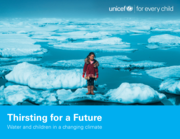
Children without access to safe water are more likely to die in infancy -- and throughout childhood -- from diseases caused by
water-borne bacteria, to which their small bodies are more vulnerable.

In 2006, the Special Session of African Union Health Ministers adopted the Maputo Plan of Action for implementing the Continental Policy Framework on sexual and reproductive health and rights (SRHR), which expired at the end of 2015. The goal was for all stakeholders and partners to join forces and ...

Every day, health-care providers are being attacked, patients discriminated against, ambulances held up at checkpoints, hospitals bombed, medical supplies looted and entire communities cut off from critical services around the world.
Between January 2012 and December 2014, the ICRC documented n...
Between January 2012 and December 2014, the ICRC documented n...

Smallpox eradication was certified in 1980. Mpox has been endemic in Central and West African countries since it was first detected in 1958 . It is a zoonosis; cases are often found close to tropical rainforests where various animals carry the orthopoxvirus that causes the disease. In endemic countr...
