
Filter
1792
Filtered Results: 1792
Text search:
Department
of
Health:
Republic
of
South
Africa
Featured
Recommendations
151
New Publications
453
Language
Document type
No document type
977
Studies & Reports
406
Guidelines
207
Manuals
83
Strategic & Response Plan
71
Training Material
17
Fact sheets
15
Situation Updates
10
Resource Platforms
3
Infographics
2
App
1
Countries / Regions
South Africa
133
Global
113
Nigeria
49
Africa
48
Kenya
47
Uganda
46
Ethiopia
43
Liberia
43
Zambia
37
Tanzania
34
Congo, Democratic Republic of
31
Sierra Leone
30
Rwanda
29
Malawi
28
Ghana
25
Namibia
23
South Sudan
23
East and Southern Africa
19
Asia
17
Latin America and the Carribbean
16
Mozambique
15
West and Central Africa
15
Western and Central Europe
15
Myanmar / Burma
15
Guinea
14
India
13
Bangladesh
12
Lesotho
11
Zimbabwe
11
Botswana
11
Cameroon
10
Syria
9
Yemen
9
Central African Republic
9
South–East Asia Region
8
Sudan
8
Senegal
7
Philippines
7
Middle East and North Africa
7
Colombia
6
Afghanistan
6
Haiti
6
Ukraine
5
Benin
5
Venezuela
5
Pakistan
5
Germany
4
Angola
4
Indonesia
4
Iraq
4
Somalia
4
Eswatini/ Swaziland
4
Nepal
3
Gambia
3
China
3
Albania
3
Cambodia
3
Jordan
3
Eastern Europe and Central Asia
3
Lebanon
3
Vietnam
3
Brazil
3
Russia
3
Mali
3
Thailand
2
Togo
2
Iran
2
Burkina Faso
2
Burundi
2
Western Pacific Region
2
North America
2
Southern Africa
2
Côte d’Ivoire / Ivory Coast
2
Sri Lanka
2
Palestine
2
Chad
2
Tajikistan
1
Timor Leste/ East Timor
1
Mexico
1
Turkey
1
Laos
1
Niger
1
Peru
1
Morocco
1
Saudi Arabia
1
Gabon
1
Turkmenistan
1
Japan
1
France
1
Mauritius
1
Tunisia
1
United Kingdom
1
Portugal
1
Spain
1
Eastern Europe
1
Papua New Guinea
1
Djibouti
1
Egypt
1
Greece
1
Georgia
1
Libya
1
Ecuador
1
Madagascar
1
Authors & Publishers
Publication Years
Category
Countries
597
Clinical Guidelines
144
Public Health
119
Women & Child Health
113
Key Resources
97
Capacity Building
28
Pharmacy & Technologies
15
Toolboxes
HIV
193
Mental Health
154
COVID-19
104
TB
99
Disability
83
NTDs
72
Planetary Health
69
Ebola & Marburg
57
Global Health Education
46
Refugee
41
Conflict
40
Caregiver
39
Health Financing Toolbox
39
Rapid Response
36
AMR
36
NCDs
29
Pharmacy
28
Malaria
20
2.0 Rapid Response
19
Cholera
17
Natural Hazards
16
Zika
11
Polio
9
Specific Hazards
4
Social Ethics
3
South Sudan
1
Typhoon
1
The APCA Atlas provides the most up-to-date information of palliative care development in nearly all countries in Africa, using indicators derived, rated, and chosen by in-country African experts followed by a thorough Delphi consensus process with a panel of international experts on palliative care...

This publication is a compendium of 49 country examples highlighting efforts in improving refugees’ and migrants’ health following the adoption of the WHO Global Action Plan on Promoting the health of refugees and migrants at the seventy-second World Health Assembly, in May 2019.
Medical Journal of Zambia, Volume 36 Number 4 (2009)
One Health 5 (2018) 34–36
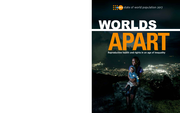
Unchecked inequality and failure to protect the rights of poorest women could undermine peace and world’s development goals, new UNFPA report warns:
- Only about half of the world’s women hold paid jobs
- Globally, women earn 77 per cent of what men get
- Three in five women worldwide lack m...
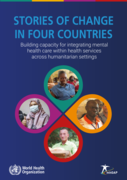
The world is facing an unprecedented range of emergencies. In reaction to these complex adversities, many people experience considerable distress and impairment, and a minority may even go on to develop mental health conditions. Meanwhile, those with pre-existing mental health conditions may experie...
This document provides a summary of infection control recommendations when providing direct and non-direct care to patients with suspected or confirmed Filovirus haemorrhagic fever (HF), including Ebola or Marburg haemorrhagic fevers. These recommendations are interim and will be updated when additi...

No Public Health without Refugee and Migrant health.
This report, the first of its kind, creates an evidence base with the aim of catalysing progress towards developing and promoting migrant-sensitive health systems in the 53 Member States of the WHO European Region and beyond. This report seeks to...
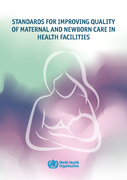
The standards of care cover the routine care and management of complications occurring for women and their babies during labour, childbirth and the early postnatal period, including those of small babies during the first week of life. They define priorities for improving the quality of maternal and ...

WHO Ghana 2022 annual report
recommended
“2022 was an eventful year for the WHO Country Office in Ghana,” says Dr Francis Kasolo, WHO Representative to Ghana.
In 2022, WHO Ghana collaborated with partners to deliver interventions in support of the Government of Ghana's health sector agenda to ensure healthy lives for all towards ach...
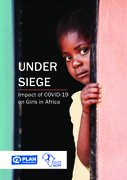
The COVID-19 pandemic has exacerbated and added yet another layer of vulnerability to an already dire web of vulnerabilities of girls in the African continent, which constitute about 49% of the total child population. Critically, gender equality and girls’ multidimensional vulnerability have been ...

This document provides a list of key WHO-recommended maternal and newborn health commodities and aims to accelerate progress towards the SDGs. It consolidates the key and enabling commodities from existing WHO guidelines on maternal and newborn health.

This training and guidance module addresses the use of coercive and violent practices in mental health and related services with a particular focus on seclusion and restraint. It aims to promote a greater understanding of why these practices are used and build practical skills to help end these prac...
Researchers focused on mental health of conflict-affected children are increasingly interested in the concept of resilience. Knowledge on resilience may assist in developing interventions aimed at improving positive outcomes or reducing negative outcomes, termed promotive or protective interventions...
