
Filter
10315
Filtered Results: 10315
Text search:
WHO
guidelines
Featured
Recommendations
1036
New Publications
2544
Language
Document type
No document type
5506
Guidelines
1767
Studies & Reports
1434
Manuals
620
Strategic & Response Plan
355
Fact sheets
245
Training Material
205
Situation Updates
77
Resource Platforms
35
Infographics
30
Brochures
19
Online Courses
13
App
4
Videos
4
Dashboards/Maps
1
Countries / Regions
India
508
Global
407
Kenya
281
South Africa
232
Nepal
199
Nigeria
197
Uganda
196
Ethiopia
185
Sierra Leone
179
Western and Central Europe
171
Liberia
163
Tanzania
150
Zambia
146
Latin America and the Carribbean
144
Malawi
138
Myanmar / Burma
138
Africa
133
Bangladesh
130
Rwanda
119
Ghana
117
Namibia
113
Ukraine
100
Syria
94
Russia
90
Indonesia
88
Philippines
83
Brazil
82
Congo, Democratic Republic of
72
Eastern Europe
69
Mozambique
62
Zimbabwe
61
South Sudan
59
Senegal
57
Lesotho
56
Cambodia
56
South–East Asia Region
56
Asia
52
Haiti
50
Middle East and North Africa
50
Guinea
48
East and Southern Africa
47
West and Central Africa
45
Germany
43
Colombia
42
Burkina Faso
41
Botswana
40
Yemen
38
Eastern Europe and Central Asia
36
Eswatini/ Swaziland
30
Cameroon
26
Paraguay
26
Pakistan
24
Venezuela
23
Angola
20
Thailand
19
USA
19
Western Pacific Region
19
Argentina
19
Mali
19
Lebanon
18
Vietnam
18
Benin
16
Afghanistan
16
Peru
16
Sudan
16
Jordan
15
Sri Lanka
15
Somalia
15
Central African Republic
14
Madagascar
14
Laos
13
Spain
13
Côte d’Ivoire / Ivory Coast
13
Tajikistan
12
China
12
Iraq
12
Chile
11
Guinea-Bissau
11
Georgia
11
Ecuador
11
El Salvador
10
Albania
9
Bolivia
9
Moldova
9
Togo
8
North America
8
United Kingdom
8
Portugal
8
Southern Africa
8
Turkey
7
Burundi
7
Palestine
7
Honduras
7
Timor Leste/ East Timor
6
Iran
6
Kyrgyzstan
6
Niger
6
Chad
6
Bhutan
6
North Macedonia
5
Mexico
5
Armenia
5
Hungary
5
Saudi Arabia
5
Japan
5
Romania
5
Greece
5
Libya
5
Guatemala
5
Kazakhstan
4
Papua New Guinea
4
Egypt
4
Gambia
3
Fiji
3
Estonia
3
Uzbekistan
3
Morocco
3
Dominican Republic
3
Jamaica
3
Nicaragua
3
Poland
3
Serbia
2
Australia
2
Canada
2
Singapore
2
Malaysia
2
Qatar
2
Italy
2
Uruguay
2
Turkmenistan
2
Belgium
2
Mauritius
2
Belarus
2
Israel
2
Bosnia and Herzegovina
2
North Korea
1
Switzerland
1
Congo-Brazzaville
1
Vanuatu
1
Bulgaria
1
Mauritania
1
Croatia
1
Lithuania
1
Gabon
1
Denmark
1
France
1
Maldives
1
Tunisia
1
Norway
1
Azerbaijan
1
Latvia
1
Belize
1
Costa Rica
1
Guyana
1
Oman
1
Panama
1
Djibouti
1
Slovakia
1
Solomon Islands
1
Authors & Publishers
Publication Years
Category
Countries
3885
Clinical Guidelines
850
Key Resources
662
Women & Child Health
585
Public Health
546
Capacity Building
241
Pharmacy & Technologies
127
Annual Report MEDBOX
3
Toolboxes
COVID-19
980
HIV
825
Mental Health
768
TB
610
Disability
369
Caregiver
330
AMR
319
NTDs
297
Ebola & Marburg
264
Planetary Health
254
Conflict
232
NCDs
229
Rapid Response
211
Pharmacy
207
Refugee
159
Malaria
141
Natural Hazards
133
2.0 Rapid Response
118
Global Health Education
109
Zika
88
Cholera
80
Specific Hazards
61
Polio
56
Health Financing Toolbox
51
Social Ethics
38
Typhoon
6

The Quadripartite organizations have developed the One Health Priority Research Agenda for AMR report, this is a joint initiative to assist in directing and catalysing scientific interest and financial investments for the priority research agenda across sectors for countries and funding bodies. The ...

The development of the Country Cooperation Strategy (CCS) was based on a consultative and participatory process with strong commitment and support from the Ministry of Health of Ghana. The CCS draws on lessons from the implementation of the first, and second generation CCSs, the country focus strate...


The review’s objectives are to review progress in TB control with emphasis on DOTS strategy implementation, summarize the experience, lessons learnt and methods of work and to make recommendations for international donors, technical agencies and the Ministry of Health.

Practical considerations
It provides more detailed and practical guidance for continuing services for each life stage across the life-course continuum. As such, both documents should be read and used together. The countries in South-East Asia and the Pacific regions would like to adapt the guidance...

Available in Arabic, Chinese, English, French, Russian and Spanish. You can download a summary of the main report and background documents!
The report demonstrates that the current system—at both national and international levels— was not adequate to protect people from COVID-19. The time it t...
The main purpose of the training package is to develop the minimum skills and knowledge required by personnel involved in wheelchair service delivery. An important aim of the training package is to get it integrated into the regular paramedical/rehabilitation training programs such as physiotherapy,...

Kenya in undergoing an epidemiological transition marked by a decline in morbidity and mortality due to communicable conditions, and an increase in the burden of non-communicable diseases (NCDs), which include diseases such as diabetes, cancers, cardiovascular diseases and chronic respiratory infect...
The introduction of vaccines for coronavirus disease 2019 (COVID-19) added another measure to the existing set of
recommended preventive measures (wearing a mask in public, keeping a distance from other people and regular handwashing). The roll-out of the vaccines, however, raised concerns that vac...
- The goal of diagnostic testing for Ebola and Marburg virus diseases is to identify cases to provide timely and appropriate care and to stop disease transmission.
- All individuals meeting the case definition for Ebola or Marburg virus diseases should be tested.
- The recommended sample type ...

31 Janaury 2021
SCORE for health data technical package. The first global assessment on the status and capacity of health information systems in 133 countries, covering 87% of the global population.
It identifies gaps and provides guidance for investment in areas that can have the greatest impact ...

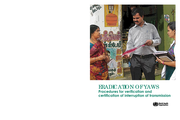
This document sets out the criteria and procedures to be followed by countries in verifying the interruption of yaws transmission. It is intended for use by international verification teams, national yaws eradication programmes and WHO technical staff involved in the eradication of yaws.

Areas for action include: increasing prioritisation and awareness of dementia; reducing the risk of dementia; diagnosis, treatment and care; support for dementia carers; strengthening information systems for dementia; and research and innovation.
Les pays progressent vers la réalisation de l’objectif mondial tendant à ce que, d’ici 2025, 95 pour cent des personnes qui vivent avec le VIH connaissent leur statut sérologique. Cependant, en 2020, on estimait encore à 6 millions le nombre de personnes séropositives non diagnostiquées da...


Mpox, previously known as monkeypox, is a viral illness caused by the monkeypox virus (MPXV).1
It causes a painful rash, enlarged lymph nodes, fever, headache, muscle ache, back pain and low energy or feeling sick. In most cases, the symptoms of mpox go away within a few weeks with supportive care...
