Filter
3515
Filtered Results: 3515
Text search:
psychosocial
needs
Featured
Recommendations
352
New Publications
842
Language
Document type
No document type
2076
Studies & Reports
487
Guidelines
388
Manuals
194
Strategic & Response Plan
146
Training Material
73
Fact sheets
63
Situation Updates
62
Brochures
10
Resource Platforms
9
Infographics
4
Online Courses
3
Countries / Regions
Global
131
India
124
Kenya
103
Syria
97
Liberia
80
Sierra Leone
77
South Africa
74
Western and Central Europe
67
Uganda
66
Myanmar / Burma
66
Bangladesh
63
Ukraine
62
Nigeria
61
Congo, Democratic Republic of
57
Ethiopia
55
Nepal
49
Zambia
48
Latin America and the Carribbean
43
Malawi
42
Africa
42
South Sudan
41
Rwanda
39
Philippines
34
Tanzania
34
Mozambique
33
Eastern Europe
31
Namibia
31
Guinea
30
Ghana
29
Haiti
27
Zimbabwe
24
South–East Asia Region
24
Lebanon
23
Yemen
23
Venezuela
21
Asia
19
Germany
19
Afghanistan
18
Russia
17
Lesotho
16
Jordan
16
West and Central Africa
16
Indonesia
16
Central African Republic
15
Middle East and North Africa
14
East and Southern Africa
14
Brazil
14
Botswana
13
Colombia
12
Pakistan
12
Cambodia
11
Eastern Europe and Central Asia
11
Turkey
10
Senegal
10
Burkina Faso
10
Somalia
10
Sri Lanka
9
Sudan
9
Vietnam
8
Palestine
8
Georgia
8
Iraq
8
Eswatini/ Swaziland
8
Albania
7
Burundi
7
Peru
7
Moldova
7
Tajikistan
6
Thailand
6
Cameroon
6
Mali
6
Angola
6
China
5
Laos
5
USA
5
Greece
5
North Macedonia
4
Benin
4
Togo
4
Canada
4
Niger
4
Guinea-Bissau
4
Western Pacific Region
4
Papua New Guinea
4
Serbia
3
Kazakhstan
3
Iran
3
Malaysia
3
Croatia
3
Turkmenistan
3
Jamaica
3
United Kingdom
3
Romania
3
Libya
3
Madagascar
3
Mexico
2
Gambia
2
Singapore
2
Estonia
2
Kyrgyzstan
2
Uzbekistan
2
Armenia
2
Hungary
2
Lithuania
2
Portugal
2
Belarus
2
Southern Africa
2
Côte d’Ivoire / Ivory Coast
2
Egypt
2
Poland
2
Bhutan
2
El Salvador
1
Chile
1
Fiji
1
Mongolia
1
Bulgaria
1
Mauritania
1
Ireland
1
Saudi Arabia
1
Paraguay
1
Japan
1
Denmark
1
Belgium
1
Mauritius
1
Tunisia
1
Spain
1
Algeria
1
Azerbaijan
1
French Guyana
1
Bosnia and Herzegovina
1
Bolivia
1
Argentina
1
Nicaragua
1
Chad
1
Ecuador
1
Guatemala
1
Authors & Publishers
Publication Years
Category
Countries
1181
Key Resources
221
Women & Child Health
188
Clinical Guidelines
163
Public Health
137
Capacity Building
101
Pharmacy & Technologies
5
Annual Report MEDBOX
3
Toolboxes
Mental Health
655
COVID-19
337
HIV
325
Disability
235
Conflict
206
Ebola & Marburg
140
Refugee
129
TB
100
Caregiver
91
Natural Hazards
85
Rapid Response
48
NCDs
44
Planetary Health
43
NTDs
32
Global Health Education
29
2.0 Rapid Response
21
Social Ethics
17
Zika
16
Health Financing Toolbox
11
Specific Hazards
10
Pharmacy
8
AMR
6
Polio
5
Cholera
4
Typhoon
4
Malaria
2
South Sudan
1

PARTICIPANT GUIDE.
This Participant Guide has been designed to assist health facilities and community based non-clinicians to develop skills to provide linkage to care, adherence and retention in care services for chronic conditions
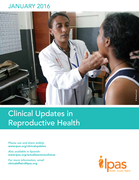
The publication is designed to provide Ipas staff, trainers, partners and other health-care providers with access to up-to-date, evidence-based recommendations. In general, the recommendations are the same as those in the World Health Organization’s 2012 Safe Abortion: Technical and Policy Guidanc...
Creating a common approach ro regulation, educational preparation and practice: future direction for nursing & midwifery development in the African Region
Department of AIDS Control
Ministry of Health & Family Welfare
The Government of Botswana’s SRH Policy Guidelines and Service Standards document provides the framework for developing a responsive strategy and an implementation plan for SRHR and HIV&AIDS Linkages and Integration. The global call on governments to demonstrate commitments to intensify linkages b...



This new guideline on non-clinical interventions to reduce unnecessary caesarean sections incorporates the views, fears and beliefs of both women and health professionals about caesarean sections. It also considers the complex dynamics and limitations of health systems and organizations and relation...


How to respond to, mitigate, and prevent risks to children’s protection and well-being is a profound, if unanswered, question. Practitioners agree that it is necessary to develop or strengthen protective factors at multiple levels, such as the family, community, and national levels.
The primary audience of these recommendations includes healthcare providers who are responsible for developing national and local health protocols (particularly those related to hypertensive disorders of pregnancy), and those directly providing care to pregnant women and their newborns, including mi...

The rise of the discourse of 'trauma' as a major articulator of suffering within Western culture is a facet of the medicalization of life that has gathered pace in the last century. In recent years, Western mental health professionals have been increasingly involved in services addressing the plight...