
Filter
3005
Filtered Results: 3005
Text search:
malaria
knowledge
Featured
Recommendations
247
New Publications
979
Language
Document type
No document type
1833
Studies & Reports
503
Guidelines
269
Manuals
156
Strategic & Response Plan
115
Training Material
64
Fact sheets
23
Situation Updates
19
Online Courses
8
Resource Platforms
6
Infographics
5
Brochures
3
Videos
1
Countries / Regions
India
129
Global
128
Kenya
122
Sierra Leone
99
Uganda
90
Nigeria
86
Ethiopia
86
Liberia
85
Tanzania
81
Malawi
79
Rwanda
72
Nepal
63
Zambia
60
Ghana
57
Africa
53
South Africa
51
Myanmar / Burma
50
Namibia
43
Bangladesh
42
Congo, Democratic Republic of
32
Mozambique
30
Cambodia
29
Latin America and the Carribbean
28
Asia
27
Indonesia
27
Zimbabwe
25
Western and Central Europe
25
Senegal
23
Philippines
22
Lesotho
21
Haiti
21
Guinea
19
East and Southern Africa
17
South Sudan
17
South–East Asia Region
16
Cameroon
15
West and Central Africa
15
Eastern Europe
15
Burkina Faso
14
Botswana
14
Ukraine
11
Eswatini/ Swaziland
11
Pakistan
10
Venezuela
9
Thailand
8
Benin
8
Vietnam
8
China
7
Middle East and North Africa
7
Russia
7
Sudan
7
Syria
6
Burundi
6
Mali
6
Tajikistan
5
Colombia
5
Laos
5
Afghanistan
5
Malaysia
5
Western Pacific Region
5
Papua New Guinea
5
Yemen
5
Chad
5
Madagascar
5
Timor Leste/ East Timor
4
Togo
4
Albania
4
Peru
4
Brazil
4
Georgia
4
Somalia
4
North Macedonia
3
Iran
3
Jordan
3
Germany
3
Eastern Europe and Central Asia
3
North America
3
Côte d’Ivoire / Ivory Coast
3
Central African Republic
3
Serbia
2
Gambia
2
Singapore
2
Armenia
2
Dominican Republic
2
Paraguay
2
Southern Africa
2
Bolivia
2
Argentina
2
Lebanon
2
Moldova
2
Sri Lanka
2
Egypt
2
Honduras
2
Angola
2
El Salvador
1
Turkey
1
Uzbekistan
1
Morocco
1
Qatar
1
Guinea-Bissau
1
Saudi Arabia
1
Turkmenistan
1
Japan
1
Maldives
1
Mauritius
1
Tunisia
1
Belize
1
Costa Rica
1
Guyana
1
Panama
1
Nicaragua
1
Romania
1
Greece
1
Bhutan
1
Iraq
1
Ecuador
1
Solomon Islands
1
Guatemala
1
Authors & Publishers
Publication Years
Category
Countries
1379
Public Health
179
Clinical Guidelines
169
Women & Child Health
165
Key Resources
156
Capacity Building
80
Pharmacy & Technologies
28
Toolboxes
HIV
275
TB
151
Planetary Health
113
Malaria
108
AMR
108
Ebola & Marburg
97
COVID-19
97
NTDs
89
Caregiver
73
Global Health Education
63
Pharmacy
60
Disability
57
Mental Health
55
Health Financing Toolbox
46
Rapid Response
45
Natural Hazards
33
Conflict
31
2.0 Rapid Response
26
NCDs
18
Cholera
15
Zika
14
Refugee
13
Polio
12
Social Ethics
6
Specific Hazards
3
South Sudan
1
Typhoon
1
The current SEARVAP (South-East Asia regional vaccine action plan) describes a set of regional goals and objectives for immunization and control of vaccine-preventable diseases for 2016 – 2020 and highlights priority actions, targets and indicators that address the specific needs and challenges of...
Antimicrobial resistance (AMR) is described as a situation when bacteria, viruses, fungi and parasites
change over time and no longer respond to medicines, making infections harder or impossible to treat,
and increasing the risk of disease spread, severe illness and death.1 AMR in recent years has...
In 2024, we need US$1.5 billion to provide live-saving health care to millions of people in emergencies. An alarming combination of conflict, climate-related threats and increasing economic hardship mean an estimated 166 million people require health assistance.

As part of our commitment to the fight against NCDs, Nigeria was signatory to the political declaration at the UN General Assembly High Level Meeting on NCDs in September 2011. Thus, the purpose of this document is to develop and ensure the implementation of policies and p...

Uganda is Africa's largest refugee-hosting country and ranks fifth globally. Over the decades, Uganda has hosted refugees from nations including South Sudan, the Democratic Republic of Congo, Eritrea, Somalia, Sudan, Burundi, and Rwanda. As of early 2024, it hosts 1 600 000 refugees, primarily in re...
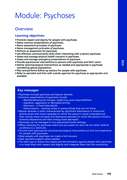
Overview
Learning objectives
• Promote respect and dignity for people with psychoses.
• Name common presentations of psychoses.
• Name assessment principles of psychoses.
• Name management principles of psychoses.
• Perform an assessment for psychoses.
• Use effective communicatio...
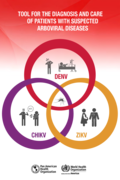
It is Zika virus (ZIKV) that most often causes these neurological effects it appears to be the only arbovirus than can cause congenital malformations such as microcephaly. In any case, more scientific tests are needed to establish the causal relationship between the virus and this malformation (7-10...


UNAIDS Joint United Nations Programme on HIV/AIDS

10 years after the UN general assembly special session on drugs

A Guide for UNICEF Staff
Towards the Peoples Health Assembly Book - 5

doi: 10.9745/GHSP-D-16-00226; Glob Health Sci Pract December 23, 2016 vol. 4 no. 4 p. 626-646
El Niño conditions persisting during the 2015/16 planting season have caused the worst drought in 35 years in Southern Africa, resulting in a second consecutive failed harvest. This has created severe food shortages and compounded existing vulnerabilities. Since July 2016, Namibia and Botswana have...

This report explores community-focused change initiatives in the financing, organization, and delivery of mental health services in Peru from 2013 to 2016. It examines the national dimension of reforms but focuses above all on implementation and results in the economically fragile district of Caraba...
