
Filter
3503
Filtered Results: 3503
Text search:
global
aids
response
Featured
Recommendations
285
New Publications
988
Language
Document type
No document type
2263
Studies & Reports
518
Guidelines
343
Strategic & Response Plan
125
Manuals
124
Training Material
44
Fact sheets
42
Infographics
18
Situation Updates
15
Resource Platforms
6
Brochures
3
Online Courses
2
Countries / Regions
Global
142
Kenya
126
India
116
Zambia
84
South Africa
83
Nigeria
80
Ethiopia
73
Malawi
72
Uganda
72
Africa
65
Nepal
63
Tanzania
61
Sierra Leone
59
Myanmar / Burma
59
Liberia
56
Namibia
53
Western and Central Europe
51
Bangladesh
50
Lesotho
49
Rwanda
48
Ghana
45
Zimbabwe
45
Ukraine
41
Asia
34
Latin America and the Carribbean
31
Eastern Europe
31
Indonesia
27
Philippines
26
South–East Asia Region
26
Mozambique
23
Russia
23
Cambodia
22
Senegal
21
East and Southern Africa
20
Congo, Democratic Republic of
19
Botswana
17
Cameroon
14
Syria
11
Burkina Faso
11
West and Central Africa
11
Brazil
11
Eswatini/ Swaziland
11
Pakistan
11
Tajikistan
10
Guinea
10
Haiti
10
South Sudan
10
Thailand
9
Albania
9
Venezuela
9
Middle East and North Africa
9
Georgia
8
China
7
North Macedonia
6
Germany
6
Lebanon
6
Vietnam
6
Armenia
5
Angola
5
Afghanistan
4
Jordan
4
Western Pacific Region
4
North America
4
Southern Africa
4
Papua New Guinea
4
Moldova
4
Central African Republic
4
Madagascar
4
Benin
3
Iran
3
Laos
3
Kyrgyzstan
3
Jamaica
3
Argentina
3
Sri Lanka
3
Colombia
2
El Salvador
2
Kazakhstan
2
Peru
2
Bulgaria
2
USA
2
Guinea-Bissau
2
Hungary
2
Eastern Europe and Central Asia
2
Japan
2
Portugal
2
Egypt
2
Sudan
2
Yemen
2
Romania
2
Honduras
2
Mali
2
Iraq
2
Switzerland
1
Timor Leste/ East Timor
1
Mexico
1
Serbia
1
Gambia
1
Togo
1
Canada
1
Fiji
1
Niger
1
Uzbekistan
1
Burundi
1
Morocco
1
Dominican Republic
1
Croatia
1
Paraguay
1
Gabon
1
Turkmenistan
1
Belgium
1
Norway
1
Spain
1
Azerbaijan
1
Belarus
1
Bosnia and Herzegovina
1
Belize
1
Costa Rica
1
Panama
1
Nicaragua
1
Slovakia
1
Poland
1
Chad
1
Libya
1
Bhutan
1
Somalia
1
Guatemala
1
Authors & Publishers
Publication Years
Category
Countries
1384
Clinical Guidelines
221
Public Health
163
Women & Child Health
154
Key Resources
152
Capacity Building
64
Pharmacy & Technologies
33
Annual Report MEDBOX
2
Toolboxes
HIV
746
TB
295
COVID-19
160
Mental Health
140
Disability
138
Health Financing Toolbox
80
Caregiver
66
AMR
59
Global Health Education
51
Ebola & Marburg
46
Malaria
46
Conflict
45
NTDs
43
Planetary Health
40
Rapid Response
34
Refugee
34
Pharmacy
33
NCDs
27
Natural Hazards
24
2.0 Rapid Response
21
Cholera
18
Polio
18
Social Ethics
11
Specific Hazards
10
Zika
8
South Sudan
1

Participant Manual
October 2009
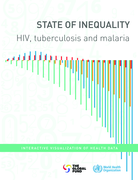
The World Health Organization and the Global Fund to Fight AIDS, Tuberculosis and Malaria are part of a group of agencies working together to accelerate progress towards the health-related SDGs through the Global Action Plan for Healthy Lives and Well-being for All. Understanding patterns of inequal...

There has been no systematic comparison of how the policy response to past infectious disease outbreaks and epidemics was funded. This study aims to collate and analyse funding for the Ebola epidemic and Zika outbreak between 2014 and 2019 in order to understand the shortcomings in funding reporting...

This guidance note developed by UNICEF is intended to help WASH staff in their preparedness and response to the current COVID-19 pandemic. It provides an overview of Infection Prevention and Control (IPC) and its intersection with water, sanitation and hygiene (WASH), and how staff can help prevent ...
2023 was another year of significant progress in the fight against HIV, tuberculosis (TB) and malaria. In countries where the Global
Fund invests, there has been a full recovery from the disruptive impact of the COVID-19 pandemic. The results we have achieved in the last year build on our extraord...
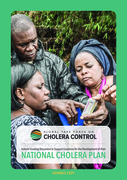
The Global Task Force on Cholera Control (GTFCC) launched Ending Cholera: A Global
Roadmap to 2030 (Global Roadmap) (1), a strategy that aims to reduce global cholera
deaths by 90% and eliminate the disease in at least 20 countries by 2030. It is
organized according to three main axes:
• E...
The National AIDS Control Council recognizes the growing, organized and progressive inter-faith religious voice in the spheres of governance and development in Kenya. Across the country, the Faith Sector has been involved in HIV prevention, treatment, care and support to programmes towards...
PEPFAR Malawi’s Country Operational Plan 2022 (COP22) embodies joint priorities from national and subnational dialogues building on the 2020-2025 National Strategic Plan for HIV/AIDS. The interagency team has developed a person-centered, district-tailored and Malawi Population-Based HIV Impact Ass...
This FY 2019 Malaria Operational Plan presents a detailed implementation plan for Burkina Faso, based on the strategies of PMI and the National Malaria Control Program (NMCP). It was developed in consultation with the NMCP and with the participation of national and international partners involved in...

This Guidance was developed in response to the increase in HIV-related human rights crises and the shrinking civic space for rights-related responses to HIV in recent years across the world. This document builds upon existing guidance documents, offering updated guidance for country-based United Nat...

In Control: A Practical Handbook for Professionals Working in Health Emergencies Internationally RKI
The greatest risk to persons engaging in international medical emergency response is poor preparation.
The In Control handbook hopes to provide a remedy.
At the time of writing, we are living through the Coronavirus (COVID-19) pandemic, a health emergency that disregards physical borders, brin...
The goal of the global outbreak response for monkeypox is to stop human-to-human transmission of monkeypox, with a priority focus on communities at high risk of exposure which may differ according to context, and to effectively use strong public health measures to prevent onward spread of the diseas...

UNAIDS/WHO Working Group on Global HIV/AIDS and STI Surveillance

Adolescents and young adults aged 10-24 remain underserved in the global response against HIV. Combination prevention, treatment and care programmes use a mix of evidence-based interventions to meet the current HIV prevention needs of adolescents and young adults. However, there needs to be a focus ...

Defending Rights
Breaking Barriers
Reaching People with HIV Services
Global Aids Update 2019

This second edition of the “living paper” contributes to the global knowledge on how countries are responding to the pandemic by documenting real-time actions in a key area of response – that is, social protection measures planned or implemented by governments.
For the purpose of this revie...
First WHO Global Ministerial Conference
Ending TB in the Sustainable Development Era: A Multisectoral Response
Moscow, Russian Federation, 16-17 November 2017
