
Filter
1154
Filtered Results: 1154
Text search:
Williams,
G.
Featured
Recommendations
103
New Publications
187
Language
Document type
No document type
619
Studies & Reports
267
Guidelines
166
Manuals
53
Strategic & Response Plan
19
Fact sheets
12
Training Material
10
Situation Updates
4
Resource Platforms
4
Countries / Regions
Global
65
India
22
Africa
21
Uganda
19
Russia
19
South Africa
18
Western and Central Europe
17
Brazil
16
Nigeria
15
Kenya
14
Ghana
14
Sierra Leone
14
Latin America and the Carribbean
13
Eastern Europe
13
Liberia
13
Tanzania
11
Ukraine
9
Syria
8
Indonesia
8
Lesotho
7
Senegal
7
Malawi
7
Zimbabwe
7
Argentina
7
Ethiopia
7
Nepal
6
Colombia
6
China
6
Rwanda
6
Guinea
6
Mozambique
6
Congo, Democratic Republic of
6
Philippines
5
Asia
5
Germany
5
Middle East and North Africa
5
Zambia
5
South Sudan
5
El Salvador
4
Cameroon
4
Burkina Faso
4
USA
4
Bangladesh
4
Ecuador
4
Myanmar / Burma
4
Chile
3
Peru
3
Venezuela
3
West and Central Africa
3
Eastern Europe and Central Asia
3
North America
3
Namibia
3
Yemen
3
Angola
3
Eswatini/ Swaziland
3
Tajikistan
2
Benin
2
Albania
2
United Kingdom
2
East and Southern Africa
2
Botswana
2
Iraq
2
Thailand
1
Turkey
1
Kazakhstan
1
Canada
1
Singapore
1
Estonia
1
Kyrgyzstan
1
Qatar
1
Guinea-Bissau
1
Jordan
1
Paraguay
1
Latvia
1
Southern Africa
1
Côte d’Ivoire / Ivory Coast
1
Lebanon
1
Papua New Guinea
1
Sudan
1
Chad
1
Pakistan
1
Authors & Publishers
Publication Years
Category
Countries
260
Clinical Guidelines
147
Public Health
76
Women & Child Health
69
Key Resources
33
Capacity Building
15
Pharmacy & Technologies
12
Toolboxes
Mental Health
192
TB
100
HIV
91
COVID-19
90
Planetary Health
54
NTDs
51
NCDs
43
Disability
41
Caregiver
41
Ebola & Marburg
28
Health Financing Toolbox
25
AMR
25
Pharmacy
17
Social Ethics
16
Refugee
13
Zika
13
Global Health Education
12
Natural Hazards
11
Malaria
10
Specific Hazards
8
Rapid Response
7
Conflict
7
Cholera
2
2.0 Rapid Response
2
Polio
2

Stenotrophomonas maltophiliais a nonfermenting Gram-negative rod that is ubiquitous in nature (predominantly occurring in aquatic environments and on plants). Biochemically, it iscatalase positive and oxidase negative, and it produces acid frommaltose (hence the name“maltophilia”). Due to it...

The report underscores that sexual and reproductive health and rights are often the first to be sacrificed during epidemics and that the gains of the past decade must be protected. The report also makes it clear that scarce resources must be focused on the most marginalized women and girls, includin...

Current evidence that the climate is changing is overwhelming. Impacts of climate change and variability are being observed: more intense heat-waves, fires and floods; and increased prevalence of food- water- and vector-borne diseases. Climate change will put pressure on environmental and health det...
Published: November 24, 2020 https://doi.org/10.1371/journal.pbio.3000938
Climate change is expected to have complex effects on infectious diseases, causing some to increase, others to decrease, and many to shift their distributions. There have been several important advances in understanding the ...

Pharmaceutical News
Evaluation of Saccharide Content of the WHO 2nd International Standard for Haemophilus Influenzae Polysaccharide Polyribosyl Ribitol Phosphate (PRP) by HPAECPAD Analysis Following Acid Hydrolysis
Consultation Documents
Lamivudine and tenofovir disoproxil fumarate tablets (lami...

Access to health workers who are fit for purpose, motivated and protected is a fundamental force of health service delivery and the achievement of universal health coverage and the health and health-related Sustainable Development Goals. Data and knowledge of the distribution, skill mix and future d...

Los días 2, 3 y 4 de diciembre del 2008, se realizó la reunión subregional “Alimentación y Nutrición del Niño Pequeño”, en la ciudad de Lima-Perú. El propósito general de la reunión fue analizar la interrelación entre la salud, la nutrición y el desarrollo infantil, dentro del marco...
November 3, 2009https://doi.org/10.1371/journal.pmed.1000176
PLoS Med 6(11): e1000176. https://doi.org/10.1371/journal.pmed.1000176
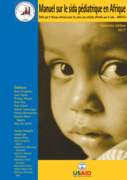
Manuel sur le sida pédiatrique en Afrique
recommended
Ce manuel donne une vue d’ensemble des connaissances scientifiques actuelles sur l’infection à VIH ainsi que des technologies et des outils utilisés pour prévenir cette infection, pour améliorer la qualité de vie des personnes infectées et pour réduire les effets du VIH sur les enfants et...
23 December 2020 This document summarizes WHO recommendations for the rational use of personal protective equipment (PPE) in health care settings and temporary strategies during acute supply shortages. This document also contains 2 Annex sections describing updated PPE use recommendations for health...

We need to be concerned about mental health in the context of climate change

The document explains why vector control is important in national programmes and describes the preparation of a tailor-made vector control plan for national programmes. It outlines entomological procedures for regular and specific vector control and how data should be analysed for better overall und...

The World Heart Federation (WHF) Roadmap series covers a large range of cardiovascular conditions. These Roadmaps identify potential roadblocks and their solutions to improve the prevention, detection and management of cardiovascular diseases and provide a generic global framework available for loca...

Asthma is the most common chronic condition in children worldwide. It affects daytime activities, sleep and school attendance and causes anxiety to parents, families and other carers. The quality of asthma diagnosis and management globally still needs substantial improvement. From infancy to the tee...
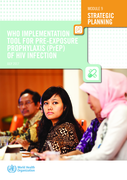
Module 9
Strategic planning
July 2017
Module 9: Strategic planning. As WHO recommends offering PrEP to people at substantial HIV risk, this module offers public health guidance for policy-makers on how to prioritize services, in order to reach those who could benefit most from PrEP, and in wh...
In Climate Change 2014: Impacts, Adaptation, and Vulnerability. Part A: Global and Sectoral Aspects. Contribution of Working Group II to the Fifth Assessment Report of the Intergovernmental Panel on Climate Change
