
Filter
7472
Filtered Results: 7472
Text search:
county
health
team
Featured
Recommendations
667
New Publications
2090
Language
Document type
No document type
4109
Studies & Reports
1246
Guidelines
917
Manuals
470
Strategic & Response Plan
340
Training Material
143
Fact sheets
104
Situation Updates
97
Resource Platforms
21
Brochures
11
Infographics
7
Online Courses
5
Videos
2
Countries / Regions
India
327
Global
310
Kenya
270
Sierra Leone
201
Uganda
184
Liberia
183
Ethiopia
169
South Africa
165
Nepal
149
Nigeria
149
Myanmar / Burma
145
Rwanda
125
Bangladesh
121
Zambia
121
Malawi
119
Africa
113
Tanzania
111
Ghana
109
Western and Central Europe
105
Syria
104
Latin America and the Carribbean
93
Congo, Democratic Republic of
89
Namibia
84
Ukraine
80
South Sudan
74
Philippines
71
Lesotho
54
Guinea
54
Mozambique
52
West and Central Africa
49
Cambodia
48
South–East Asia Region
45
Zimbabwe
44
Indonesia
44
Yemen
43
Haiti
42
Asia
42
Senegal
41
East and Southern Africa
41
Eastern Europe
36
Botswana
34
Afghanistan
33
Burkina Faso
31
Venezuela
29
Pakistan
28
Cameroon
27
Middle East and North Africa
26
Central African Republic
26
Germany
25
Brazil
24
Eswatini/ Swaziland
24
Colombia
23
Russia
22
Eastern Europe and Central Asia
20
Vietnam
20
China
19
Mali
19
Somalia
18
Madagascar
18
Thailand
17
Benin
17
Lebanon
17
Sudan
16
Jordan
15
Western Pacific Region
14
Côte d’Ivoire / Ivory Coast
14
Moldova
14
Iraq
14
Laos
13
Tajikistan
12
Turkey
11
Peru
11
Albania
10
Sri Lanka
10
Angola
10
USA
9
North Macedonia
8
Togo
8
Iran
8
Papua New Guinea
8
Chad
8
Gambia
7
Kyrgyzstan
7
Niger
7
Burundi
7
North America
7
Georgia
7
Mexico
6
Serbia
6
Kazakhstan
6
Bolivia
6
Argentina
6
Palestine
6
Ecuador
6
Timor Leste/ East Timor
5
El Salvador
5
Chile
5
Armenia
5
United Kingdom
5
Portugal
5
Spain
5
Southern Africa
5
Egypt
5
Poland
5
Libya
5
Bhutan
5
Malaysia
4
Guinea-Bissau
4
Hungary
4
Paraguay
4
Turkmenistan
4
Romania
4
Greece
4
Honduras
4
Croatia
3
Jamaica
3
Japan
3
France
3
Bosnia and Herzegovina
3
Singapore
2
Estonia
2
Congo-Brazzaville
2
Uzbekistan
2
Vanuatu
2
Bulgaria
2
Mauritania
2
Italy
2
Mauritius
2
Tunisia
2
Azerbaijan
2
Belarus
2
Djibouti
2
Guatemala
2
North Korea
1
Canada
1
Fiji
1
Morocco
1
Mongolia
1
Qatar
1
Dominican Republic
1
Lithuania
1
Ireland
1
Saudi Arabia
1
Gabon
1
Uruguay
1
Maldives
1
Norway
1
South Korea
1
Morocco
1
Latvia
1
Nicaragua
1
Slovakia
1
Solomon Islands
1
Authors & Publishers
Publication Years
Category
Countries
3073
Key Resources
546
Clinical Guidelines
478
Public Health
404
Women & Child Health
381
Capacity Building
168
Pharmacy & Technologies
62
Annual Report MEDBOX
3
Toolboxes
COVID-19
613
HIV
497
Mental Health
453
Ebola & Marburg
301
Disability
295
TB
275
Conflict
256
Caregiver
221
Planetary Health
212
NTDs
197
Rapid Response
182
AMR
180
Refugee
137
Natural Hazards
124
NCDs
117
Pharmacy
112
Global Health Education
112
2.0 Rapid Response
105
Health Financing Toolbox
82
Malaria
81
Polio
49
Cholera
47
Zika
44
Specific Hazards
43
Social Ethics
24
Typhoon
7
South Sudan
2
Assessment of the quality of institutional care for adults with psychosocial and intellectual disabilities in the WHO European Region.
The specific objectives of the project were to address gaps in knowledge about the number and characteristics of such long-term institutions and to identify deficie...

As a public good, antimicrobial medicines require rational use if their effectiveness is to be preserved. However, up to 50% of antibiotic use is inappropriate, adding considerable costs to patient care, and increasing morbidity and mortality. In addition, there is compelling evidence that antimicro...

This casebook collects 64 case studies, each of which raises an important and difficult ethical issue connected with planning, reviewing, or conducting health-related research. The book’s purpose is to contribute to thoughtful analysis of these issues by researchers and members of research ethics ...

1-13 December 2018 | Geneva, Switzerland UNAIDS Programme Coordinating Board Issue date: 23 November 2018
UNAIDS/PCB (43)/18.32

This document provides recommendations on essential measures to protect the health and safety of operators and other persons involved in emergency vector control of Aedes spp. mosquitoes, including space spraying of insecticides, larvicide application and, in some cases, indoor residual spraying. It...

he WHO global disability action plan 2014-2021 is a significant step towards achieving health and well-being and human rights for people with disabilities. The action plan was endorsed by WHO Member States in 2014 and calls for them to remove barriers and improve access to health services and progra...
The World Health Organization Disability Assessment Schedule (WHODAS 2.0) is a generic assessment instrument developed by WHO to provide a standardized method for measuring health and disability across cultures. It was developed from a comprehensive set of International Classification of Functioning...
Responding to Outbreaks of Antimicrobial-resistant Pathogens in Health-care Facilities: Guidance for the Western Pacific Region is developed following requests from Member States in the Western Pacific Region for additional information and support in managing AMR outbreaks. It aims to provide: a ste...

This manual summarizes the methodology used to develop WHODAS 2.0 and the findings obtained when the schedule was applied to certain areas of general health, including mental and neurological disorders.
The manual will be useful to any researcher or clinician wishing to use WHODAS 2.0 in their prac...
Further analysis of the 2011 Nepal Demographic and Health Survey


This report presents findings from research conducted by Economist Impact to assess the health, demographic, social and economic impacts associated with different scenarios for financing the HIV epidemic across 13 selected countries in Sub-Saharan Africa. The sponsorship of UNAIDS towards this repor...

Further analysis of the 2011 Nepal Demographic and Health Survey
Diets are changing everywhere, and the burden of disease associated with unhealthy diets is a worldwide concern. Measurement and monitoring of diets across countries and population groups is critical. However, there are no harmonized metrics for tracking how the healthfulness of diets around the wor...

The 2023 meeting of the WHO Clinical Consortium on Healthy Ageing (CCHA) was the group’s ninth gathering and took place in Geneva 5–7 December 2023. The meeting was structured around seven panels, with a series of technical presentations, plenary discussions and group work, and a final session o...
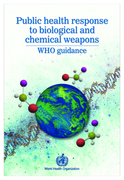
The message contained in this publication is clear: countries need a
public health system that can respond to the deliberate release of
chemical and biological agents. Regrettable though this message may
be, the use of poison gas in the war between Iraq and the Islamic
Republic of Iran in the 19...
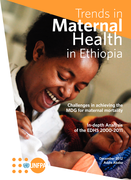
Challenges in achieving the MDG for maternal mortality. In-depth analysis of the EDHS 2000-2011
