
Filter
12577
Filtered Results: 12577
Text search:
fund
Featured
Recommendations
903
New Publications
3142
Language
Document type
No document type
6543
Studies & Reports
2429
Guidelines
1507
Manuals
662
Strategic & Response Plan
524
Fact sheets
327
Training Material
200
Situation Updates
161
Infographics
89
Resource Platforms
61
Brochures
46
Online Courses
14
Videos
9
Dashboards/Maps
4
App
1
Countries / Regions
Global
600
India
371
Kenya
326
Latin America and the Carribbean
293
Ethiopia
245
Sierra Leone
217
Myanmar / Burma
212
Nigeria
210
Uganda
209
South Africa
201
Nepal
199
Liberia
181
Syria
179
Western and Central Europe
179
Africa
174
Brazil
172
Malawi
171
Rwanda
163
Zambia
163
Tanzania
162
Bangladesh
156
Mozambique
152
Ukraine
135
Venezuela
134
Ghana
129
Congo, Democratic Republic of
128
Namibia
114
Germany
112
Paraguay
112
Argentina
103
Senegal
97
Colombia
95
South Sudan
92
Philippines
85
Eastern Europe
81
Lesotho
80
Indonesia
80
Zimbabwe
78
Cambodia
76
Yemen
76
Haiti
73
Guinea
67
Asia
63
South–East Asia Region
63
Middle East and North Africa
56
East and Southern Africa
54
Russia
53
Burkina Faso
52
West and Central Africa
52
Botswana
50
Cameroon
49
Peru
49
Angola
49
Central African Republic
45
Bolivia
42
Chile
41
Afghanistan
41
Ecuador
39
Madagascar
35
Pakistan
35
Eastern Europe and Central Asia
33
El Salvador
32
Lebanon
31
Mali
31
Eswatini/ Swaziland
30
Guinea-Bissau
29
Sudan
28
Somalia
27
Thailand
24
Jordan
24
Benin
23
Western Pacific Region
22
Vietnam
20
Iraq
20
Tajikistan
19
China
19
Côte d’Ivoire / Ivory Coast
19
Mexico
17
Moldova
17
Albania
16
Spain
16
Turkey
15
Sri Lanka
15
Honduras
15
Laos
13
North America
13
Guatemala
13
Niger
12
Burundi
12
Georgia
12
Togo
11
USA
11
Portugal
11
Libya
11
North Macedonia
10
Palestine
10
Chad
10
Kyrgyzstan
9
Greece
9
Iran
8
Armenia
8
Dominican Republic
8
Papua New Guinea
8
Gambia
7
Kazakhstan
7
United Kingdom
7
Southern Africa
7
Nicaragua
7
Romania
7
Poland
7
Timor Leste/ East Timor
6
Serbia
6
Hungary
6
Uruguay
6
Egypt
6
Canada
5
Uzbekistan
5
Italy
5
Turkmenistan
5
Jamaica
5
Bhutan
5
Malaysia
4
Japan
4
Tunisia
4
Belarus
4
Fiji
3
Morocco
3
Croatia
3
Saudi Arabia
3
Gabon
3
Belgium
3
France
3
Mauritius
3
Bosnia and Herzegovina
3
Djibouti
3
North Korea
2
Switzerland
2
Singapore
2
Estonia
2
Congo-Brazzaville
2
Vanuatu
2
Mongolia
2
Bulgaria
2
Mauritania
2
Lithuania
2
Maldives
2
Azerbaijan
2
Israel
2
Slovakia
2
Qatar
1
Ireland
1
Luxembourg
1
Denmark
1
Norway
1
South Korea
1
Algeria
1
Morocco
1
Latvia
1
Belize
1
Costa Rica
1
Panama
1
Solomon Islands
1
Cuba
1
Authors & Publishers
Publication Years
Category
Countries
5007
Key Resources
712
Clinical Guidelines
674
Women & Child Health
663
Public Health
575
Capacity Building
210
Pharmacy & Technologies
96
Annual Report MEDBOX
3
Toolboxes
COVID-19
1218
HIV
886
Mental Health
859
TB
648
Disability
540
Planetary Health
478
Conflict
413
NTDs
341
Refugee
321
Caregiver
303
Ebola & Marburg
293
AMR
293
Health Financing Toolbox
266
Global Health Education
224
NCDs
193
Rapid Response
182
Natural Hazards
175
Pharmacy
165
Malaria
152
2.0 Rapid Response
108
Social Ethics
95
Cholera
93
Zika
77
Polio
66
Specific Hazards
51
Typhoon
14
South Sudan
2

The African Regional Convening of the Global Initiative to Support Parents (GISP) stimulated the interest or engagement of almost 1500 individuals from 742 unique organizations in the fields of health, education, social welfare, women’s affairs, early childhood, water and sanitation, mental health...

Financing Global Health 2015 is the seventh edition of IHME’s annual series on global health financing. This report captures trends in development assistance for health (DAH) and government health expenditure as source (GHE-S) in low- and middle-income countries. Annually updated GHE-S and DAH est...
The increasing amounts of official development assistance (ODA) for health have been aimed primarily at fighting HIV/AIDS, malaria and tuberculosis. Neglected tropical diseases (NTD), one of the most serious public health burdens among the most deprived communities, have only recently drawn the atte...

COVID-19 has resulted in an unprecedented global crisis. As the pandemic spreads and countries around the world continue to struggle to contain its health and socio-economic consequences, UNRWA is issuing a new humanitarian appeal from August through December 2020 to address the worst impacts of the...
WHO and UNICEF have established recommendations for breastfeeding practices. Although every mother decides how to feed her child, this decision is strongly influenced by economic, environmental, social and political factors. The Global Breastfeeding Scorecard analyzes indicators on how countries pro...
With sustained economic growth in many parts of the developing world, an increasing number of countries are transitioning away from the most subsidized development finance as they exceed income and other qualification requirements. Cross-country evidence suggests that Development Assistance Committe...

Every country has been affected by COVID-19, with nearly a quarter
of a billion cases and almost 5 million deaths reported globally as of
end of September 2021. Despite the stunning speed with which highly
effective and safe vaccines have been developed, new waves of disease
are still pushin...
The report covers: drivers of humanitarian crises in the region, particularly the intensification of violence in the DRC; manifestations of humanitarian needs, including record levels of displacement and food insecurity; and constraints to meeting humanitarian needs, including obstacles to humanitar...

R4D conducted a thorough desk review and qualitative fiscal space analysis, 19 interviews about financing for the three diseases and the extent of alignment between public financial management systems and health policy objectives, and a validation workshop with government officials.
Tanzania’...
Tanzania’...

In 2015 around 15 million people living with HIV were receiving antiretroviral treatment (ART) in sub–Saharan Africa. Sustained provision of ART, though both prudent and necessary, creates substantial long–term fiscal obligations for countries affected by HIV/ AIDS. As donor assistance for healt...

COP24 special report: health and climate change
recommended
Exposure to air pollution causes 7 million deaths worldwide every year and costs an estimated US$ 5.11 trillion in welfare losses globally. In the 15 countries that emit the most greenhouse gas emissions, the health impacts of air pollution are estimated to cost more than 4% of their GDP. Actions to...

By December of 2019, an estimated 5.3 million Venezuelans would have left the country, migrating in search of opportunities, health services and an overall search to improve the socio-economic conditions of themselves and their families. This is the largest migration in the history of the Americas. ...
Clinical Microbiology and Infection Volume 21, Issue 5, May 2015, Pages 433-443;
The neglected zoonotic diseases (NZDs) have been all but eradicated in wealthier countries, but remain major causes of ill-health and mortality across Africa, Asia, and Latin America. This neglect is, in part, a conse...

Action Plan for Implementation of Recommendations from the Evaluation of PAHO's Response to COVID-19
An external team evaluated PAHO’s response to COVID-19 to provide an independent assessment of the Pan American Sanitary Bureau’s (PASB) performance regarding preparedness for and response to the COVID-19 pandemic. The evaluations’ final report culminates with eight recommendations for actions...
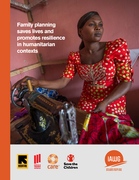
Globally, it is estimated that 128.6 million people are currently in need of humanitarian assistance. Of these individuals, approximately one-fourth are women and girls of reproductive age. Although family planning is one of the most life-saving, empowering, and cost-effective interventions for wome...
Nepal is on target to meet the Millennium Development Goals for maternal and child health despite high levels of poverty, poor infrastructure, difficult terrain and recent conflict. Each year, nearly 35000 Nepali children die before their fifth birthday, with almost two-thirds of these deaths occurr...
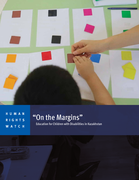
The government of Kazakhstan has committed to ensuring that children with disabilities have access to inclusive education and it has taken the important step of ratifying international human rights treaties enshrining the rights of people with disabilities, including the right of children with disab...

Addressing comorbidities and risk factors for TB is a crucial component of Pillar one of the End TB Strategy, which focuses on integrated patient-centred care and prevention, including action on TB and comorbidities. The Framework for collaborative action on TB and comorbidities aims to support coun...

The COVID-19 pandemic has resulted in a double shock - health and economic. As of March 1, 2021, COVID-19 has cost more than 2.5 million lives and triggered an economic recession surpassing any economic downturn since World War II.
Part I of this paper explores the impact of this current macro-fisc...
