
Filter
7466
Filtered Results: 7466
Text search:
county
health
team
Featured
Recommendations
666
New Publications
2089
Language
Document type
No document type
4114
Studies & Reports
1244
Guidelines
909
Manuals
470
Strategic & Response Plan
340
Training Material
142
Fact sheets
104
Situation Updates
97
Resource Platforms
21
Brochures
11
Infographics
7
Online Courses
5
Videos
2
Countries / Regions
India
327
Global
310
Kenya
270
Sierra Leone
201
Uganda
183
Liberia
183
Ethiopia
169
South Africa
165
Nepal
149
Nigeria
149
Myanmar / Burma
145
Rwanda
125
Bangladesh
121
Zambia
121
Malawi
119
Africa
113
Tanzania
111
Ghana
109
Western and Central Europe
106
Syria
104
Latin America and the Carribbean
93
Congo, Democratic Republic of
89
Namibia
84
Ukraine
80
South Sudan
74
Philippines
71
Lesotho
54
Guinea
54
Mozambique
52
West and Central Africa
49
Cambodia
48
South–East Asia Region
45
Zimbabwe
44
Indonesia
44
Yemen
43
Haiti
42
Asia
42
Senegal
41
East and Southern Africa
41
Eastern Europe
36
Botswana
34
Afghanistan
33
Burkina Faso
31
Venezuela
29
Pakistan
28
Cameroon
27
Middle East and North Africa
26
Central African Republic
26
Germany
25
Brazil
24
Eswatini/ Swaziland
24
Colombia
23
Russia
22
Eastern Europe and Central Asia
20
Vietnam
20
China
19
Mali
19
Somalia
18
Madagascar
18
Thailand
17
Benin
17
Lebanon
17
Sudan
16
Jordan
15
Western Pacific Region
14
Côte d’Ivoire / Ivory Coast
14
Moldova
14
Iraq
14
Laos
13
Tajikistan
12
Turkey
11
Peru
11
Albania
10
Sri Lanka
10
Angola
10
USA
9
North Macedonia
8
Togo
8
Iran
8
Papua New Guinea
8
Chad
8
Gambia
7
Kyrgyzstan
7
Niger
7
Burundi
7
North America
7
Georgia
7
Mexico
6
Serbia
6
Kazakhstan
6
Bolivia
6
Argentina
6
Palestine
6
Ecuador
6
Timor Leste/ East Timor
5
El Salvador
5
Chile
5
Armenia
5
United Kingdom
5
Portugal
5
Spain
5
Southern Africa
5
Egypt
5
Poland
5
Libya
5
Bhutan
5
Malaysia
4
Guinea-Bissau
4
Hungary
4
Paraguay
4
Turkmenistan
4
Romania
4
Greece
4
Honduras
4
Croatia
3
Jamaica
3
Japan
3
France
3
Bosnia and Herzegovina
3
Singapore
2
Estonia
2
Congo-Brazzaville
2
Uzbekistan
2
Vanuatu
2
Bulgaria
2
Mauritania
2
Italy
2
Mauritius
2
Tunisia
2
Azerbaijan
2
Belarus
2
Djibouti
2
Guatemala
2
North Korea
1
Canada
1
Fiji
1
Morocco
1
Mongolia
1
Qatar
1
Dominican Republic
1
Lithuania
1
Ireland
1
Saudi Arabia
1
Gabon
1
Uruguay
1
Maldives
1
Norway
1
South Korea
1
Morocco
1
Latvia
1
Nicaragua
1
Slovakia
1
Solomon Islands
1
Authors & Publishers
Publication Years
Category
Countries
3071
Key Resources
546
Clinical Guidelines
479
Public Health
404
Women & Child Health
381
Capacity Building
169
Pharmacy & Technologies
62
Annual Report MEDBOX
3
Toolboxes
COVID-19
613
HIV
491
Mental Health
453
Ebola & Marburg
301
Disability
295
TB
275
Conflict
256
Caregiver
221
Planetary Health
212
NTDs
197
Rapid Response
182
AMR
180
Refugee
137
Natural Hazards
124
NCDs
117
Pharmacy
112
Global Health Education
112
2.0 Rapid Response
105
Health Financing Toolbox
82
Malaria
81
Polio
49
Cholera
47
Zika
44
Specific Hazards
43
Social Ethics
24
Typhoon
7
South Sudan
2
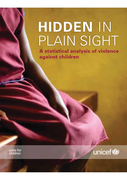
Interpersonal violence – in all its forms – has a grave effect on children: Violence undermines children’s future potential; damages their physical, psychological and emotional well-being; and in many cases, ends their lives. The report sheds light on the prevalence of different forms of viole...

Managing Sexual Violence against Aid Workers aims to support aid agencies in preventing, being prepared for and responding to incidents of sexual violence against their staff. It is intended as a good practice guide to help strengthen existing processes and support organisations as they set up their...
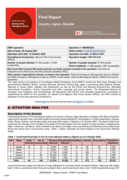
Following flood levels of the hydrological stations monitored in Niamey (Niger Republic) and Malan Ville (Benin Republic) reaching the red alert zone, torrential rainfall and ensuing floods affected 91,254 people or 15,209 households in Jigawa, Kebbi, Kwara, Sokoto, and Zamfara state (amongst other ...

The Participation Handbook for humanitarian field workers contains detailed practical advice on the participation of affected people in humanitarian action. It has three sections:
Developing a participatory approach (main issues, key factors, building mutual respect, communication methods and...
African countries, like many regions of the world, are affected by the legacy of atrocity crimes. Genocide, the transatlantic slave trade and slavery, colonialism and post-independence violence committed during dictatorships, not to mention civil war and violent extremism, have severely violated hum...

An action research conducted in Bang Shau village Northern Shan State, Myanmar
Detailed adapted physical activities are provided with practical guides, group sport guides and assessment tools in order to promote a more inclusive society through sports
The Toolkit for Child Friendly Spaces in Humanitarian Settings was developed by
the International Federation of the Red Cross and Red Crescent Societies Reference
Centre for Psychosocial Support and World Vision International. The toolkit provides
a set of materials to assist managers and facilit...

Travailler avec les dirigeants communautaires pour lutter contre la VBG est une très bonne et prometteuse approche, car les dirigeants communautaires sont les gardiens de toutes nos croyances et coutumes. Étant donné que la VBG est enracinée dans les croyances et les coutumes, essayer de sâ€...

Effectiveness of Education and an Antibiotic-Control Program in a Tertiary Care Hospital in Thailand
Overuse of antimicrobial agents occurs globally in both community and hospital settings. Misuse of antibiotics can lead to a variety of adverse outcomes, including the development of antimicrobial resistanceand increased cost of hospitalization. This issuehas been particularly problematic in de...

UNAIDS 2016 / Meeting Report

Why bold action against inequalities is needed to en AIDS, stop COVID-19 and prepare for future pandemics
A Review of Evidence from Africa
Accessed: 21.08.2019


Lack of satisfactory progress in mainstreaming disaster risk reduction within development is attributed to various factors. One of the important factor that is often not much appreciated is the inadequate comprehension of mainstreaming and the absence of clear, cogent and practical guidelines, tools...

Disabled people in developing countries are the poorest of the poor: if we are serious about tackling extreme poverty, our development work has to target them. The post-2015 development framework offers hope that disabled people will finally get the prominence they deserve on the global development ...
