
Filter
5469
Filtered Results: 5469
Text search:
Impact
on
human
resources
for
health
and
policy
response
Featured
Recommendations
472
New Publications
1435
Language
Document type
No document type
2934
Studies & Reports
1071
Guidelines
658
Manuals
323
Strategic & Response Plan
281
Training Material
82
Fact sheets
58
Situation Updates
43
Resource Platforms
8
Infographics
8
Online Courses
2
Brochures
1
Countries / Regions
Global
307
Kenya
178
India
143
South Africa
104
Uganda
104
Western and Central Europe
103
Ethiopia
103
Sierra Leone
99
Myanmar / Burma
97
Liberia
94
Nepal
90
Nigeria
88
Africa
87
Latin America and the Carribbean
86
Malawi
78
Zambia
78
Syria
77
Tanzania
72
Bangladesh
71
Ghana
65
Namibia
64
Ukraine
63
Rwanda
58
South–East Asia Region
44
Lesotho
40
Philippines
40
Congo, Democratic Republic of
40
Asia
39
South Sudan
38
Eastern Europe
37
Zimbabwe
33
East and Southern Africa
32
Indonesia
32
Guinea
31
Cambodia
30
West and Central Africa
27
Senegal
26
Yemen
25
Botswana
25
Mozambique
22
Haiti
22
Middle East and North Africa
22
Russia
22
Venezuela
21
Pakistan
21
Afghanistan
19
Eastern Europe and Central Asia
19
Brazil
19
Thailand
15
Jordan
15
Western Pacific Region
15
Sudan
15
Lebanon
13
Eswatini/ Swaziland
13
Cameroon
12
Burkina Faso
12
Somalia
12
Colombia
11
Moldova
11
Central African Republic
11
Iraq
11
Laos
10
Germany
10
Vietnam
10
Mali
10
Turkey
9
China
9
Iran
8
Peru
8
Georgia
8
Albania
7
USA
7
North America
7
Sri Lanka
7
Côte d’Ivoire / Ivory Coast
6
Papua New Guinea
6
Libya
6
Tajikistan
5
Chile
5
Hungary
5
Jamaica
5
Southern Africa
5
Romania
5
Palestine
5
Poland
5
Ecuador
5
Timor Leste/ East Timor
4
Burundi
4
Egypt
4
North Macedonia
3
Mexico
3
Benin
3
Gambia
3
Fiji
3
Niger
3
Guinea-Bissau
3
Croatia
3
Saudi Arabia
3
Paraguay
3
Turkmenistan
3
Mauritius
3
Portugal
3
Belarus
3
Bolivia
3
Argentina
3
Greece
3
Angola
3
Guatemala
3
El Salvador
2
Serbia
2
Togo
2
Kazakhstan
2
Canada
2
Estonia
2
Kyrgyzstan
2
Morocco
2
Bulgaria
2
Italy
2
Armenia
2
Dominican Republic
2
Japan
2
Tunisia
2
Spain
2
Azerbaijan
2
Slovakia
2
Honduras
2
Chad
2
Bhutan
2
Singapore
1
Uzbekistan
1
Malaysia
1
Vanuatu
1
Qatar
1
Lithuania
1
Ireland
1
Belgium
1
France
1
Maldives
1
United Kingdom
1
Norway
1
Bosnia and Herzegovina
1
Belize
1
Costa Rica
1
Panama
1
Nicaragua
1
Djibouti
1
Authors & Publishers
Publication Years
Category
Countries
1869
Key Resources
436
Public Health
315
Clinical Guidelines
304
Women & Child Health
297
Capacity Building
81
Pharmacy & Technologies
33
Annual Report MEDBOX
2
Toolboxes
HIV
534
COVID-19
434
Mental Health
389
Planetary Health
287
TB
276
Disability
230
Conflict
200
AMR
162
Ebola & Marburg
130
Caregiver
129
Refugee
120
Global Health Education
119
Rapid Response
106
NTDs
100
Health Financing Toolbox
99
Natural Hazards
90
2.0 Rapid Response
84
NCDs
71
Malaria
64
Pharmacy
62
Specific Hazards
44
Polio
29
Zika
25
Social Ethics
21
Cholera
19
Typhoon
3
South Sudan
1


Noma (cancrum oris) is a severe gangrenous disease of the mouth and face. It mostly affects children between the ages of 2 and 6 years living in extreme poverty. In addition to the known factors such as malnutrition, lack of vaccination in children and poor oral hygiene, several social and environme...

This updated step by step guide aims to assist the ministries of health (MoHs) in developing the national action plans for noma prevention and control, with a view to sustainably reducing the incidence of noma as a public health problem through programmes that are fully integrated with national heal...
The Government of Malawi, in fulfilling its primary role of protecting the lives of its vulnerable citizens during disasters and reducing their exposure to risk through preparedness, led the development of a National Coronavirus Disease (COVID-19) Preparedness and Response Plan.
The leishmaniases are a group of diseases caused by Leishmania spp., which occur in cutaneous, mucocutaneous and visceral forms. They are neglected tropical diseases (NTDs), which disproportionately affect marginalized populations who have limited access to health care. HIV co-infected patients with...
The END TB Strategy
Интеграция совместного оказания услуг в связи с ТБ и ВИЧ во всеобъемлющий пакет помощи для потребителей инъекционных наркотиков
BioMed Central DOI 10.1186/s12963-016-0096-y
Findings, interpretations and conclusions
expressed in this document are based on infor-
mation gathered by GIZ and its consultants,
partners and contributors from reliable sources.

In eastern and southern Africa
#EndAdolescentAIDS
July 2018
- A global call to action
- Case studies
- Blogs
- Next steps

Background paper 10
The Independent Panel for Pandemic Preparedness and Response
May 2021
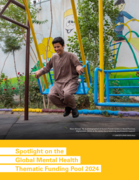
Promoting and protecting the mental health and psychosocial wellbeing of children, adolescents, and their caregivers remains undamental to achieving the Sustainable Development Goals (SDGs), with a direct contribution to SDG 3 (Good Health and Well- eing). In 2024, UNICEF accelerated the scale-up o...
Specific Objectives
• To increase the knowledge and awareness of personnel on chemical management.
• To educate the personnel on the potential adverse health effects of chemical exposure.
• To educate the personnel on the existing laws pertaining to handling of hazardous
chemicals.
• To...
A guide for civil society
Accessed: 30.01.2020
Healthcare Waste Management Toolkit for Global Fund Practitioners and Policy Makers: Part A
